


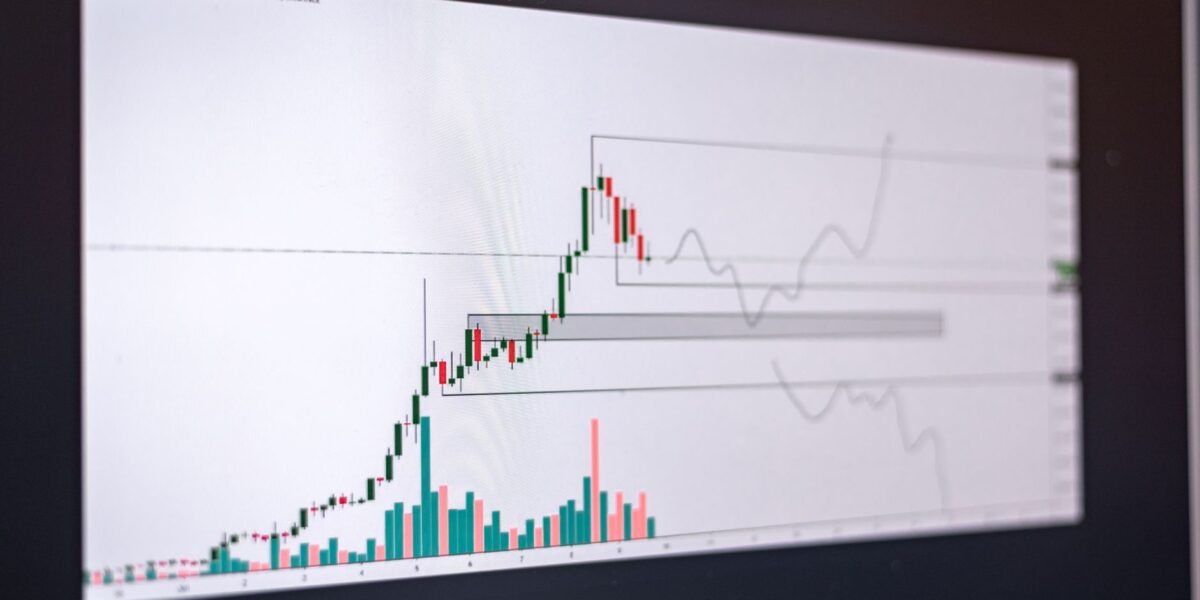
TL;DR: Positional trading is a medium-term strategy where traders hold stocks for weeks to months, aiming to profit from major price trends identified through technical and fundamental analysis. Success hinges on patience, risk management, and selecting quality stocks with strong upward or downward momentum.
Key Stats at a Glance:
- Nifty 50’s average annual return (2014-2023): Approximately 12%
- Typical positional trade holding period: 2 weeks to 3 months
- Average success rate for well-executed positional trades: 60-70%
- Required capital for a diversified positional portfolio: ₹1 lakh – ₹5 lakh
- Maximum drawdown tolerance for positional traders: 10-15%
What is Positional Trading?
Positional trading is a medium-term investment or trading strategy where an investor holds a position for a period ranging from several weeks to several months, aiming to capture a significant portion of a price trend. Unlike day trading, it filters out short-term market fluctuations, focusing on larger price movements.
How Does Positional Trading Differ from Other Strategies?
Positional trading strikes a balance between the short-term focus of day trading and the long-term buy-and-hold approach of investing. Day traders close all positions by the end of the day, while long-term investors might hold for years. Positional traders occupy the middle ground, seeking trends that unfold over weeks or months, making it ideal for those who cannot constantly monitor the market but want more active participation than traditional investing.
The Positional Trader’s Time Horizon
The defining characteristic of positional trading is its time frame. Positions are held long enough to benefit from significant market swings, typically a few weeks to three months, but not so long that they become subject to the very long-term economic cycles that affect pure investment strategies. This allows traders to capture major trends without the intense, minute-by-minute decision-making of day trading.
Risk vs. Reward in Positional Trades
Positional trading aims for substantial gains per trade, often targeting a risk-reward ratio of 1:2 or higher. While individual trades might be fewer than in shorter-term strategies, the potential profit per successful trade can be significantly larger. However, this also means that a single losing trade can have a more substantial impact on the portfolio, underscoring the importance of strict risk management.
Choosing Between Fundamental and Technical Analysis
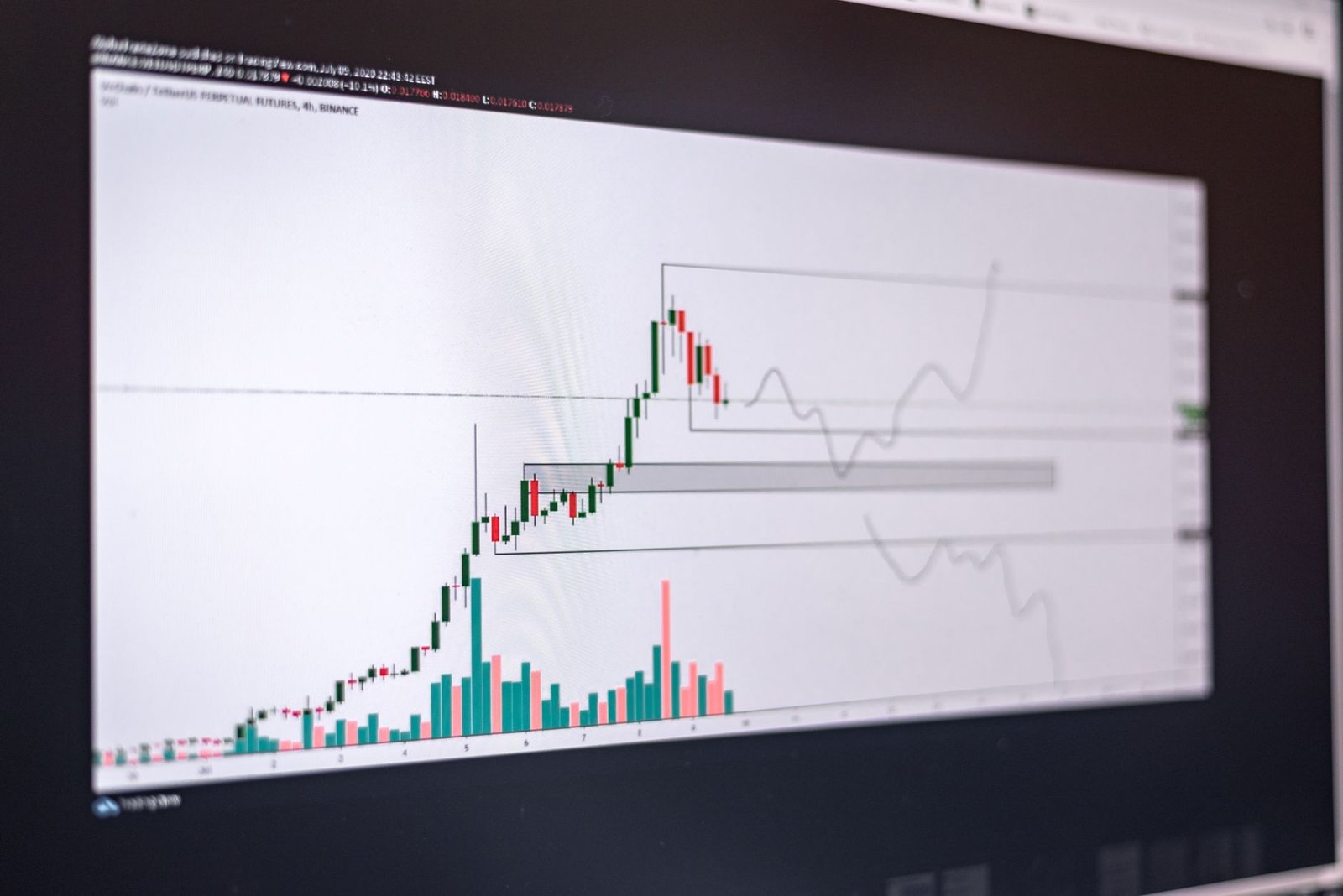
Effective positional trading often employs a blend of both fundamental and technical analysis. Fundamental analysis helps identify fundamentally sound companies with strong growth prospects or undervalued assets, while technical analysis is crucial for timing entries and exits, identifying trends, and setting stop-loss levels. For instance, a trader might use fundamental analysis to find a strong company and then use a TradingView indicator to pinpoint the optimal entry point based on chart patterns.
How to Implement a Positional Trading Strategy?
Implementing a successful positional trading strategy requires a structured approach, blending market knowledge with disciplined execution. Here’s a step-by-step guide:
- Develop a Trading Plan: Define your objectives, risk tolerance, capital allocation, and the specific criteria for entering and exiting trades. This plan should be written down and strictly adhered to.
- Select Stocks Wisely: Use a combination of fundamental analysis (e.g., P/E ratios, revenue growth, debt levels) and technical analysis to identify stocks exhibiting strong trends or potential reversal patterns. Focus on stocks with good liquidity on NSE or BSE.
- Identify Entry Points: Use technical indicators like moving averages, MACD, or RSI, along with chart patterns (e.g., flags, pennants, head and shoulders), to pinpoint optimal entry levels. Waiting for a breakout or pullback confirmation is key.
- Set Stop-Loss Orders: Determine your maximum acceptable loss for each trade and place a stop-loss order immediately after entering a position. This is non-negotiable for risk management. A common approach is using a percentage-based stop (e.g., 10-15% below entry) or a technical support level.
- Manage Your Positions: Once in a trade, monitor it regularly (daily or every few days). Consider trailing your stop-loss upwards as the price moves in your favour to lock in profits. Avoid emotional decisions based on minor price fluctuations.
- Determine Exit Points: Exit trades when your profit target is met, when a predetermined stop-loss level is hit, or when technical indicators signal a trend reversal. A well-defined exit strategy prevents premature exits or holding on too long.
- Review and Refine: After each trade, review its performance against your trading plan. Analyse what worked and what didn’t to continuously improve your strategy. Keeping a trading journal is highly recommended.
The Role of Technical Indicators
Technical indicators are the bedrock of timing for positional traders. Tools like moving averages help identify trend direction and strength, while oscillators like the Relative Strength Index (RSI) can signal overbought or oversold conditions, hinting at potential reversals. Many traders find custom TradingView indicators particularly useful for spotting these signals quickly.

Understanding Support and Resistance Levels
Support and resistance levels are critical for positional traders. Support is a price level where demand is strong enough to prevent a further fall in price, while resistance is a price level where supply is strong enough to prevent a further rise. Positional traders often look to enter long positions near support levels and short positions near resistance levels, or they anticipate trades when these levels are decisively broken.
Importance of Market Sentiment
While technical and fundamental factors are primary, market sentiment can significantly influence stock prices, especially over the medium term. Understanding whether the broader market is in a bullish or bearish phase, and how specific news or events are affecting investor psychology, can provide valuable context for positional trades. Tools that gauge market sentiment can be beneficial.
Risks Associated with Positional Trading
Positional trading, while potentially rewarding, carries inherent risks that every trader must understand and manage. Ignoring these can lead to significant financial losses.
Market Risk and Volatility
The primary risk is market risk – the possibility that the overall market or the specific stock will move against your position due to unforeseen economic events, political changes, or shifts in investor sentiment. High volatility can lead to rapid and substantial price swings, potentially triggering stop-losses prematurely or causing larger-than-expected losses.
The Risk of Trend Reversal
A major risk is that a developing trend reverses before your target profit is reached, or even before your stop-loss is hit. This can happen due to sudden news or a shift in underlying market dynamics. Positional traders must be vigilant for signs of trend exhaustion or reversal.

Liquidity Risk
While major Indian stocks on NSE and BSE are generally liquid, trading in smaller-cap stocks or during off-peak hours can expose traders to liquidity risk. This means difficulty in entering or exiting a position at the desired price, potentially widening the gap between buy and sell orders.
Overnight and Weekend Gaps
Since positional trades are held overnight and over weekends, traders are exposed to the risk of price gaps. Significant news released after market close or during a holiday can cause the stock’s price to open much higher or lower than its previous closing price, potentially leading to substantial losses if the gap moves against the trader’s position.
Frequently Asked Questions
What is the ideal holding period for positional trading?
The ideal holding period typically ranges from a few weeks to three months, allowing traders to capture significant price trends while avoiding the noise of short-term fluctuations.
Can beginners be positional traders?
Yes, beginners can engage in positional trading, but it requires thorough research, a well-defined strategy, and strict risk management. It’s generally considered less demanding than day trading but more active than long-term investing.
What is the minimum capital required for positional trading?
While you can start with smaller amounts, a practical minimum capital of ₹1 lakh to ₹5 lakh is often recommended to allow for diversification and effective risk management across multiple positions.
How do I select stocks for positional trading?
Select stocks exhibiting clear trends (uptrend or downtrend), strong fundamentals, good liquidity, and favourable chart patterns. Look for stocks that have recently broken out of consolidation or are showing signs of a sustained move.
Is positional trading profitable in India?
Positional trading can be highly profitable in India if executed with discipline, a robust strategy, and effective risk management. Success depends on the trader’s ability to identify and follow trends.
What is the difference between positional trading and swing trading?
Positional trading typically has a longer holding period (weeks to months) and aims for larger price moves. Swing trading focuses on shorter timeframes (days to weeks) to capture ‘swings’ in price, often involving more frequent trades.

Key Takeaways
- Positional trading focuses on capturing medium-term price trends, holding stocks for weeks to months.
- It requires a balance between technical and fundamental analysis for stock selection and timing.
- Strict stop-loss orders and disciplined risk management are paramount to protect capital.
- Patience is crucial; traders must resist the urge to exit trades based on short-term volatility.
- Understanding support and resistance levels, along with market sentiment, enhances trade execution.
- Overnight and weekend gaps are inherent risks that must be accounted for in the strategy.
- Continuous learning and refining the trading plan based on past performance are vital for long-term success.
Disclaimer: Investing in the stock market involves inherent risks. Please consult with a qualified financial advisor before making any investment decisions.






 Finovatives