



TL;DR: Protecting your portfolio during market crashes involves proactive diversification, hedging strategies, maintaining liquidity, and a disciplined emotional approach, focusing on long-term goals rather than short-term panic.
Key Stats at a Glance:
- Nifty 50 has experienced over 20 corrections of 10% or more since its inception.
- The average duration of a bear market (20% decline) in major economies is around 9 months.
- Gold has historically shown an inverse correlation with equities during significant downturns.
- Retail investor participation on NSE has grown by over 200% in the last five years.
- SEBI mandates risk-o-meter disclosures for mutual funds to inform investors.
What Happens During a Market Crash?
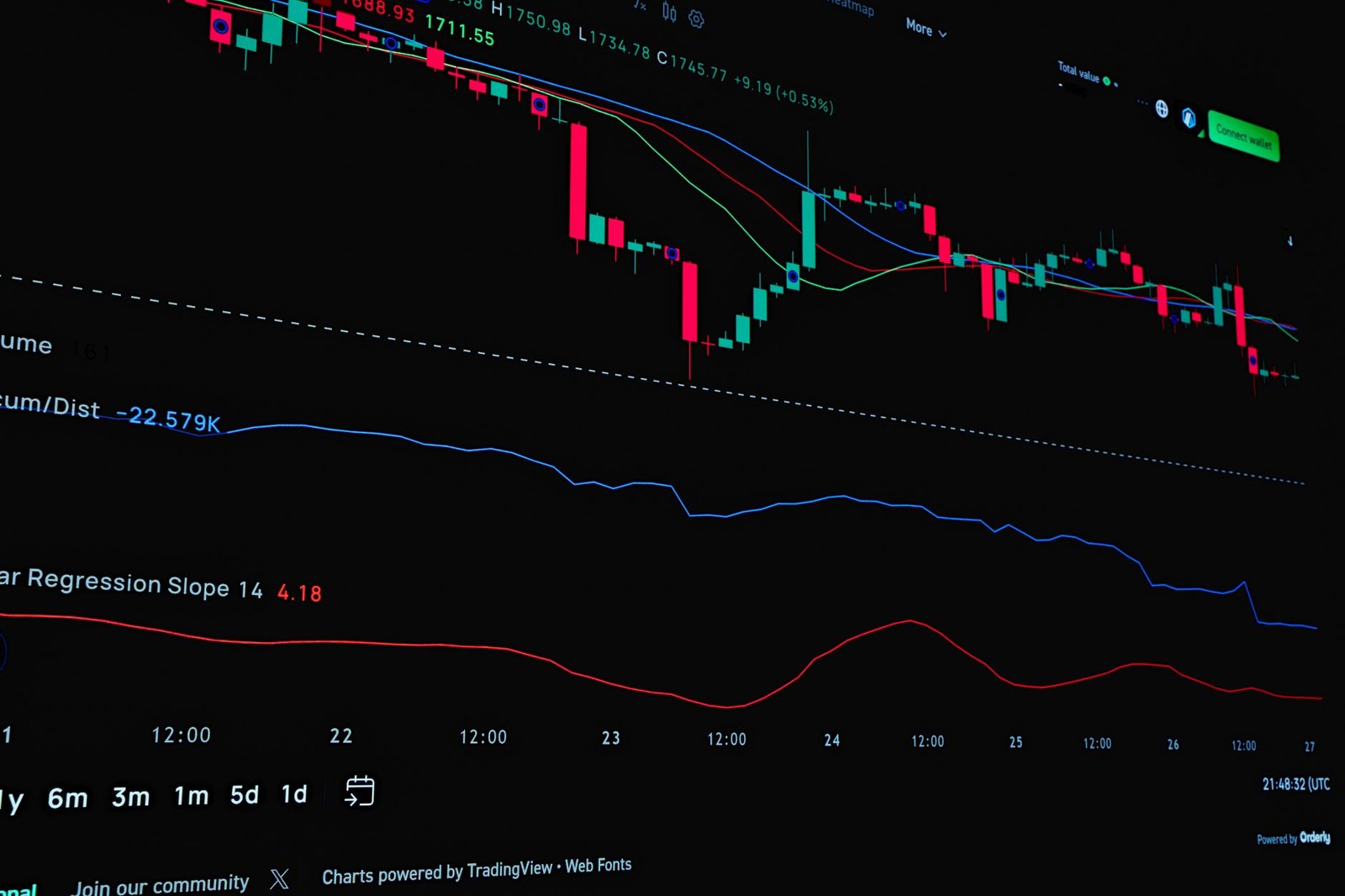
A market crash is a sudden and sharp decline in stock prices across a broad segment of the market, often driven by panic selling, economic uncertainty, or major geopolitical events.
During a crash, investor confidence plummets, leading to a cascading effect as fear overrides rational decision-making. This results in a rapid sell-off, pushing asset prices down significantly, often far below their intrinsic value. Liquidity can dry up, making it difficult to sell assets at desired prices, and volatility spikes dramatically.
The Psychology of Panic Selling
Fear is a powerful emotion that can lead even seasoned investors to make irrational decisions during a market downturn. Witnessing substantial paper losses can trigger panic, prompting individuals to sell their holdings hastily to ‘cut their losses,’ often at the worst possible moment.
Economic Triggers for Crashes
Several factors can precipitate a market crash, including macroeconomic shocks like unexpected inflation or recession, geopolitical crises such as wars or political instability, and financial system failures like a banking crisis. The COVID-19 pandemic in early 2020 serves as a stark reminder of how quickly global events can impact financial markets.

How Can Investors Protect Their Portfolio During a Crash?
Protecting your portfolio during a market crash requires a combination of strategic planning, diversification, and emotional discipline.
The core principle is to reduce overall risk exposure before and during the downturn, ensuring that your long-term financial goals remain achievable. This involves building resilience into your portfolio so it can weather the storm with minimal damage.
Diversification: The First Line of Defence
Diversification across different asset classes (equities, debt, gold, real estate) and within asset classes (different sectors, market caps, geographies) is crucial. This reduces the impact of any single asset or sector performing poorly. For instance, while equities might crash, a well-diversified portfolio might see other assets like gold or certain debt instruments provide stability.
Asset Allocation and Rebalancing
Your long-term asset allocation strategy should reflect your risk tolerance and financial goals. During a crash, a pre-determined rebalancing strategy can be invaluable. When equities fall significantly, you can systematically sell a portion of your more stable assets (like debt) to buy undervalued equities, effectively ‘buying low’. This disciplined approach prevents emotional decisions.
Maintain Adequate Liquidity
Having an emergency fund or sufficient liquid assets readily available is essential. This allows you to meet immediate financial needs without being forced to sell investments at a loss during a downturn. It also provides capital to invest opportunistically when markets are depressed.

Hedging Strategies
Sophisticated investors might employ hedging techniques to protect against significant downside risk. This can include using options (like buying put options), inverse ETFs, or investing in assets that tend to move inversely to the broader market. However, these strategies can be complex and carry their own risks, often best suited for experienced traders who understand the mechanics of using tools like a TradingView indicator for analysis.
Focus on Quality Investments
During volatile times, focus shifts to fundamentally strong companies with robust balance sheets, consistent earnings, and sustainable business models. These ‘blue-chip’ stocks often recover faster and are more resilient during downturns compared to speculative or highly leveraged companies.
How to Build a Crash-Resilient Portfolio
Building a portfolio that can withstand market shocks is a proactive process that requires thoughtful planning and disciplined execution.
- Define Your Risk Tolerance: Honestly assess how much loss you can stomach without jeopardizing your financial goals.
- Diversify Across Asset Classes: Allocate funds to equities, debt, gold, and potentially real estate or international equities based on your risk profile. The AMFI website provides resources on mutual fund categories for diversification.
- Diversify Within Equities: Invest across different sectors (e.g., IT, Pharma, FMCG, Banking) and market capitalizations (large-cap, mid-cap, small-cap).
- Incorporate Gold: Consider a small allocation to gold, either through ETFs or Sovereign Gold Bonds, as it often acts as a safe haven during uncertainty.
- Invest in Quality Debt Instruments: For a portion of your portfolio, opt for high-quality government bonds or corporate bonds with strong credit ratings.
- Consider Value Averaging or SIPs: Continue Systematic Investment Plans (SIPs) even during downturns to average your purchase cost. Value averaging involves investing larger sums when prices are low.
- Regularly Review and Rebalance: Periodically (e.g., semi-annually or annually) review your portfolio’s asset allocation and rebalance it back to your target percentages.
- Stay Informed, Not Emotional: Keep abreast of market news from reliable sources like NSE and BSE, but avoid making impulsive decisions based on short-term fluctuations.
What About Long-Term Investing During a Crash?
Long-term investors often find market crashes to be opportunities rather than just threats.
While the immediate impact can be distressing, a prolonged downturn presents a chance to acquire quality assets at significantly reduced prices. Historically, markets have always recovered from crashes, and those who invested during the lows have often reaped substantial rewards over the long run. The key is to have a long-term perspective, a well-diversified portfolio, and the conviction to stick to your investment plan, perhaps using a tool like the Trend Traders Tool to identify potential long-term value.
The Opportunity in Downturns
Market crashes can create a ‘buyer’s market’ where fundamentally sound stocks trade at attractive valuations. For investors with a long time horizon, these periods are ideal for accumulating wealth by investing in quality companies that have been unfairly punished by market sentiment.
The Importance of Patience
Patience is a virtue that is handsomely rewarded in the stock market, especially during crises. Resisting the urge to sell and instead focusing on the long-term growth potential of your investments can turn a perceived disaster into a significant opportunity.
Dollar-Cost Averaging (DCA)
Continuing your investments through methods like SIPs (a form of dollar-cost averaging) during a crash ensures you buy more units when prices are low and fewer units when prices are high, thereby averaging out your purchase cost over time and potentially enhancing long-term returns.

Frequently Asked Questions
What is the best asset to invest in during a market crash?
There isn’t a single ‘best’ asset. Diversification is key. While safe-haven assets like gold, government bonds, and cash can offer stability, quality equities bought at low prices can offer significant long-term growth.
Should I sell all my investments when the market crashes?
Generally, no. Selling during a panic often locks in losses. Unless your financial situation drastically changes or the investment’s fundamentals have deteriorated, it’s often better to hold or even buy more of quality assets.
How much cash should I keep during a market crash?
Maintain an emergency fund covering 3-6 months of living expenses. Beyond that, excessive cash can lose purchasing power to inflation. A small ‘dry powder’ reserve for opportunistic investing is advisable.
Can a market crash be predicted?
While specific timing is impossible, market cycles and warning signs (like high valuations or rising interest rates) can indicate increased risk. However, relying solely on prediction is dangerous; focus on preparedness.
How do I avoid emotional decisions during a crash?
Have a pre-defined investment plan and stick to it. Automate investments through SIPs. Limit exposure to market news and focus on your long-term financial goals rather than short-term noise.
Is it a good time to buy stocks during a crash?
For long-term investors with a high-risk tolerance, yes. Crashes offer opportunities to buy fundamentally strong stocks at discounted prices, potentially leading to significant future gains. However, one must be prepared for continued volatility.

Key Takeaways
- Diversification across asset classes is the most effective strategy for mitigating crash risk.
- Maintain adequate liquidity to meet short-term needs and invest opportunistically.
- Focus on fundamentally strong companies and quality debt instruments.
- Long-term investors can view crashes as opportunities to acquire assets at lower prices.
- Emotional discipline and sticking to a pre-defined plan are critical.
- Hedging strategies can offer protection but require expertise and carry their own risks.
- Regular portfolio review and rebalancing ensure alignment with original goals.
Investing in the stock market involves risks. Past performance is not indicative of future results. Consult with a SEBI-registered investment advisor before making any investment decisions.






 Finovatives