



TL;DR: Safeguard your Indian stock portfolio during market crashes by diversifying assets, maintaining a cash reserve, rebalancing holdings, using stop-loss orders, and avoiding emotional decisions, focusing on long-term wealth preservation.
Key Stats at a Glance:
- Nifty 50 experienced significant drawdowns exceeding 30% during major historical corrections.
- Indian equity markets have witnessed over 10 major corrections of 20% or more since 2000.
- A typical retail investor portfolio allocation might be 60-70% equities, requiring adjustment during downturns.
- Holding 10-20% in cash or liquid assets can provide crucial buying power and safety during crashes.
- SEBI mandates specific disclosures and risk-profiling for investors to ensure suitability.
What is a Market Crash?
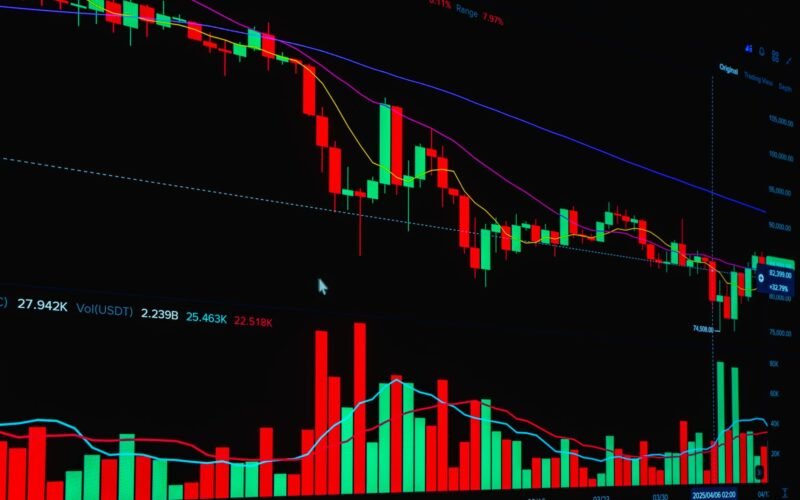
A market crash is a sudden and steep decline in stock prices across a significant portion of the market, often characterised by panic selling and extreme volatility, typically defined as a drop of 10% or more within a single trading day or a rapid decline over a few days.
Market crashes, while alarming, are a recurring feature of financial markets. Understanding their nature, causes, and historical context is the first step towards effective portfolio protection. These events can be triggered by a variety of factors, including economic recessions, geopolitical crises, asset bubbles bursting, or unexpected global events, as witnessed during the COVID-19 pandemic in early 2020 when indices like the Nifty 50 saw sharp declines.
The speed and severity of a crash can leave even seasoned investors feeling vulnerable. However, by adopting a proactive and disciplined approach, investors can mitigate potential losses and even position themselves to benefit from the subsequent recovery.
How to Protect Your Portfolio During a Market Crash?
Protecting your portfolio during a market crash involves a combination of proactive strategies implemented before a downturn and reactive measures taken during the event itself.
The core principle is to reduce risk exposure while preserving capital. This can be achieved through diversification across asset classes, maintaining adequate liquidity, and utilising risk management tools. It also crucially involves managing psychological responses to market volatility, as fear-driven decisions often lead to greater losses. The goal is not to perfectly time the market or avoid all losses, but to minimise downside risk and ensure long-term financial goals remain achievable.

Diversification: Your First Line of Defence
Diversification is the practice of spreading investments across various asset classes, industries, and geographies to reduce unsystematic risk. The logic is simple: when one asset class or sector is performing poorly, others may perform well, balancing out the overall portfolio return.
For Indian investors, this means not just holding different stocks but also considering other asset classes like bonds, gold, real estate, and even international equities. The SEBI mandates that investment advisors consider a client’s risk profile, and diversification is a key component of a well-rounded investment plan. A well-diversified portfolio is less susceptible to the dramatic swings that can occur when a single sector or stock faces a crisis.
Maintain a Cash Reserve
Holding a portion of your portfolio in cash or highly liquid instruments like money market funds or short-term fixed deposits provides a crucial safety net during market downturns. This ‘dry powder’ serves two primary purposes: it cushions your portfolio against steep declines and provides capital to take advantage of buying opportunities when asset prices become attractive.
A common recommendation is to maintain 10-20% of your portfolio in cash, depending on your risk tolerance and proximity to financial goals. This reserve acts as a psychological buffer, reducing the urge to sell investments at a loss during panic. It also allows for opportunistic buying when market sentiment is excessively negative.
Rebalancing Your Portfolio
Portfolio rebalancing is the process of adjusting your investment mix back to its target allocation. Over time, market movements can cause certain asset classes to grow disproportionately, shifting your portfolio away from its intended risk level. For instance, if equities rally significantly, they might represent a larger percentage of your portfolio than initially planned, increasing your overall risk.
During a market crash, rebalancing involves selling assets that have held up relatively well (or fallen less) and buying those that have declined sharply, provided their long-term fundamentals remain intact. This disciplined approach ensures you buy low and sell high, effectively locking in gains and reinvesting at depressed prices. Tools like the Trend Traders Tool can help identify such opportunities based on technical indicators.
Utilise Stop-Loss Orders
Stop-loss orders are a vital risk management tool that automatically triggers the sale of a security when it reaches a predetermined price level. This mechanism helps limit potential losses on a specific investment. For example, if you buy a stock at ₹100 and set a stop-loss at ₹90, your broker will automatically sell it if the price falls to ₹90, capping your loss at 10% per share.
While stop-losses can prevent catastrophic losses, it’s important to set them at logical levels based on technical analysis or a predetermined risk tolerance, rather than arbitrary figures. Unexpected volatility can sometimes trigger a stop-loss prematurely, only for the price to rebound. Therefore, understanding the nuances of stop-loss placement is critical.

Avoid Emotional Decisions
Market crashes often trigger fear and panic, leading investors to make irrational decisions, such as selling everything at the bottom or chasing falling stocks. These emotional responses are detrimental to long-term investment success. It is crucial to have a pre-defined investment plan and stick to it, even when markets are turbulent.
Remind yourself of your long-term financial goals and the reasons you invested in the first place. Consulting with a financial advisor can provide an objective perspective and help you stay disciplined. Remember, history shows that markets eventually recover and grow over the long term.
Proactive Strategies for Resilience
Building a resilient portfolio before a crash occurs is far more effective than trying to reactively salvage one during a crisis. Proactive strategies focus on structural elements of your investment approach.
These strategies include thorough research, understanding the underlying value of your investments, and building a robust asset allocation model. They require discipline and foresight, but the payoff is a portfolio that can weather storms with significantly reduced impact.
Invest in Quality and Value
During normal market conditions, focus on investing in fundamentally strong companies with solid balance sheets, sustainable business models, and experienced management. These ‘quality’ companies are often better equipped to navigate economic downturns and market volatility than their weaker counterparts.
Value investing, which involves buying stocks trading below their intrinsic value, can also offer a margin of safety. When the market corrects, these undervalued companies may fall less or recover more quickly due to their inherent worth. Researching companies listed on NSE and BSE thoroughly is paramount.
Understand Your Risk Tolerance
Before investing, and certainly before a potential crash, it is essential to accurately assess your risk tolerance. This involves understanding how much potential loss you can emotionally and financially withstand without derailing your financial goals. Factors like age, income stability, financial obligations, and investment horizon all play a role.
A higher risk tolerance might allow for a greater allocation to equities, while a lower tolerance necessitates a more conservative approach with a larger proportion in debt or stable assets. SEBI’s risk profiling questionnaires are designed to help investors and advisors determine this.

Consider Defensive Sectors
Certain sectors tend to be more resilient during economic downturns. These typically include essential goods and services that people continue to consume regardless of economic conditions, such as healthcare, utilities, and consumer staples. Investing a portion of your portfolio in companies within these defensive sectors can provide stability during a market crash.
While these sectors may not offer the explosive growth of cyclical industries, their relative stability can significantly cushion the impact of a broad market decline on your overall portfolio returns.
Reactive Strategies During a Crash
Once a market crash is underway, the focus shifts from prevention to damage control and opportunistic repositioning. Reactive strategies require a clear head and adherence to your pre-defined plan.
These actions are often difficult due to the prevailing fear and uncertainty but are critical for preserving capital and setting the stage for future recovery. It’s about making calculated moves rather than succumbing to panic.
Review and Adjust Holdings
During a crash, it’s crucial to review your holdings to identify any investments that may have been fundamentally impaired beyond recovery. While the temptation is to sell everything, a more prudent approach is to differentiate between temporary overreactions to market sentiment and genuine deterioration of a company’s prospects.
Sell positions in companies whose long-term viability is now questionable. However, for fundamentally sound companies that have experienced significant price drops due to the overall market downturn, this could be an opportunity to average down your cost if you have conviction in their recovery. This requires careful analysis, possibly aided by sophisticated TradingView indicators available on platforms like Finovatives.
Focus on Liquidity
As market volatility increases, maintaining liquidity becomes even more critical. Ensure you have enough cash available to meet immediate financial needs without being forced to sell investments at distressed prices. This might involve shifting some funds from volatile assets to more liquid ones temporarily.
The cash reserve discussed earlier becomes invaluable here, allowing you to avoid forced selling and potentially capitalise on buying opportunities.

Utilise Technical Indicators
Technical analysis tools and indicators can be helpful in navigating volatile markets. Indicators like Moving Averages, RSI (Relative Strength Index), and MACD (Moving Average Convergence Divergence) can help identify potential oversold or overbought conditions, support and resistance levels, and shifts in momentum.
For instance, an extremely low RSI reading might suggest a stock is oversold and could be due for a short-term bounce, while a bearish divergence on the MACD could signal that downward momentum is weakening. Understanding these tools, perhaps through a specialised TradingView indicator, can inform decisions about when to add to positions or when to exercise caution.
Stay Informed, Not Overwhelmed
Keep abreast of market news and economic developments, but avoid constantly monitoring prices or being swayed by sensational headlines. Excessive exposure to negative news can amplify fear and lead to poor decision-making. Focus on reliable sources of information, such as reports from financial institutions, regulatory bodies like SEBI, and reputable financial news outlets.
A balanced approach to information consumption helps maintain a rational perspective amidst the noise of a market crash.
How to Build a Crash-Resistant Portfolio
- Define Your Financial Goals: Clearly outline your short-term and long-term financial objectives. This will guide your investment strategy and risk tolerance.
- Assess Your Risk Tolerance: Honestly evaluate how much volatility and potential loss you can comfortably handle. This is crucial for asset allocation.
- Diversify Across Asset Classes: Spread your investments among equities, debt, gold, real estate, and potentially international assets. Do not put all your eggs in one basket.
- Select Quality Investments: Choose fundamentally strong companies with good management and sustainable business models for your equity portion. For debt, opt for reputable issuers and appropriate tenors.
- Maintain Adequate Liquidity: Keep 10-20% of your portfolio in cash or liquid equivalents to meet emergencies and seize opportunities.
- Understand Risk Management Tools: Learn to use stop-loss orders and consider other hedging strategies if appropriate for your portfolio size and complexity.
- Regularly Rebalance: Periodically review your portfolio (e.g., annually or semi-annually) and rebalance it back to your target asset allocation.
- Seek Professional Advice: Consult with a SEBI-registered investment advisor to create a personalised plan tailored to your needs and circumstances.

Frequently Asked Questions
What is the most important strategy during a market crash?
The most important strategy is to avoid making emotional decisions and stick to your pre-defined investment plan, focusing on long-term goals rather than short-term panic.
Should I sell all my stocks during a crash?
Generally, no. Selling all stocks at the bottom often locks in maximum losses. It’s better to review holdings for fundamental soundness and consider selling only those with impaired long-term prospects.
How much cash should I keep in my portfolio?
A common recommendation is to keep 10-20% of your portfolio in cash or highly liquid instruments. This provides safety and buying power during downturns.
Can diversification completely prevent losses during a crash?
Diversification significantly reduces risk but cannot entirely eliminate losses, especially during severe, broad-based market crashes. However, it helps mitigate the extent of the damage.
When is the best time to buy during a market crash?
The best time to buy is when prices are significantly depressed due to panic selling, but the underlying assets still possess strong long-term fundamental value. This often requires courage and conviction.
How do stop-loss orders work in Indian markets?
In Indian markets, stop-loss orders are placed with your broker. When the market price reaches your stop-loss price, it converts into a market order to sell, aiming to limit your losses.
Key Takeaways
- Market crashes are inevitable but manageable with preparedness.
- Diversification across asset classes is a fundamental risk mitigation tool.
- Maintaining a cash reserve provides crucial liquidity and opportunistic buying power.
- Rebalancing helps maintain target asset allocation and capitalises on market swings.
- Stop-loss orders are vital for limiting downside on individual positions.
- Emotional discipline is paramount; avoid panic selling.
- Focus on long-term investment goals and fundamentally sound assets.
Investing in the stock market involves risk, including the potential loss of principal. Past performance is not indicative of future results.





 Finovatives