

TL;DR: Fear and greed are primary drivers of irrational trading decisions; mastering them involves recognising their influence, setting clear rules, diversifying, and focusing on long-term goals rather than short-term market noise.
Key Stats at a Glance:
- The VIX (India Volatility Index) often surges >30% during periods of high fear.
- Studies show behavioural biases account for up to 20% of market returns.
- Over 80% of retail traders lose money in their first year, often due to emotional trading.
- Nifty 50 has historically seen drawdowns of over 15% in correction phases.
- A 2023 survey indicated over 60% of Indian investors admit to making impulsive decisions driven by market sentiment.
What is Market Sentiment and the Fear and Greed Index?
Market sentiment refers to the general attitude of investors towards a particular security or the market as a whole, often driven by emotional responses like fear or greed. The Fear and Greed Index is a tool that attempts to quantify this sentiment, typically by analysing various market indicators to gauge whether investors are overly fearful (suggesting a potential buying opportunity) or excessively greedy (suggesting a potential market top).
Understanding Fear in the Stock Market
Fear is a potent emotion that can lead investors to make impulsive decisions, primarily driven by the instinct to protect capital. In the stock market, fear manifests as panic selling during downturns, a reluctance to enter the market during uncertain times, or an overemphasis on negative news. This emotional response can cause investors to sell good stocks at low prices, missing out on subsequent recoveries.
The Psychology of Panic Selling
Panic selling is often triggered by a sudden, sharp decline in stock prices or adverse macroeconomic news. Investors, fearing further losses, rush to exit their positions without a rational assessment of the stock’s fundamental value or the likelihood of recovery. This herd mentality amplifies the sell-off, creating opportunities for disciplined investors.
Identifying Fear Signals
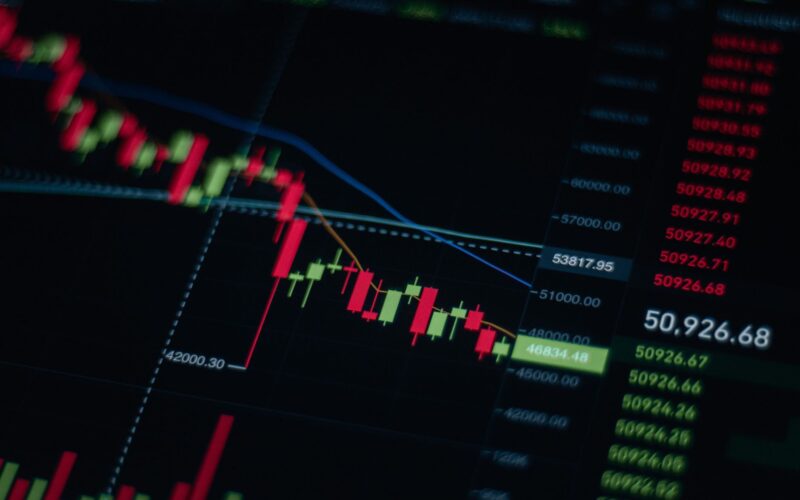
Recognising fear requires observing market behaviour and news flow. Indicators include sharp price drops across multiple sectors, increased trading volumes on sell-offs, negative media headlines dominating financial news, and a spike in the VIX (India Volatility Index). A falling market accompanied by widespread negative sentiment often signals peak fear.
What is Greed in the Stock Market?
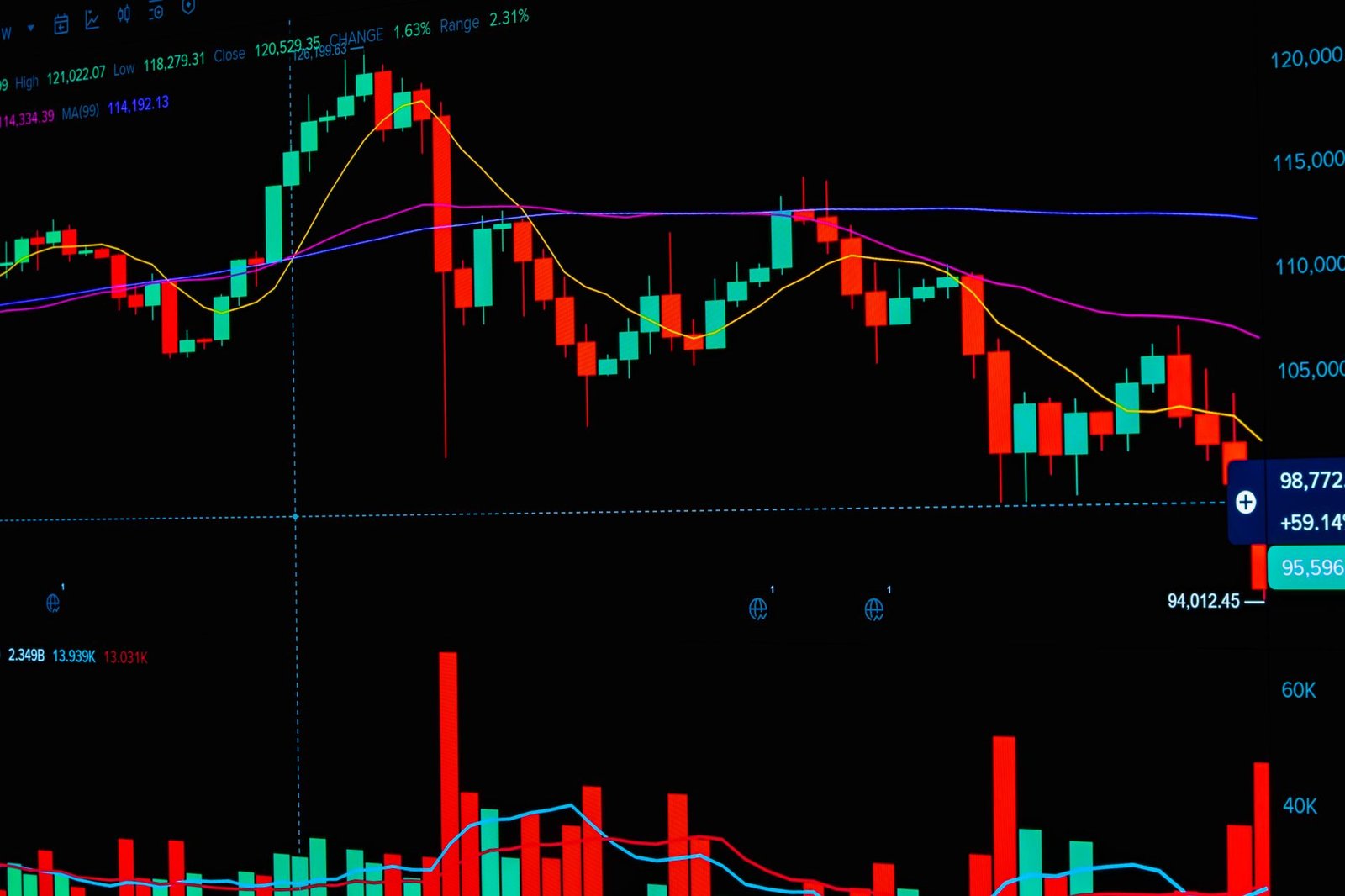
Greed, conversely, is the desire for excessive profits, often leading investors to take on undue risk or chase speculative assets. In a rising market, greed can make investors overconfident, causing them to ignore warning signs, buy at inflated prices, or hold onto assets for too long, hoping for even greater returns. It’s the driving force behind market bubbles.
The Allure of FOMO (Fear of Missing Out)
FOMO is a powerful manifestation of greed, particularly prevalent in rapidly rising markets or during speculative frenzies. Investors see others making substantial profits and feel compelled to jump in, often disregarding their investment strategy or risk tolerance. This can lead to buying overvalued stocks at their peak, just before a correction.
Recognising Greed Signals
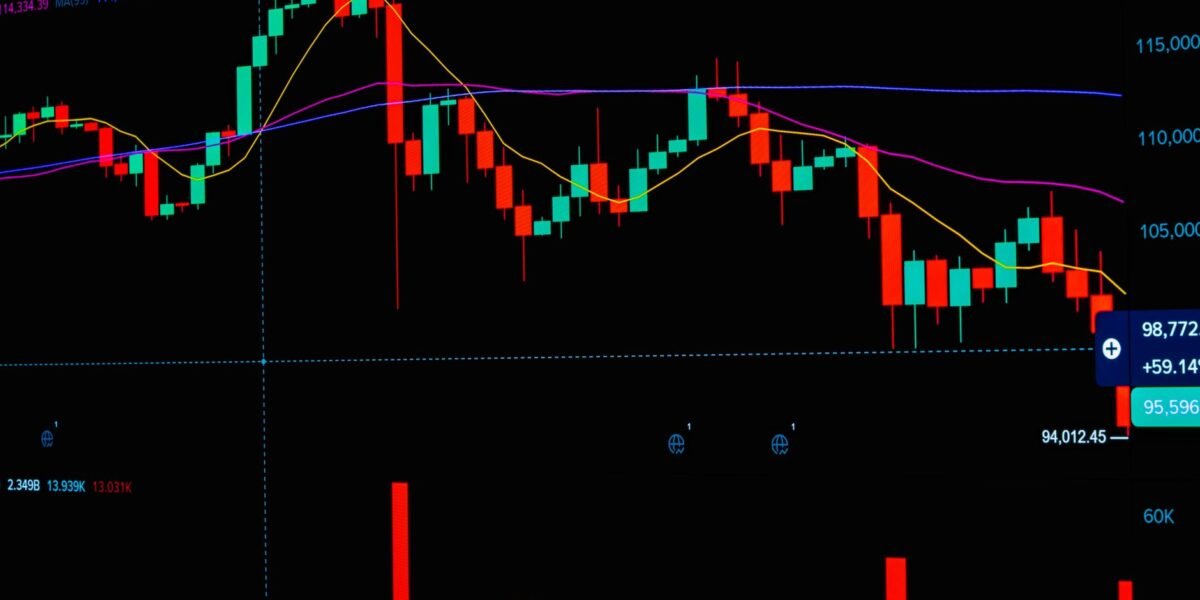
Greed is evident when market rallies become irrational, with prices detached from fundamental values. Signs include speculative bubbles, excessive inflows into highly volatile assets, a proliferation of ‘get rich quick’ schemes, and a general market sentiment that dismisses risks. Media coverage often shifts from cautious optimism to exuberant forecasts.
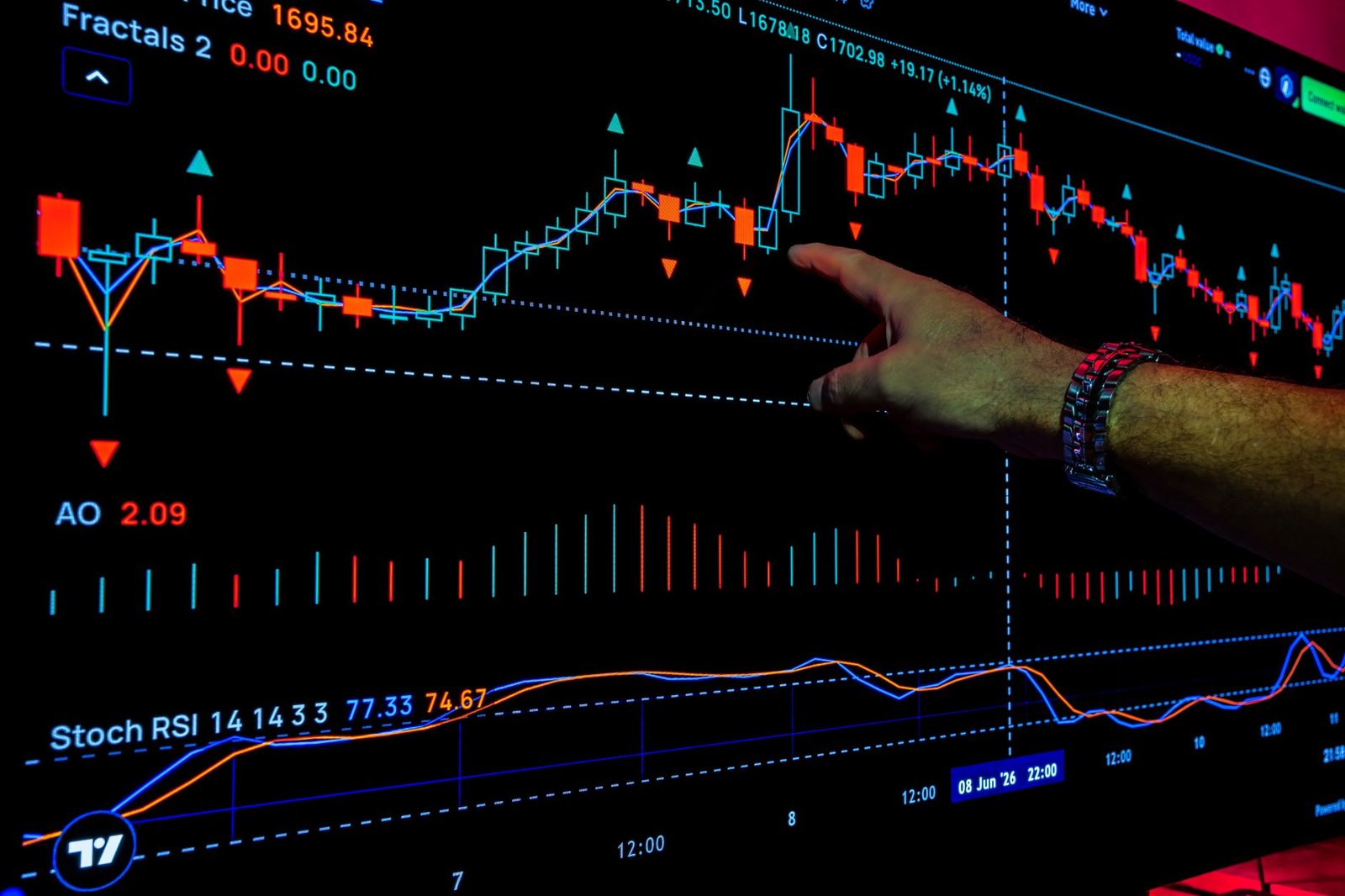
How to Manage Fear and Greed in Trading
Managing these powerful emotions is essential for sustainable trading success. It requires a combination of self-awareness, discipline, and a robust trading plan. By implementing specific strategies, traders can mitigate the impact of emotional decision-making and improve their outcomes.
Develop a Trading Plan
A well-defined trading plan acts as a mental anchor. It should outline your investment goals, risk tolerance, entry and exit criteria, position sizing rules, and stop-loss levels. Sticking to this plan, even when emotions run high, prevents impulsive actions.
Practice Diversification
Diversifying your portfolio across different asset classes, sectors, and geographies can cushion the impact of volatility in any single investment. When one part of your portfolio is underperforming due to fear or greed-driven market movements, other parts may provide stability.
Set Realistic Expectations
Understand that the stock market involves risk and that losses are a part of the process. Avoid the temptation to chase unrealistic returns. Focus on consistent, steady growth aligned with your financial goals and risk profile, rather than seeking overnight riches.
Automate Your Trading Decisions
Using tools like TradingView indicators can help automate certain aspects of your trading. For instance, setting up alerts based on predefined technical levels or using automated order execution for stop-losses and profit-taking can remove emotional decision-making at critical junctures. Consider exploring a sophisticated TradingView indicator like the Trend Traders Tool to aid in identifying trends objectively.

Focus on Long-Term Goals
Remind yourself of your overarching financial objectives. Whether it’s retirement planning, buying a home, or funding education, keeping the long-term vision in sight can help you weather short-term market fluctuations driven by fear or greed.
Take Breaks and Seek Perspective
Sometimes, the best action is no action. If you find yourself overly emotional, step away from the trading screen. Talk to a mentor, a fellow trader, or a financial advisor. Gaining an objective perspective can help you regain control.
How to Implement a Fear-Proof Trading Strategy
- Define your risk tolerance: Honestly assess how much loss you can psychologically and financially withstand.
- Create a detailed trading plan: Document your strategy, including entry/exit points, stop-loss orders, and profit targets.
- Backtest your strategy: Use historical data to ensure your plan is robust and has a proven track record.
- Start with small positions: Especially when starting or testing a new strategy, limit your capital at risk to minimise emotional impact.
- Use stop-loss orders religiously: These pre-set orders automatically exit a trade if it moves against you, limiting potential losses.
- Set profit-taking targets: Define when you will exit a winning trade to lock in profits and avoid greed from keeping you in too long.
- Review and adapt: Regularly review your trading journal to identify emotional patterns and adjust your strategy accordingly, but avoid frequent changes based on short-term market swings.
- Stay informed but avoid noise: Follow reliable financial news sources (like NSE and BSE announcements) but tune out speculative rumours and social media hype.
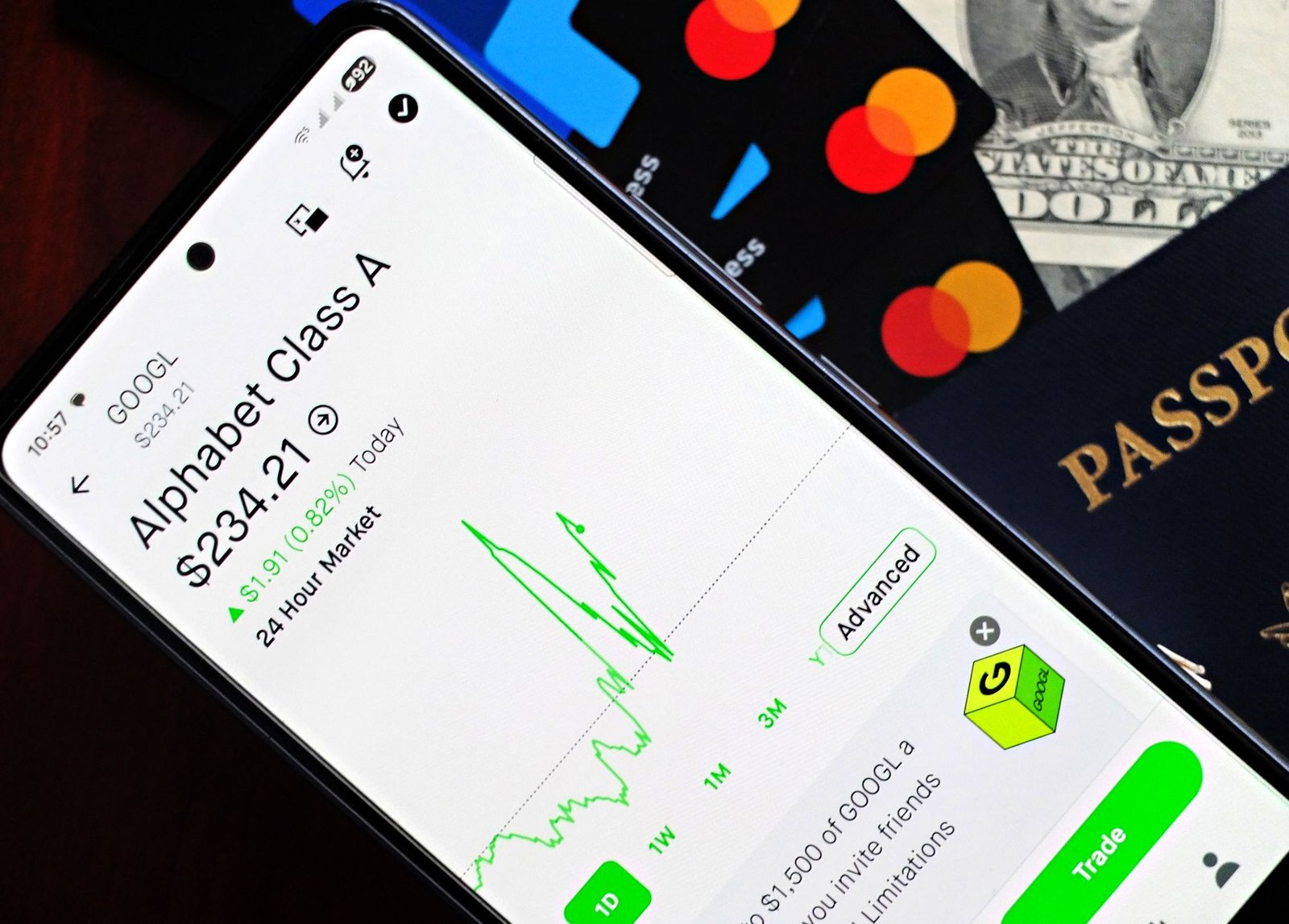
The Role of Behavioral Finance
Behavioral finance is the study of how psychological influences affect the decision-making of investors and financial professionals. It acknowledges that humans are not always rational economic actors and are prone to cognitive biases and emotional responses. Understanding these biases, such as confirmation bias (seeking information that confirms existing beliefs) and anchoring (relying too heavily on the first piece of information encountered), is a key step in overcoming them.
Overcoming Cognitive Biases
Recognising that you are susceptible to biases is the first step. Actively challenge your assumptions. If you bought a stock, seek out information that contradicts your decision. When analysing a potential investment, consider the ‘bear’ case as thoroughly as the ‘bull’ case. This critical self-reflection helps neutralise the impact of biases.
The Importance of a Trading Journal
A trading journal is an indispensable tool for understanding your emotional patterns. By recording every trade, along with your rationale, emotional state, and the outcome, you create a personal database of your behaviour. Reviewing this journal helps identify when fear or greed led to poor decisions, allowing you to correct course.

Frequently Asked Questions
What is the best way to combat fear in the stock market?
The best way is to have a pre-defined trading plan with strict stop-loss orders and to focus on the long-term investment strategy rather than short-term price fluctuations. Diversification also helps reduce the impact of any single fear-driven sell-off.
How can I avoid letting greed influence my trading decisions?
Set realistic profit targets beforehand and stick to them. Avoid chasing ‘hot’ tips or excessively volatile stocks without thorough research. Regularly review your portfolio against your initial investment thesis to check if greed is making you overlook fundamentals.
Is it possible to completely eliminate emotions from trading?
No, it’s virtually impossible to completely eliminate emotions. The goal is to recognise their influence, minimise their impact through disciplined strategies, and ensure they don’t lead to irrational decisions. Awareness is key.
When should I consider seeking professional financial advice?
Seek advice when you feel overwhelmed by market volatility, struggle to manage your emotions, or are unsure about your investment strategy. A SEBI-registered advisor can provide objective guidance tailored to your financial goals.
How does the VIX relate to fear and greed?
The VIX, or India Volatility Index, generally rises when fear increases (market uncertainty and potential for sharp declines) and falls when greed dominates (bullish sentiment and stability). It’s often referred to as the ‘fear gauge’.
Key Takeaways
- Fear leads to panic selling; greed leads to excessive risk-taking.
- A structured trading plan is your best defence against emotional decisions.
- Recognise behavioural biases like FOMO and actively counter them.
- Diversification helps mitigate losses during emotional market swings.
- Automating certain trading aspects and using tools can reduce impulse decisions.
- A trading journal is crucial for identifying and correcting emotional trading patterns.
- Focus on long-term goals to stay grounded during short-term market noise.
Investing in the stock market involves inherent risks, and past performance is not indicative of future results. Always conduct your own research or consult with a qualified financial advisor before making any investment decisions.




 Finovatives