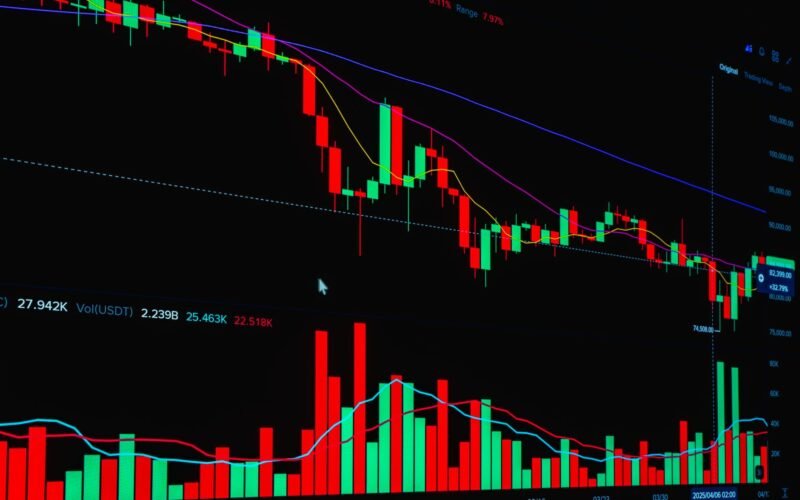


TL;DR: The top intraday trading strategies for the Indian stock market focus on leveraging short-term price movements using techniques like scalping, momentum trading, and range trading, often supported by technical indicators and strict risk management.
Key Stats at a Glance:
- NSE average daily turnover: ₹1.2 Lakh Crore (as of recent quarters)
- BSE average daily turnover: ₹15,000 Crore (as of recent quarters)
- Volatility in Nifty 50: Can range from 1-3% on active trading days
- Typical stop-loss adherence by successful intraday traders: >95% of trades
- Average return target for a single successful intraday trade: 1-2% of capital deployed
What are the best intraday trading strategies?
The best intraday trading strategies for the Indian stock market are those that align with a trader’s risk tolerance, market understanding, and available time, with scalping, momentum trading, and range trading being highly popular and effective.
Understanding Intraday Trading in India
Intraday trading, also known as day trading, involves buying and selling financial instruments within the same trading day, aiming to profit from small price fluctuations. In the Indian context, this primarily applies to stocks listed on the National Stock Exchange (NSE) and Bombay Stock Exchange (BSE), as well as futures and options contracts that expire within the day. The objective is to close all positions before the market closes at 3:30 PM IST, thereby avoiding overnight risk and margin implications. Successful intraday traders meticulously analyse charts, news, and market sentiment to make quick, informed decisions. The high liquidity in popular Indian stocks and indices like Nifty 50 and Bank Nifty makes them ideal for intraday strategies.
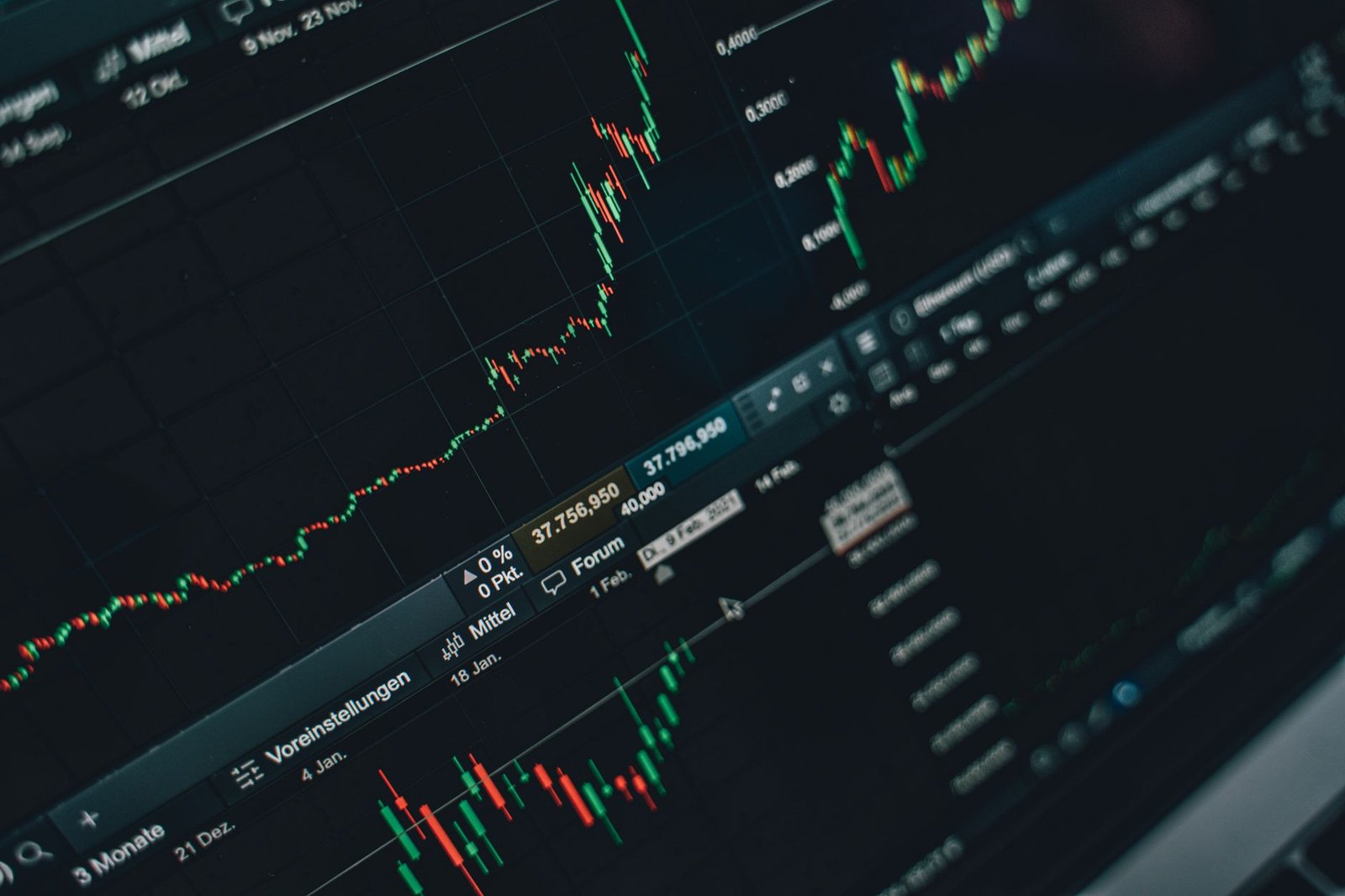
The key to intraday trading lies in speed, discipline, and a clear strategy. Traders typically use leverage to magnify potential profits (and losses), making risk management paramount. SEBI regulations provide frameworks for margin trading and leverage, which traders must understand thoroughly. The Indian market, with its unique trading hours and specific characteristics, requires strategies tailored to its dynamics.
The Appeal of Intraday Trading
The primary allure of intraday trading is the potential for quick profits. Unlike long-term investing, where capital is locked for months or years, intraday trading allows traders to book gains (or losses) within hours. This immediacy can be exciting and financially rewarding for those who master the art. Furthermore, avoiding overnight risk means traders are not exposed to unpredictable global events or news that can dramatically impact stock prices between market close and open. This control over risk exposure is a significant draw, especially in volatile markets.
Regulatory Landscape in India
The Securities and Exchange Board of India (SEBI) plays a crucial role in regulating the Indian stock market, including intraday trading. SEBI mandates rules regarding leverage, margin trading, and disclosure requirements to protect retail investors. For instance, SEBI has tightened rules on leverage offered by brokers to curb excessive risk-taking. Understanding these regulations is vital for any trader operating in India to ensure compliance and avoid penalties. Brokers must adhere to SEBI’s guidelines for client fund segregation and risk management, providing a safer trading environment.
Popular Intraday Trading Strategies
Several strategies have proven effective for intraday traders in the Indian market, each with its own methodology and risk profile. Choosing the right strategy often depends on market conditions, the trader’s personality, and their ability to execute trades flawlessly.
Scalping: The Art of Small Wins
Scalping is an aggressive intraday strategy where traders aim to make numerous small profits from tiny price changes throughout the day. Scalpers typically hold positions for seconds to a few minutes, relying on high volume and tight spreads. They often focus on highly liquid stocks or index futures and options. The success of scalping hinges on rapid execution, low transaction costs, and disciplined exit strategies to lock in small gains before they reverse. A small loss can quickly wipe out many small wins, so strict stop-losses are essential.
Momentum Trading: Riding the Trend
Momentum trading involves identifying stocks that are exhibiting a strong upward or downward trend and jumping aboard to ride the wave. Momentum traders buy stocks that are rising rapidly and sell (or short sell) stocks that are falling sharply. They typically use technical indicators like the Moving Average Convergence Divergence (MACD), Relative Strength Index (RSI), or volume analysis to confirm the strength and direction of the trend. The key is to enter the trade as the momentum builds and exit before the trend shows signs of reversal.
Range Trading: Exploiting Support and Resistance
Range trading involves identifying stocks that are trading within a defined price channel, characterised by clear support and resistance levels. Traders employing this strategy buy near the support level and sell near the resistance level. The assumption is that the stock price will bounce between these two levels. This strategy works best in sideways or consolidating markets where there isn’t a strong directional trend. Technical indicators like Bollinger Bands or the Average True Range (ATR) can help define the trading range and identify potential entry and exit points.
Breakout Trading: Capitalizing on Volatility
Breakout trading aims to profit from the sharp price movement that occurs when a stock’s price moves beyond a predetermined support or resistance level. Traders look for stocks consolidating in a tight range and place orders to buy when the price breaks above resistance or to short sell when it breaks below support. This strategy relies on the momentum that often follows a breakout. It’s crucial to differentiate between a true breakout and a false one (a ‘fakeout’), which can trap traders. Volume confirmation is often used to validate breakouts.
How to Implement Intraday Trading Strategies Effectively
Successfully implementing any intraday trading strategy requires a combination of technical analysis, risk management, and psychological discipline. It’s not just about picking the right stock or indicator; it’s about executing a well-defined plan consistently.
- Choose a Strategy: Select an intraday strategy (e.g., scalping, momentum, range, breakout) that suits your risk appetite and trading style.
- Market Research: Identify highly liquid stocks or index futures on NSE/BSE that exhibit characteristics suitable for your chosen strategy. Focus on stocks with good average daily volumes.
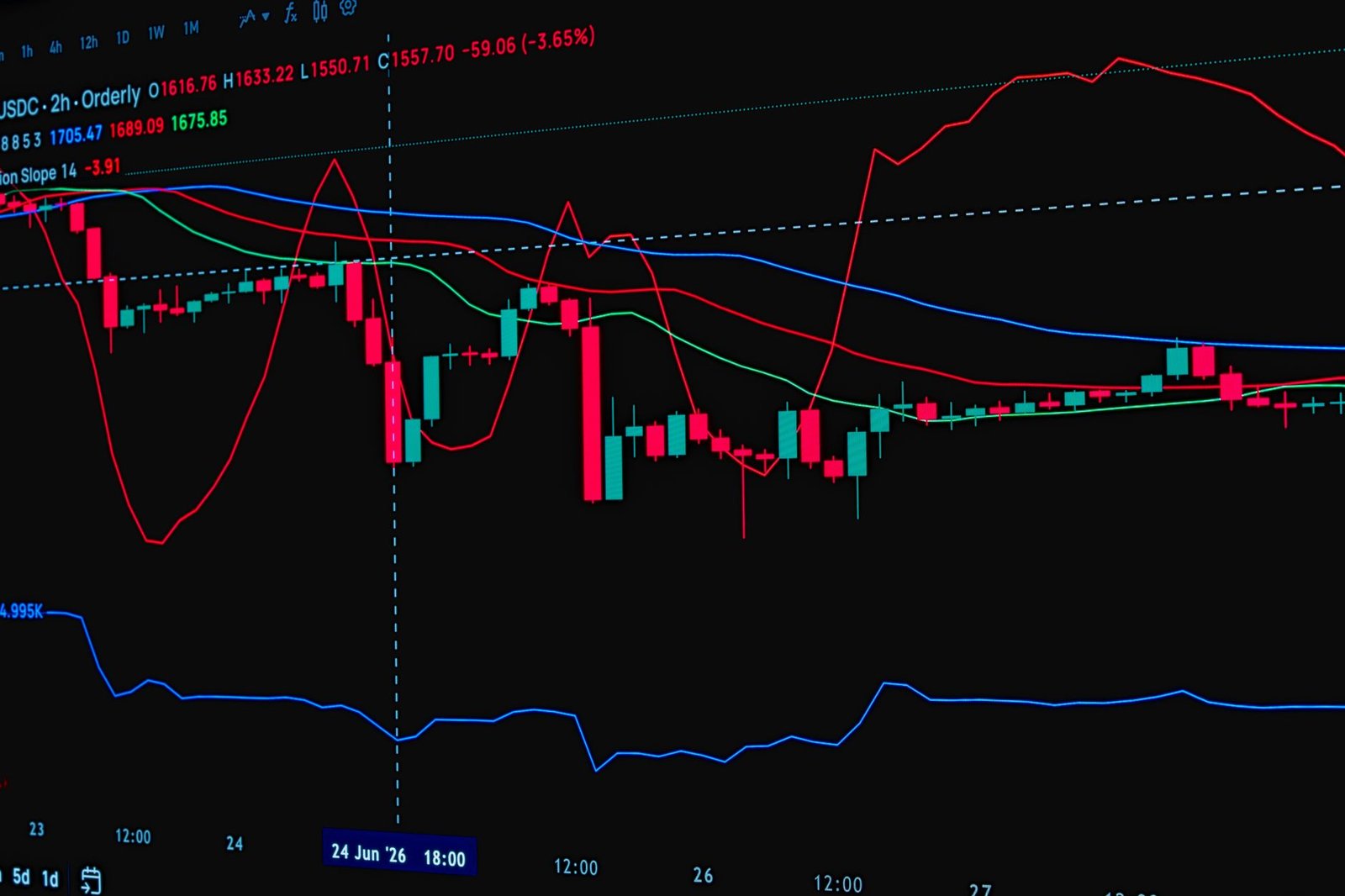
- Technical Analysis: Utilise charting tools and technical indicators (like MACD, RSI, Bollinger Bands, support/resistance levels) on intraday timeframes (e.g., 5-minute, 15-minute charts) to identify entry and exit signals.
- Set Stop-Loss Orders: Define a strict stop-loss for every trade to limit potential losses. This is non-negotiable in intraday trading. Aim for a risk-reward ratio of at least 1:1.5 or 1:2.
- Entry and Exit Plan: Determine precise entry points based on your strategy’s signals and pre-defined profit targets. Avoid emotional decisions.
- Risk Management: Allocate only a small percentage of your trading capital (e.g., 1-2%) to any single trade. Never risk more than you can afford to lose.
- Monitor and Adjust: Keep a close eye on your open positions and market news. Be prepared to exit a trade if conditions change unfavourably, even if the stop-loss hasn’t been hit.
- Review and Learn: At the end of the day, review your trades. Analyse what worked, what didn’t, and adjust your strategy accordingly. Consistent learning is key.
The Role of Technical Indicators
Technical indicators are mathematical calculations based on price and volume data that help traders make decisions. For intraday trading, common indicators include:
- Moving Averages (MA): Help identify trends and potential support/resistance levels.
- Relative Strength Index (RSI): A momentum oscillator that measures the speed and change of price movements, indicating overbought or oversold conditions.
- MACD (Moving Average Convergence Divergence): A trend-following momentum indicator that shows the relationship between two moving averages of a security’s prices.
- Bollinger Bands: Volatility bands placed above and below a moving average, helping to gauge price volatility and identify potential reversal points.
- Volume: Crucial for confirming the strength of price movements and breakouts. High volume on a breakout often signals a more reliable move.
Importance of Risk Management
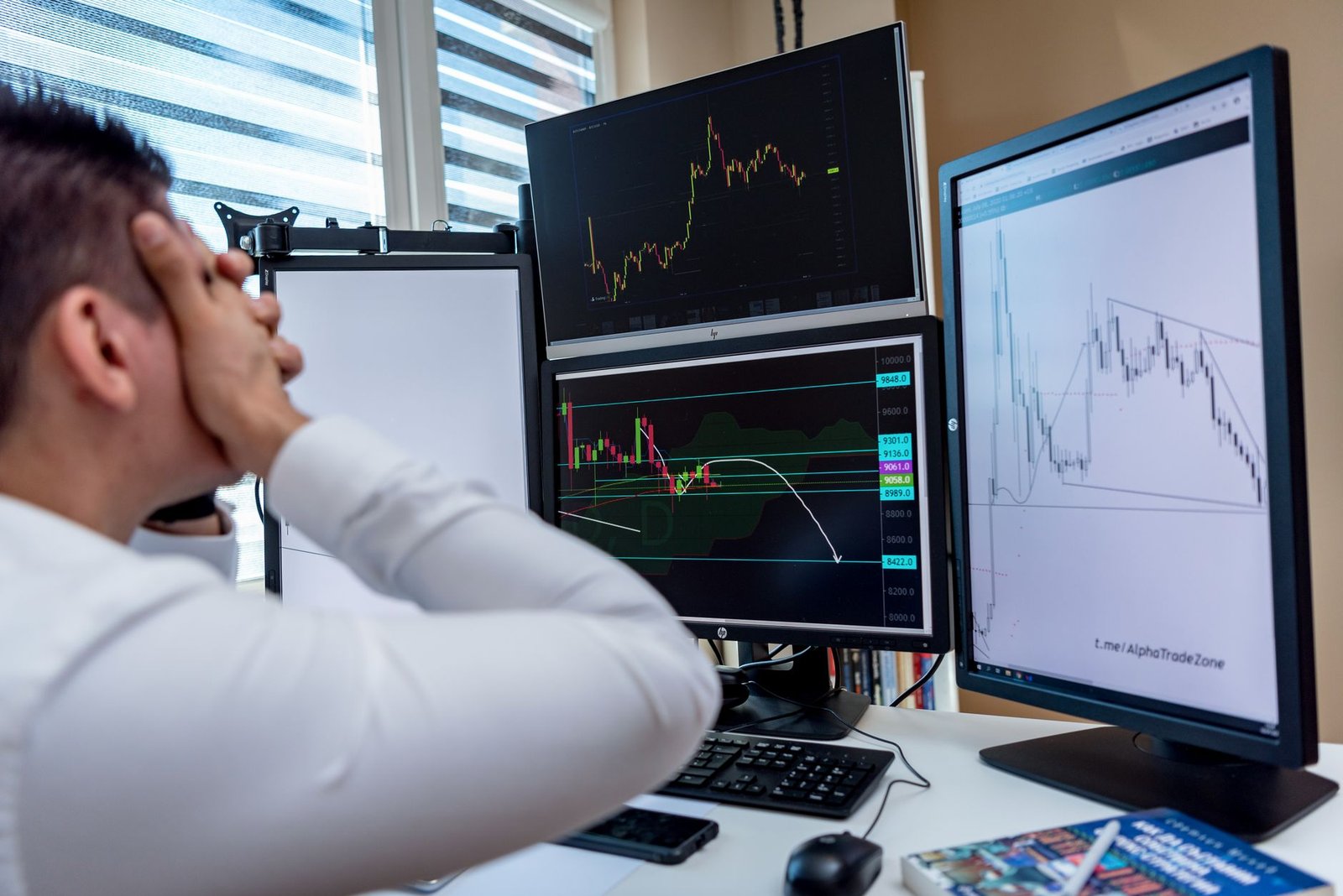
Risk management is arguably the most critical aspect of intraday trading. Since trades are short-lived and leverage is often used, a single bad trade can significantly erode capital. Implementing a strict stop-loss order for every trade is fundamental. A common rule is to risk no more than 1-2% of your trading capital on any single trade. Additionally, maintaining a favourable risk-reward ratio (e.g., aiming to make ₹2 for every ₹1 risked) ensures that even with a moderate win rate, profitability can be achieved. Emotional discipline in adhering to these rules is paramount.
Factors Influencing Intraday Trading Success
Beyond specific strategies and indicators, several external and internal factors significantly influence the success of an intraday trader in the Indian stock market.
Market Volatility
Intraday traders thrive on volatility, as it creates the price swings necessary for profit. High volatility periods, often seen during major economic news releases, corporate announcements, or during the opening and closing hours of the market, present more trading opportunities. However, extreme volatility can also lead to larger, faster losses if not managed properly. Understanding the typical volatility patterns of specific stocks or indices on NSE and BSE is crucial.
Liquidity
High liquidity ensures that traders can enter and exit positions quickly at desired prices without significant slippage. Stocks with high trading volumes are generally considered liquid. For intraday trading, focusing on the most actively traded stocks and index futures (like Nifty 50 futures) is advisable, as they offer the best execution for rapid trades. Illiquid stocks can be risky for day trading due to wide bid-ask spreads and the potential difficulty in closing positions.
Trader Psychology
The mental game is as important as the technicals. Greed, fear, impatience, and overconfidence can lead to poor decision-making. Intraday trading demands discipline, patience, and emotional control. Traders must stick to their trading plan, accept losses as part of the game, and avoid chasing trades. Developing a robust trading psychology involves self-awareness, consistent practice, and often, journaling trades to understand emotional triggers.
Frequently Asked Questions
What is the most important aspect of intraday trading?
The most crucial aspect of intraday trading is rigorous risk management, including the consistent use of stop-loss orders and capital preservation strategies to protect against significant losses.
Which stocks are best for intraday trading in India?
Highly liquid large-cap stocks and index futures (Nifty 50, Bank Nifty) are generally best for intraday trading due to their tight spreads and ease of execution.
How much capital is needed for intraday trading in India?
While technically one can start with a small amount, having sufficient capital to absorb potential losses and trade with proper risk management (e.g., ₹50,000 – ₹1 Lakh+) is advisable for serious intraday traders.
Can I use leverage for intraday trading?
Yes, brokers offer leverage for intraday trades (known as intraday margin). However, leverage magnifies both profits and losses, so it must be used with extreme caution and robust risk controls.
What is the best time for intraday trading in India?
The first hour after market open (9:15 AM – 10:15 AM IST) and the last hour before market close (2:30 PM – 3:30 PM IST) are typically the most volatile and offer significant trading opportunities.
How can I improve my intraday trading skills?
Improvement comes from continuous learning, practicing with a demo account, backtesting strategies, meticulous trade journaling, and seeking mentorship or educational resources focused on technical analysis and trading psychology.
Key Takeaways
- Intraday trading involves buying and selling within the same day to profit from small price movements, requiring speed and discipline.
- Popular strategies include scalping, momentum trading, range trading, and breakout trading, each suited to different market conditions and trader styles.
- Technical indicators like Moving Averages, RSI, and MACD are essential tools for identifying entry and exit points.
- Strict risk management, particularly the use of stop-loss orders and limiting capital per trade, is paramount for survival and profitability.
- Market volatility and liquidity are key environmental factors that intraday traders must understand and leverage.
- Trader psychology, including emotional control and discipline, plays a vital role in executing strategies effectively and consistently.
- Always adhere to SEBI regulations and understand the risks associated with leverage before engaging in intraday trading.
Trading in the stock market involves inherent risks, and past performance is not indicative of future results. Consult with a SEBI-registered investment advisor before making any investment decisions.


 Finovatives