

TL;DR: The Indian stock market, primarily driven by the NSE and BSE, allows investors to buy and sell ownership stakes in publicly listed companies, with prices determined by supply and demand, influenced by company performance and economic factors.
Key Stats at a Glance:
- National Stock Exchange (NSE) market capitalisation: Over ₹400 lakh crore (as of early 2024).
- Bombay Stock Exchange (BSE) market capitalisation: Over ₹300 lakh crore (as of early 2024).
- Number of listed companies on NSE: Over 2,000.
- Nifty 50 Index: Represents the top 50 Indian companies by market capitalisation on the NSE.
- BSE Sensex: Represents the top 30 Indian companies by market capitalisation on the BSE.
What is the Indian Stock Market?
The Indian stock market is a sophisticated ecosystem where investors can trade shares of publicly listed companies, bonds, and other financial instruments, primarily facilitated by two major exchanges: the National Stock Exchange (NSE) and the Bombay Stock Exchange (BSE).
Think of it as a giant marketplace. Companies, needing funds to grow, offer portions of their ownership (called shares or stocks) to the public. Investors, hoping for their money to grow through company profits and share price appreciation, buy these shares. The NSE and BSE act as the regulated platforms where these transactions happen smoothly and transparently. SEBI (Securities and Exchange Board of India) is the ultimate regulator ensuring fair practices. The market’s overall health is often gauged by benchmark indices like the Nifty 50 and BSE Sensex, which track the performance of a select group of large, well-established companies.
How do Stock Exchanges Function in India?
Stock exchanges like the NSE and BSE provide a regulated and organised platform for the buying and selling of securities, ensuring transparency, liquidity, and fair pricing through established rules and mechanisms.
These exchanges are the backbone of the stock market. They list companies that meet certain criteria, allowing their shares to be traded. The NSE, established in 1992, is known for its electronic trading system, offering nationwide reach. The BSE, Asia’s oldest stock exchange, also operates a robust electronic platform. When you place an order to buy or sell shares, it goes through a broker to the exchange’s trading system, where it’s matched with a corresponding sell or buy order. The exchanges ensure that trades are settled promptly, usually within T+1 day (trade day plus one working day), meaning you get your shares or money shortly after the transaction is completed.
The Role of SEBI
The Securities and Exchange Board of India (SEBI) is the primary regulatory body for the Indian securities market. It protects investor interests, promotes market development, and regulates the securities industry to ensure fair and transparent trading practices.
NSE vs. BSE: Key Differences
While both NSE and BSE are vital, the NSE generally has higher trading volumes, especially in derivatives, and was the first exchange in India to offer a fully automated electronic trading system. The BSE, being older, has a longer history and a wider array of listed companies, though trading volumes might be lower compared to the NSE in many segments.
What are Stocks and How are Their Prices Determined?
Stocks represent ownership in a company, and their prices are dynamically determined by the forces of supply and demand in the stock market, influenced by factors like company performance, economic conditions, and investor sentiment.
When you buy a stock, you’re buying a tiny piece of that company. If many people want to buy a particular stock (high demand) and fewer people want to sell it (low supply), the price tends to go up. Conversely, if more people want to sell than buy, the price tends to fall. Company-specific news (like earnings reports, new product launches, or management changes), industry trends, government policies, global economic events, and even general market sentiment can all sway this balance of supply and demand, causing stock prices to fluctuate daily, sometimes even by the minute. Understanding these drivers is key to making informed investment decisions.
Understanding Market Capitalisation
Market capitalisation, or ‘market cap’, is the total market value of a company’s outstanding shares, calculated by multiplying the current share price by the total number of shares issued. It’s a primary indicator of a company’s size.
Factors Influencing Stock Prices
Numerous factors influence stock prices, including a company’s financial health (revenue, profits, debt), industry outlook, macroeconomic indicators (inflation, interest rates, GDP growth), geopolitical events, and investor psychology (fear and greed).
How Can Beginners Start Trading in the Indian Stock Market?
Beginners can start trading by opening a Demat and trading account with a registered stockbroker, understanding basic order types, and beginning with small, well-researched investments.
How to Start Trading: A Step-by-Step Guide
- Open a Demat and Trading Account: You need to open these accounts with a SEBI-registered stockbroker. A Demat account holds your shares in electronic form, while a trading account allows you to place buy and sell orders on the exchange. Many brokers offer online account opening.
- Understand KYC: Complete the Know Your Customer (KYC) process, which involves submitting identity and address proofs, along with financial details.
- Fund Your Account: Transfer funds from your bank account to your trading account.
- Learn Basic Order Types: Familiarise yourself with market orders (buy/sell at the best available current price) and limit orders (buy/sell at a specific price or better).
- Research Stocks: Before buying, research companies. Look at their financial performance, business model, industry, and future prospects. Resources like NSE India’s website or financial news portals can be helpful.
- Place Your First Order: Log in to your broker’s trading platform and place a buy or sell order for a stock you’ve researched. Start with a small amount you can afford to lose.
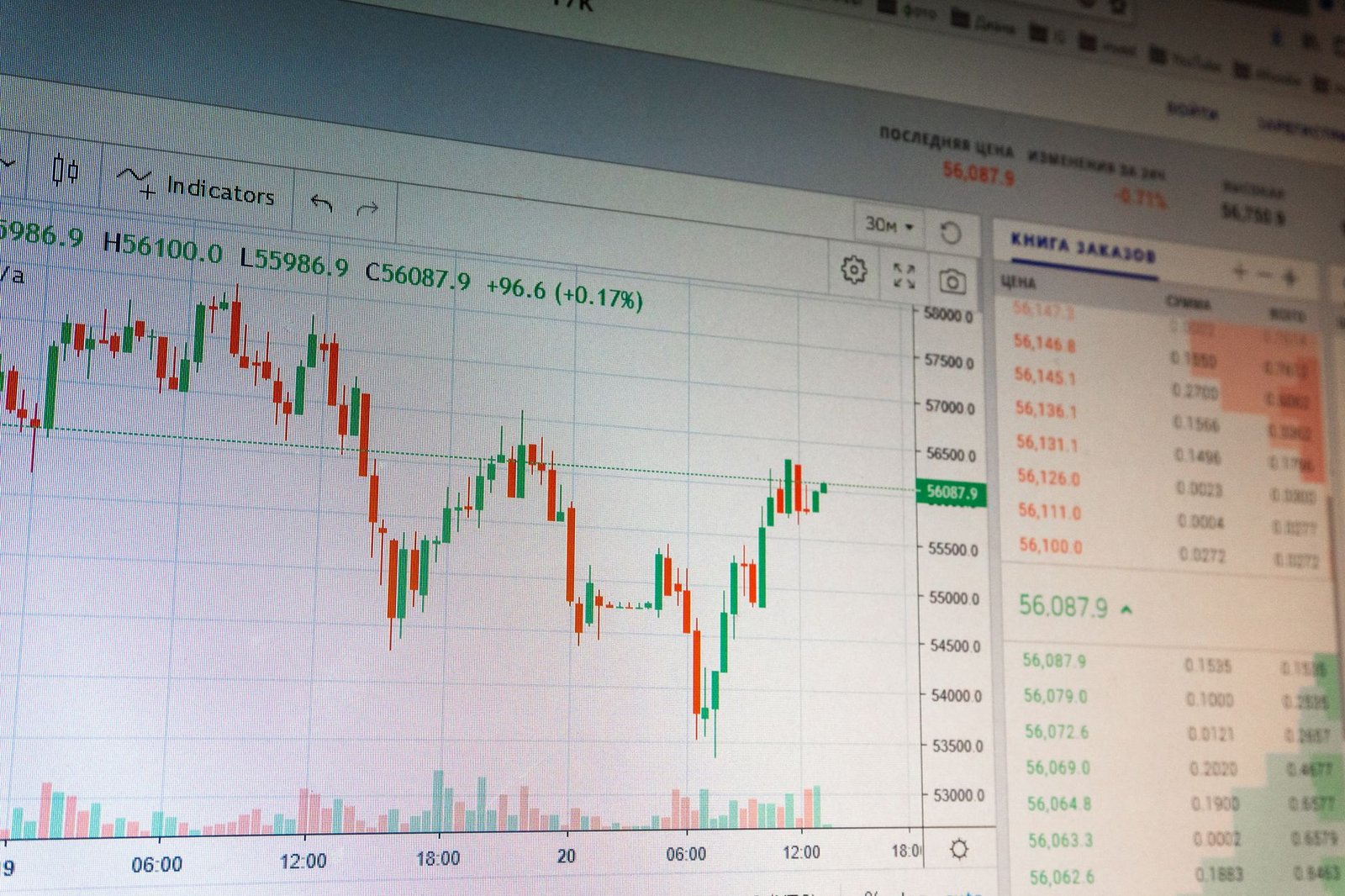
- Monitor Your Investments: Keep track of your investments and stay updated on company news and market trends. Consider using tools like a TradingView indicator for better analysis.
- Consider Paper Trading: Many platforms offer ‘paper trading’ or virtual trading, allowing you to practice with virtual money before using real capital.

What are Common Investment Strategies for Beginners?
Common investment strategies for beginners include long-term investing, systematic investment plans (SIPs), and focusing on blue-chip stocks or index funds, prioritising gradual wealth creation over quick gains.
For those new to the market, adopting a prudent strategy is key. Long-term investing involves buying quality stocks and holding them for years, allowing the power of compounding to work its magic. This approach often involves less frequent trading and a focus on fundamental company strength. SIPs, commonly used for mutual funds but applicable conceptually to stocks, involve investing a fixed amount at regular intervals, which helps average out the purchase cost over time (rupee cost averaging) and reduces the risk of timing the market. Focusing on blue-chip stocks (large, financially sound companies with a long history of stable earnings) or index funds (which passively track an index like the Nifty 50) can offer diversification and reduce risk compared to picking individual volatile stocks.
Long-Term Investing vs. Short-Term Trading
Long-term investing focuses on capital appreciation over years, often based on a company’s intrinsic value and growth potential. Short-term trading, conversely, aims to profit from short-term price fluctuations, requiring more active monitoring and technical analysis skills.
The Power of Compounding
Compounding is the process where your investment earnings start generating their own earnings, leading to exponential growth over time. It’s often called the ‘eighth wonder of the world’ for its wealth-building potential, especially when combined with long-term investing.
Frequently Asked Questions
What is a Demat account?
A Demat account holds your shares and other securities in an electronic format, eliminating the need for physical share certificates and making transactions faster and more secure.
What is the Nifty 50?
The Nifty 50 is a benchmark index representing the weighted average of the 50 largest Indian companies listed on the National Stock Exchange (NSE), reflecting the overall market trend.
How much capital is needed to start investing?
You can start investing with a small amount, even a few hundred rupees, especially through mutual fund SIPs or by buying fractional shares if available. However, significant returns often require larger initial capital or consistent investment over time.
Is the Indian stock market risky?
Yes, all stock market investments carry inherent risks, including market volatility, company-specific risks, and economic downturns. Diversification and thorough research can help mitigate these risks.
What is a stockbroker?
A stockbroker is a licensed intermediary who executes buy and sell orders on behalf of investors on the stock exchanges. They also provide research and advisory services.
Where can I learn more about stock market analysis?
You can learn through SEBI-approved courses, financial education websites, books, and by utilising analytical tools. Platforms offering advanced charting like TradingView indicators can also be invaluable.
Key Takeaways
- The Indian stock market operates via regulated exchanges (NSE, BSE) facilitating share trading.
- Stock prices are driven by supply and demand, influenced by company performance and economic factors.
- A Demat and trading account with a SEBI-registered broker is essential for trading.
- Beginners should focus on research, understanding order types, and starting small.
- Long-term investing and strategies like SIPs are recommended for new investors.
- SEBI regulates the market to protect investors and ensure fair practices.
- Diversification and continuous learning are crucial for managing risk and building wealth.
Investing in the stock market involves risks. Please read all related documents carefully before investing.






 Finovatives