


TL;DR: Market orders execute immediately at the best available price, Limit orders guarantee a specific price or better but may not fill, and Stop Loss orders trigger a market or limit order when a certain price is reached to limit potential losses.
Key Stats at a Glance:
- NSE cash market average daily turnover: ₹1.3 Trillion (as of recent data)
- BSE Sensex performance (1-year CAGR): Approximately 15%
- Average retail investor holding period: Under 2 years
- Number of active listed companies on NSE: Over 2,500
What are Order Types in Trading?
Order types are specific instructions given to a broker to buy or sell a security, defining the terms under which the trade should be executed.
They are the fundamental tools traders use to interact with the stock market, determining the price and timing of their transactions. Choosing the correct order type can significantly impact your trading outcomes, from ensuring you get the desired price to protecting your capital from sharp downturns.
Market Orders: Speed Over Certainty
A market order is an instruction to buy or sell a security at the best available current price.
This is the simplest and most common order type, prioritising speed of execution over a specific price. When you place a market order, it is typically filled almost instantly, but the price you receive might be slightly different from the last traded price you saw on your screen due to real-time market fluctuations.
For instance, if you want to buy shares of Reliance Industries immediately because you believe the price will rise rapidly, you would place a market order. The exchange will then match your order with the nearest available sell order. While this ensures you get into the position quickly, you might end up paying a little more or receiving a little less than you anticipated, especially in fast-moving markets or for less liquid stocks.
When to use Market Orders:
- When entering or exiting a highly liquid stock where the bid-ask spread is very narrow.
- When the immediate execution is more critical than the exact price (e.g., news-driven rallies or panics).
- When you are a beginner and want the simplest way to get into or out of a trade.
However, be cautious. In volatile markets or for illiquid stocks (those with few buyers or sellers), the price slippage – the difference between the expected price and the execution price – can be significant.
Pros:
- Fastest execution.
- Guaranteed to be filled (as long as there’s a counterparty).
Cons:
- No price control; you get the best available price at that moment.
- Potential for significant slippage in volatile or illiquid markets.
Limit Orders: Price Control is Key
A limit order allows you to set a specific price at which you are willing to buy or sell a security.
This order type gives you control over the execution price, ensuring you don’t pay more than you want to or sell for less than you deem acceptable. However, there’s no guarantee that your order will be executed, as the market price might never reach your specified limit price.
How Limit Orders Work:
- Buy Limit Order: You set a price *below* the current market price. The order will only execute if the stock price falls to or below your limit price. This is useful if you want to buy a stock at a discount. For example, if a stock is trading at ₹105, you might place a buy limit order at ₹100, hoping to acquire it at a lower price.
- Sell Limit Order: You set a price *above* the current market price. The order will only execute if the stock price rises to or above your limit price. This is ideal if you have a target profit in mind. For example, if a stock is trading at ₹105, you might place a sell limit order at ₹110 to lock in profits.
Limit orders are excellent for disciplined traders who have a clear entry or exit price strategy and are willing to wait for that price to be met. They prevent overpaying and help in systematic profit booking.
When to use Limit Orders:
- When you have a specific price target for entry or exit.
- When you are trading less liquid stocks and want to avoid unfavourable prices.
- When you are not in a hurry to execute the trade.
The primary downside is that your order might remain unfilled if the market doesn’t move to your limit price, potentially causing you to miss out on a trade if the price moves away from your desired level.
Understanding Limit Order Lifespans
When placing a limit order, you often have options for how long it remains active:
- Day Order: The order is active only for the current trading day. If it’s not filled by the market close, it’s automatically cancelled.
- Good ‘Til Cancelled (GTC): The order remains active until you manually cancel it or it is filled. Be mindful of GTC orders, especially if you forget about them, as they could execute much later under different market conditions.
Many trading platforms, including those offering TradingView indicators, allow you to set these order lifespans easily.

Stop Loss Orders: Your Safety Net
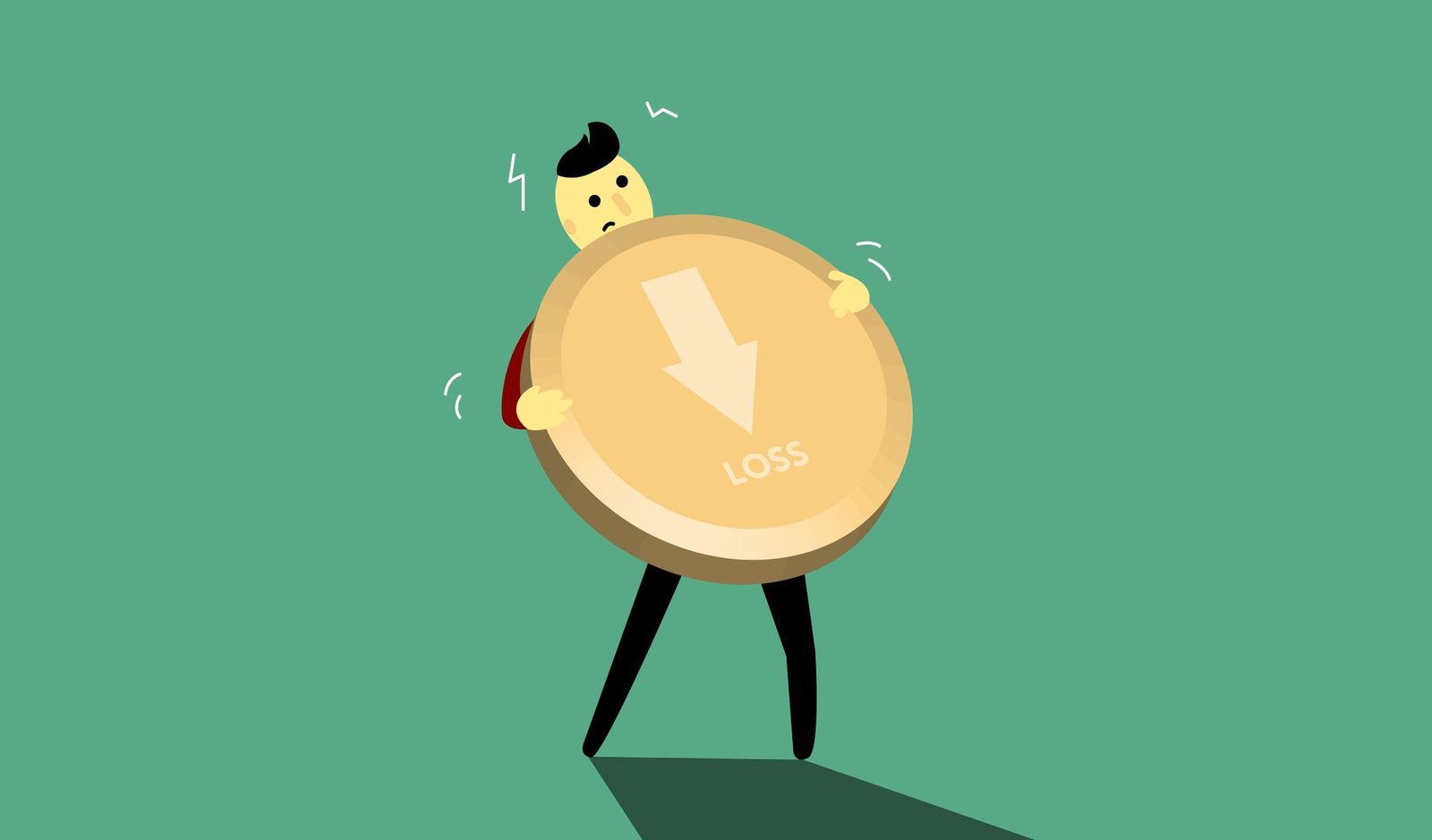
A stop loss order is designed to limit your potential losses on a trade by automatically triggering a market or limit order when the price of a security reaches a predetermined level.
This is a crucial risk management tool for every trader. It acts like an insurance policy, protecting your capital from significant downturns by exiting your position before losses become too large.
How Stop Loss Orders Work:
- Stop Loss (for a long position): You set a price *below* the current market price. If the stock price falls to or below this stop price, it triggers a market order to sell your shares. For example, if you bought a stock at ₹100 and set a stop loss at ₹95, your shares will be sold at the best available price once the stock hits ₹95, thus limiting your loss to ₹5 per share.
- Stop Loss (for a short position): You set a price *above* the current market price. If the stock price rises to or above this stop price, it triggers a market order to buy back the shares. This limits your potential loss on a short sale.
It’s essential to understand that a stop loss order, when triggered, becomes a market order. This means it will be executed at the next available price, which could be significantly lower than your stop price in a rapidly falling market (this is known as slippage). To mitigate this, some traders use ‘Stop Limit’ orders.
Stop Limit Orders: Combining Control and Protection
A stop limit order combines features of both stop loss and limit orders.
When the stop price is reached, it triggers a limit order instead of a market order. This means your order will only be executed at your specified limit price or better. However, this also means that if the price gaps down significantly beyond your limit price, your stop limit order might not be filled, leaving you with the stock and the continuing risk.
Example: If a stock is trading at ₹100, you set a stop limit order with a stop price of ₹95 and a limit price of ₹94. If the stock falls to ₹95, your limit order to sell at ₹94 is triggered. However, if the price plummets directly from ₹98 to ₹93 without touching ₹95, your order to sell at ₹94 won’t execute.
When to use Stop Loss Orders:
- Always, when managing risk is a priority.
- When you cannot constantly monitor the market.
- To define your maximum acceptable loss on any single trade.
How to Place Different Order Types on Your Trading Platform
Placing orders is straightforward on most modern trading platforms, whether you’re using a desktop application or a mobile app. Here’s a general guide:
- Log In: Access your trading account with your broker.
- Select a Script: Navigate to the desired stock or security you wish to trade (e.g., Infosys, TCS, or a specific commodity on MCX).
- Choose Action: Select whether you want to Buy or Sell.
- Enter Quantity: Specify the number of shares or units you want to trade.
- Select Order Type: Choose from the available options: Market, Limit, or Stop Loss (or Stop Limit).
- Set Price (for Limit/Stop Loss): If you chose Limit or Stop Loss, enter your desired price. For a Stop Loss, you’ll typically set the ‘Stop Price’ and potentially a ‘Limit Price’ if using a stop-limit order. For a Market order, you leave the price field blank or select ‘Market’.
- Review and Place: Double-check all details – script, quantity, order type, and price. Then, confirm and place your order.
- Monitor: Keep an eye on your open orders and the market to see if your order gets executed or if you need to adjust your strategy.
Understanding Order Prioritization and Execution
When orders reach the exchange, they are prioritised based on price and time. For buy orders, the highest price gets priority. For sell orders, the lowest price gets priority. If multiple orders share the same price, the one that arrived at the exchange first is executed first. This is known as the Price-Time Priority system, a cornerstone of fair trading on exchanges like the NSE and BSE.
Market orders typically get the highest priority for immediate execution as they are willing to accept any price. Limit orders are placed in the order book based on their specified price and arrival time.
Frequently Asked Questions
What is the difference between a Market order and a Limit order?
A Market order executes immediately at the best available price, prioritising speed. A Limit order executes only at your specified price or better, prioritising price control but risking non-execution.
Is a Stop Loss order guaranteed to execute at the stop price?
No. When triggered, a stop loss becomes a market order, executing at the next available price. This can result in slippage, where the execution price is worse than the stop price, especially in fast-moving markets.
When should I use a Market order?
Use a Market order when immediate execution is critical and you are trading a highly liquid stock where price slippage is minimal. It’s best for quick entries or exits in stable conditions.
When is a Limit order most useful?
A Limit order is most useful when you have a specific price target and are willing to wait for it. It’s ideal for disciplined entry/exit points and for avoiding unfavourable prices in less liquid markets.
Can a Stop Loss order be used to book profits?
Yes, a trailing stop loss can be used to lock in profits. As the price moves in your favour, the stop loss level adjusts upwards (for a long position), protecting accumulated gains while allowing for further upside.
What is slippage in trading?
Slippage is the difference between the expected price of a trade and the price at which it was actually executed. It commonly occurs with market orders during periods of high volatility or low liquidity.
Key Takeaways
- Market orders prioritise speed of execution over price certainty.
- Limit orders offer price control but may not always get filled.
- Stop Loss orders are essential risk management tools to cap potential losses.
- Stop Limit orders blend elements of both stop loss and limit orders, offering protection with price control, but also risking non-execution.
- Understanding and correctly applying these order types is fundamental for effective trading on Indian stock exchanges.
- Always consider market liquidity and volatility when choosing an order type.
Investing in the stock market involves risks. Please consult with a qualified financial advisor before making any investment decisions.



 Finovatives