

TL;DR: A disciplined trading mindset is the bedrock of success for Indian retail traders, enabling them to consistently execute their strategies, manage risk effectively, and overcome emotional biases that lead to losses.
Key Stats at a Glance:
- Over 75% of retail traders lose money within the first year in volatile markets like India’s.
- Nifty 50’s Average True Range (ATR) can exceed 150 points on high-volatility days, demanding strong risk management.
- Studies suggest emotional trading decisions contribute to over 90% of trading errors.
- SEBI mandates strict risk disclosure for all investment products.
- Average holding period for profitable trades can be significantly longer than losing trades, indicating patience.
What is a Disciplined Trading Mindset?
A disciplined trading mindset is the mental framework and emotional control required to consistently follow a pre-defined trading plan, manage risk effectively, and avoid impulsive decisions driven by fear or greed.
The Importance of Discipline in Trading
In the dynamic Indian stock market, characterized by events from the NSE and BSE, discipline acts as the crucial bridge between a sound trading strategy and actual profits. Without it, even the best technical analysis or fundamental research can be undermined by emotional reactions. Traders might chase falling knives out of hope, sell winning positions prematurely out of fear, or deviate from their strategy due to FOMO (Fear Of Missing Out). Discipline ensures that your trading actions align with your objectives, not your fleeting emotions.
Emotional Trading vs. Disciplined Trading
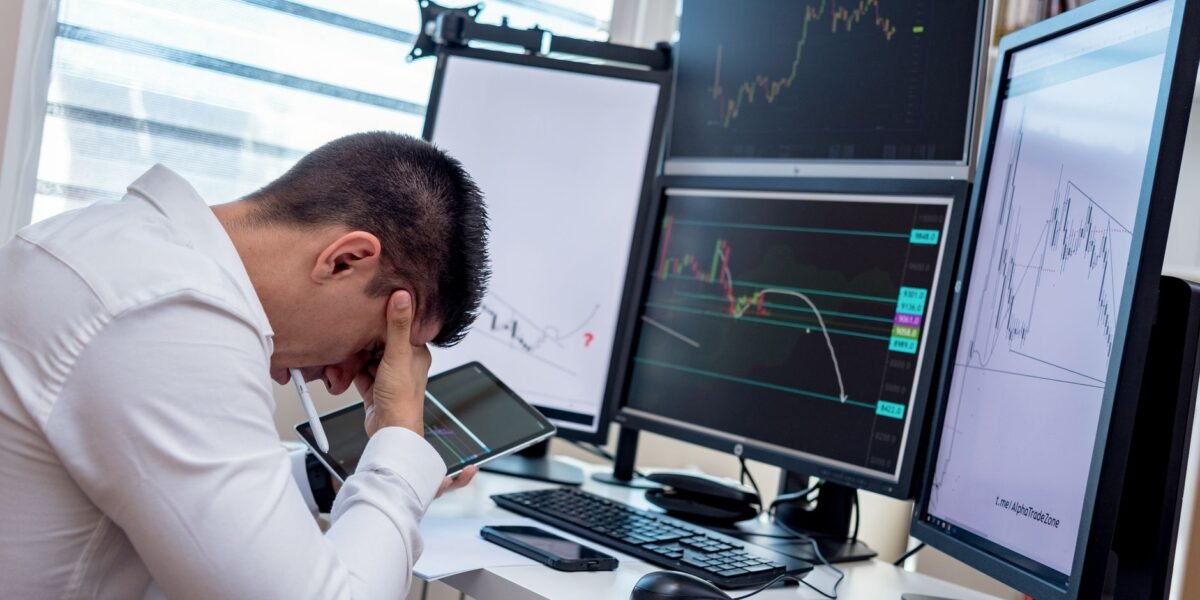
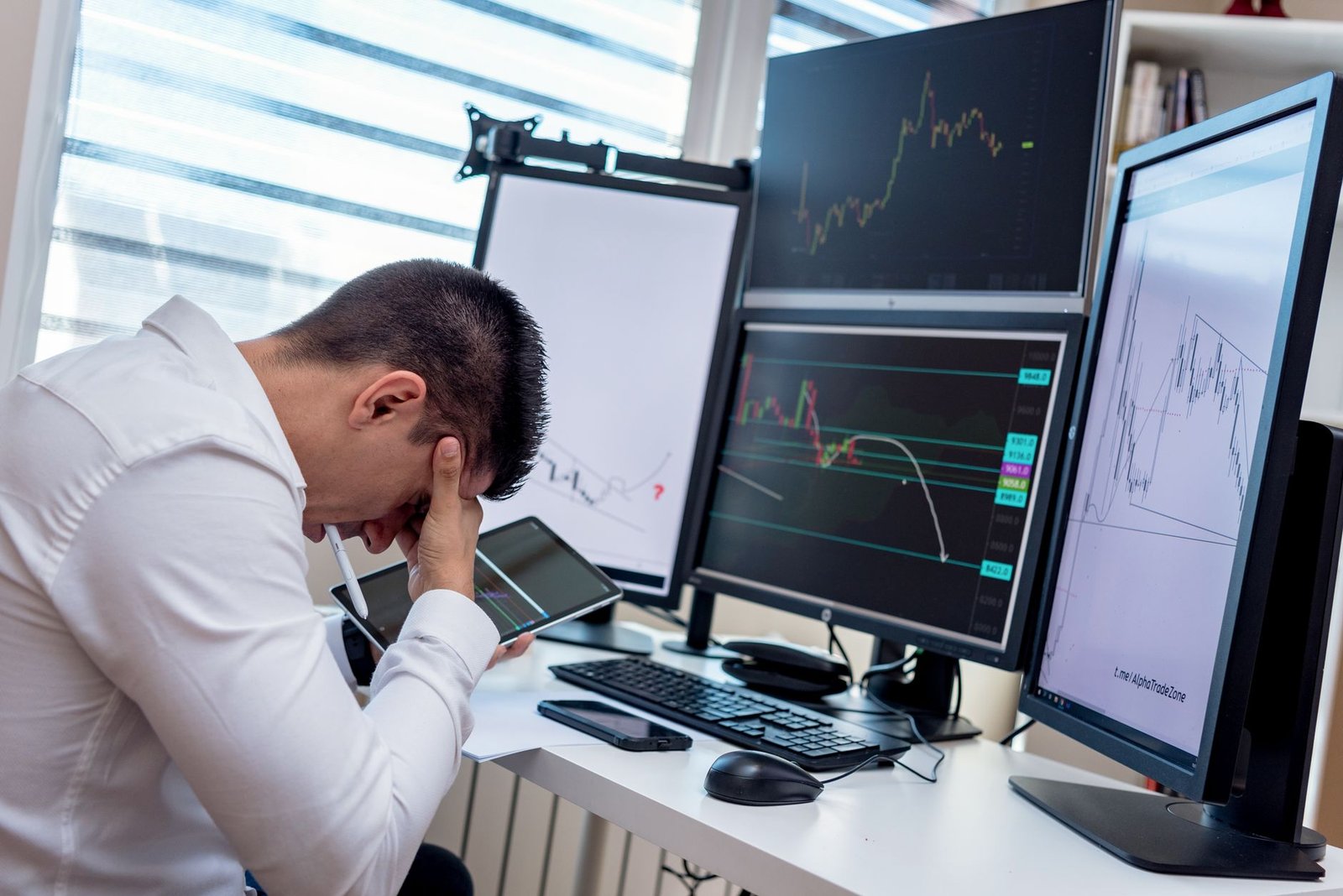
Emotional trading is reactive and often irrational. It’s driven by immediate feelings – the exhilaration of a win leading to overconfidence, or the sting of a loss leading to revenge trading. Disciplined trading, conversely, is proactive and objective. It relies on a systematic approach, a well-researched trading plan, and a commitment to executing trades based on pre-set criteria, regardless of the emotional noise.
Common Emotional Pitfalls for Traders
Indian retail traders frequently grapple with several emotional challenges:
- Fear: The fear of losing capital can cause traders to exit profitable positions too early or avoid entering trades altogether.
- Greed: The desire for excessive profits can lead to taking on too much risk, over-leveraging, or holding onto positions long after profit targets have been met.
- Hope: Clinging to losing trades in the hope that they will eventually turn around, leading to larger and larger losses.
- Regret: Dwelling on past mistakes or missed opportunities, which can cloud judgment for future trades.
- Overconfidence: After a few successful trades, believing one is invincible, leading to recklessness and ignoring risk management rules.
Cultivating a Disciplined Trading Psychology
Developing discipline is a journey, not a destination. It requires conscious effort and practice. Here’s how you can build it:
1. Develop a Comprehensive Trading Plan
Your trading plan is your roadmap. It should detail your market analysis, entry and exit criteria, risk management rules (stop-loss levels, position sizing), and the specific instruments you’ll trade. Adhering strictly to this plan is the cornerstone of discipline.
2. Master Risk Management
Discipline is intrinsically linked to risk management. Knowing you have defined stop-losses and appropriate position sizes can significantly reduce the emotional impact of a losing trade. Never risk more than you can afford to lose on a single trade – a fundamental principle emphasized by SEBI’s investor awareness campaigns.
3. Keep a Detailed Trading Journal
Document every trade: the rationale, entry/exit points, profit/loss, and crucially, your emotional state during the trade. Reviewing this journal regularly helps identify emotional patterns and areas where discipline falters. This is a powerful tool for self-awareness and improvement.
4. Practice Mindfulness and Emotional Regulation
Techniques like deep breathing exercises, meditation, or even short breaks can help you regain composure when emotions run high. Recognize your emotional triggers and develop strategies to manage them *before* they impact your trading decisions. Tools like TradingView indicators can help keep you focused on data, not emotion.
5. Set Realistic Expectations
Understand that consistent, steady profits are more sustainable than chasing quick riches. Unrealistic expectations fuel impatience and lead to impulsive decisions. Focus on executing your plan flawlessly rather than aiming for astronomical returns overnight.
How to Develop a Disciplined Trading Mindset
Building a disciplined trading mindset requires a structured, step-by-step approach. Here’s a practical guide for Indian traders:
- Define Your Trading Edge: Clearly identify what gives you an advantage in the market (e.g., a specific pattern, an indicator strategy like those offered on Finovatives). Ensure this edge is backed by data and backtesting.
- Create a Written Trading Plan: Document your strategy, including entry/exit rules, stop-loss levels (e.g., 1.5% of capital per trade), position sizing (e.g., never more than 2% of capital at risk), and the specific markets/instruments you will trade (NSE, BSE, MCX).
- Backtest and Forward Test: Rigorously test your trading plan on historical data (backtesting) and then in a simulated live environment (forward testing or paper trading) to build confidence and refine parameters.
- Start Small with Real Capital: Once confident, begin trading with a small amount of real capital. This introduces the real emotional pressures of trading, allowing you to practice discipline under pressure without significant financial risk.
- Strictly Adhere to Stop-Loss Orders: Treat your stop-loss orders as non-negotiable. Set them before entering a trade and do not move them further away if the trade goes against you. Cutting losses quickly is paramount.
- Review Trades Objectively: After each trading session, review your journal. Analyze wins and losses objectively, focusing on whether you followed your plan, rather than solely on the P&L. Identify deviations and understand why they occurred.
- Seek Feedback and Continuous Learning: Engage with other disciplined traders, read books on trading psychology, and consider professional mentorship. Continuous learning helps refine your strategy and reinforce disciplined habits.
- Celebrate Adherence, Not Just Profits: Acknowledge and reward yourself for sticking to your trading plan, even after a losing trade. This reinforces the importance of process over outcome.

The Role of Technology in Fostering Discipline
While discipline is an internal trait, technology can be a powerful ally. Advanced trading platforms and tools, like the TradingView indicators available through Finovatives, can help automate certain aspects of trading and provide objective data. Algorithmic trading, though complex, inherently relies on strict discipline as it executes trades based on pre-programmed rules, removing human emotional interference. Even simpler tools like price alerts and charting software can help traders stay focused on their plan and avoid impulsive, screen-staring behaviours.
Building Resilience Through Setbacks
Every trader faces losing streaks or significant drawdowns. Discipline is most tested during these times. Instead of viewing them as failures, see them as opportunities to learn and strengthen your resolve. Analyze what went wrong, adjust your plan if necessary based on objective analysis, and commit to executing the refined plan with even greater rigor. Resilience is built by overcoming adversity, not by avoiding it.
Frequently Asked Questions
What is the most important trait for a successful trader?
While many traits are important, discipline is arguably the most crucial. It ensures that a trader consistently follows their strategy, manages risk effectively, and avoids emotional decision-making that often leads to losses.
How can I control my emotions while trading?
Control emotions through a solid trading plan, strict risk management, mindfulness techniques, taking breaks, and keeping a trading journal to identify and address emotional triggers objectively.
Is it possible to become a disciplined trader if I’m naturally impulsive?
Yes, absolutely. Discipline is a learned skill, not an innate trait. Through consistent practice, self-awareness, adherence to a plan, and conscious effort, anyone can develop a disciplined trading mindset.
How long does it take to develop a disciplined trading mindset?
Developing a truly disciplined mindset takes time and consistent effort, often months or even years. It involves continuous learning, self-reflection, and adapting to market challenges while staying true to your core principles.
Can trading psychology be improved with tools?
Yes, trading psychology can be significantly supported by tools. Charting software, backtesting platforms, automated alerts, and even AI-driven analysis can help traders stay objective, follow their plan, and reduce emotional decision-making.
What is the role of a trading journal in discipline?
A trading journal is vital for discipline as it provides objective feedback on your trading performance and emotional state. Reviewing it helps identify patterns of emotional trading and areas where the trading plan was not followed, enabling targeted improvement.
Key Takeaways:
- A disciplined trading mindset is essential for overcoming emotional biases and achieving consistent profitability in Indian markets.
- Develop a comprehensive trading plan and adhere to it rigorously, including strict risk management rules like stop-losses.
- Emotional pitfalls like fear, greed, and hope can derail even the best strategies; recognizing and managing them is key.
- A trading journal is a powerful tool for self-awareness, helping to identify and correct undisciplined behaviour.
- Technology and continuous learning play supportive roles in reinforcing disciplined trading habits.
- Resilience is built by learning from setbacks rather than being defeated by them.
Trading involves significant risk, including the potential loss of principal. Past performance is not indicative of future results. Consult with a SEBI-registered investment advisor before making any investment decisions.




 Finovatives