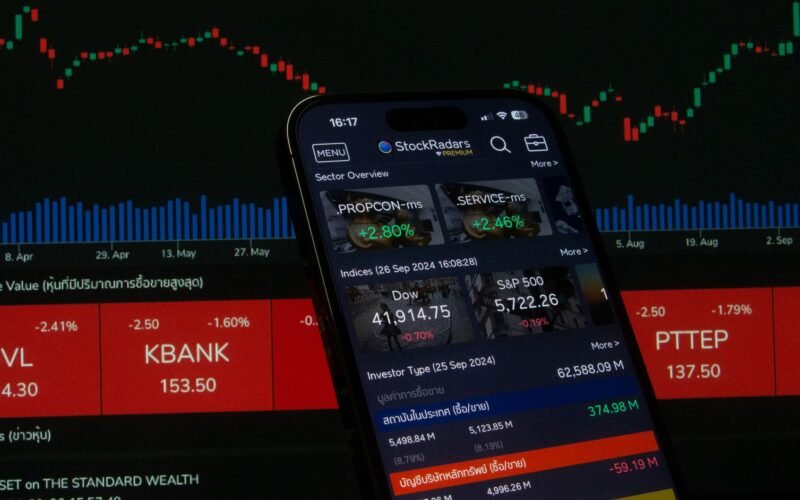



TL;DR: Fear and greed are powerful psychological drivers in stock markets that cause irrational buying and selling; controlling them through discipline, strategy, and objective analysis is key to avoiding costly mistakes and achieving profitable trading outcomes.
Key Stats at a Glance:
- Nifty 50 experienced an average annual volatility of ~15% over the last decade.
- SEBI mandates risk-o-meter disclosure for mutual funds to inform investors.
- Retail investor participation in Indian equity markets has grown by over 100% since 2020.
- Over 70% of short-term trading decisions are influenced by emotional factors, not fundamentals.
- The average investor holding period for equity funds has decreased significantly in recent years.
What are Fear and Greed in the Stock Market?
Fear and greed are the two dominant emotions that profoundly influence investor behaviour and decision-making in financial markets, often leading to actions that deviate from rational analysis and strategic planning.
These primal emotions act as powerful psychological forces, driving investors to either panic-sell during downturns (fear) or chase overly inflated assets during rallies (greed). In the Indian stock market context, where retail participation has surged, understanding these emotional biases is paramount for navigating volatility and protecting capital. Fear manifests as a desire to exit the market to avoid potential losses, often triggered by negative news, economic uncertainty, or sharp price declines. Conversely, greed arises from the desire for quick and substantial gains, leading investors to overlook risks, buy at inflated prices, and hold onto assets longer than prudent, hoping for even higher returns. These opposing forces can create significant market swings and individual investment blunders.

Why Do Fear and Greed Dictate Market Movements?
Fear and greed dictate market movements because they trigger herd behaviour and amplify buying or selling pressure beyond fundamental valuation, creating speculative bubbles and crashes.
The collective psychological response of a large number of market participants to these emotions is what drives broader market trends. When fear grips the majority, widespread selling ensues, pushing prices down rapidly, often irrespective of the underlying value of companies. This is often seen during periods of economic turmoil or geopolitical uncertainty. Conversely, when greed takes hold, investors become overly optimistic, ignoring warning signs and driving prices up exponentially in pursuit of profits, creating speculative bubbles. This phenomenon is amplified by behavioural biases like FOMO (Fear Of Missing Out). The interplay of these emotions creates cycles of boom and bust, making disciplined investing essential.
The Psychology Behind Investor Behaviour
Investor behaviour is a complex interplay of rational analysis and emotional responses, where biases like confirmation bias, anchoring, and loss aversion can significantly sway decisions, often leading to suboptimal outcomes.
Confirmation bias leads investors to seek out information that supports their existing beliefs, reinforcing poor investment choices. Anchoring causes individuals to rely too heavily on the first piece of information offered (e.g., purchase price) when making decisions. Loss aversion, the tendency to prefer avoiding losses over acquiring equivalent gains, often results in holding onto losing stocks too long, hoping they will recover, or selling winning stocks too early to lock in profits. These psychological pitfalls, combined with the pervasive influence of fear and greed, create a challenging environment for objective decision-making.
How to Identify and Manage Fear in Trading
Identifying and managing fear in trading involves recognizing its physiological and psychological symptoms, developing a pre-defined trading plan, and practising emotional detachment from short-term market fluctuations.
Fear often surfaces as anxiety, sleeplessness, or a compulsive need to check stock prices. Recognizing these signs is the first step. To manage it, traders must establish a robust trading strategy before entering any trade, complete with entry and exit points, stop-loss levels, and profit targets. Sticking to this plan, even when emotions run high, is critical. It’s also beneficial to focus on the process rather than the immediate outcome, understanding that losses are a part of trading. Diversification and investing only what one can afford to lose also help mitigate the intensity of fear.
Developing a Trading Plan to Counter Fear
A trading plan acts as a disciplined framework, providing clear rules and exit strategies that help investors make rational decisions even under emotional duress, thereby mitigating the impact of fear.
A well-structured trading plan typically includes: defining your risk tolerance, setting specific profit targets, determining stop-loss points to limit potential losses, outlining entry and exit criteria based on technical or fundamental analysis, and specifying position sizing. By having these parameters clearly defined, an investor is less likely to make impulsive decisions driven by fear during market downturns. For instance, if a pre-set stop-loss is hit, the decision to sell is already made, removing the emotional burden of deciding in the moment. This objective approach is crucial for consistent performance. Tools like a robust TradingView indicator can help automate certain aspects of this plan.
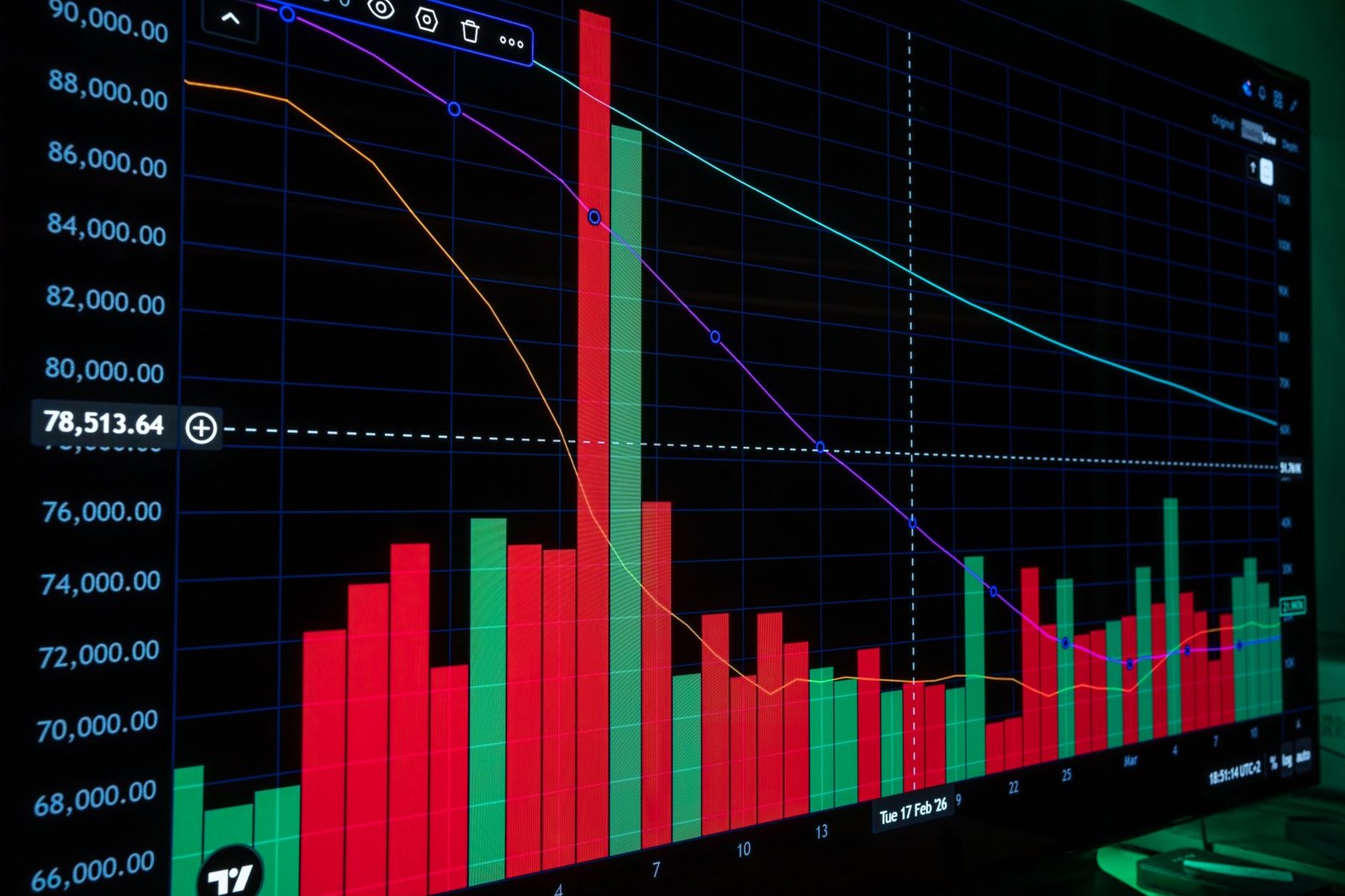
Strategies to Combat Greed in Investing
Strategies to combat greed involve setting realistic profit targets, taking profits systematically, diversifying investments, and maintaining a long-term perspective to avoid chasing excessive returns.
Greed can lead investors to hold onto winning positions too long, hoping for unrealistic gains, or to over-trade in pursuit of quick profits. To counter this, it’s essential to have pre-determined profit-taking levels. Instead of waiting for maximum potential gains, consider booking partial profits as the investment grows. This secures some returns and reduces the temptation to hold on for speculative highs. Diversification across different asset classes and sectors, as recommended by financial advisors, also prevents over-concentration in a few high-flying assets, thus dampening the impact of greed. A focus on long-term wealth creation, rather than short-term speculation, helps put excessive profit-seeking into perspective.
The Importance of Realistic Expectations
Setting realistic expectations about investment returns and market behaviour prevents disappointment and reduces the likelihood of making impulsive, greed-driven decisions in pursuit of unattainable financial goals.
Unrealistic expectations, often fuelled by success stories and market hype, can set investors up for disappointment and encourage risky behaviour. It’s important to understand that the stock market involves inherent volatility and that consistent, above-average returns are exceptionally difficult to achieve without commensurate risk. Consulting historical data from sources like Nifty Indices can provide a more grounded perspective. For instance, understanding the long-term average returns of major indices can help temper expectations. Realistic goals, aligned with one’s financial situation and risk tolerance, foster patience and discipline, which are crucial for long-term investment success.
Implementing a Disciplined Trading Approach
Implementing a disciplined trading approach means consistently adhering to a pre-defined strategy, managing risk effectively, and maintaining emotional control, regardless of market conditions or short-term outcomes.
This involves several key practices. Firstly, sticking to your trading plan without deviation is paramount. If your plan dictates selling a stock when it drops by 10%, you must do so, even if you feel it might recover. Secondly, rigorous risk management is essential; this includes using stop-losses, position sizing correctly to ensure no single trade can cripple your portfolio, and never investing more than you can afford to lose. Thirdly, continuous learning and objective analysis, rather than reacting to market noise, are vital. Regularly reviewing past trades to identify emotional errors and areas for improvement can build resilience against fear and greed. Tools like the Trend Traders Tool can assist in maintaining a systematic approach.
How to Manage Emotions in Trading:
- Define Your Trading Strategy: Clearly outline your entry/exit rules, risk management parameters (stop-loss, position size), and profit targets before executing any trade.
- Stick to Your Plan Religiously: Execute your strategy consistently, even when fear or greed tempts you to deviate. Avoid impulsive decisions.
- Practice Emotional Detachment: View trades as probabilities and outcomes, not personal victories or defeats. Focus on the process, not just the profit/loss.
- Set Realistic Profit Targets: Avoid greed by taking profits systematically, perhaps by booking partial profits as your investment grows according to your plan.
- Manage Risk Proactively: Always use stop-loss orders to limit potential downside and never invest more than you can afford to lose.
- Review and Learn from Trades: Regularly analyse your trading journal to identify emotional patterns and refine your strategy based on objective performance, not feelings.
- Stay Informed, Not Overwhelmed: Keep abreast of market news and fundamentals, but avoid reacting to every piece of information or market fluctuation.

The Role of Objective Analysis
Objective analysis involves using data, research, and logical reasoning to make investment decisions, free from the influence of personal emotions like fear and greed, thereby leading to more rational and potentially profitable outcomes.
This means relying on fundamental analysis (examining a company’s financial health, industry trends, and management quality) and technical analysis (studying price charts, patterns, and indicators to predict future price movements). Tools and platforms that provide reliable data and analytical capabilities, such as those found on TradingView indicators, can be invaluable. By grounding decisions in tangible evidence and logical deduction, investors can counteract the often-irrational impulses driven by fear and greed. For example, instead of selling a stock out of fear during a market dip, objective analysis might reveal that the company’s fundamentals remain strong, suggesting it’s a potential buying opportunity rather than a reason to panic.
Leveraging Tools for Emotional Control
Leveraging analytical tools and platform features can provide an objective framework, automate decision-making processes, and create a necessary distance from emotional impulses, thereby aiding in emotional control during trading.
Tools like charting software, technical indicators, and algorithmic trading systems can help enforce discipline. For instance, setting pre-defined alerts for price movements or indicator crossovers can signal buy or sell actions based on strategy, rather than on-the-spot emotional reactions. Automated stop-loss and take-profit orders are crucial mechanisms that execute trades based on pre-set conditions, removing the human element of indecision or emotional override. Platforms offering detailed analytics and research reports also empower investors with data-driven insights, making it easier to resist the allure of speculative fads driven by greed or the panic selling induced by fear. Many of Finovatives.com’s offerings are designed precisely to support this objective, data-driven approach.
Frequently Asked Questions
What is the Fear and Greed Index?
The Fear and Greed Index is a market sentiment indicator, often ranging from 0 to 100, that measures the general mood of investors. Low scores (e.g., below 20) indicate extreme fear, suggesting potential buying opportunities, while high scores (e.g., above 80) indicate extreme greed, suggesting caution and potential market tops.
How does fear affect stock prices?
Fear typically leads to panic selling, where investors rush to exit their positions to avoid perceived losses. This mass selling pressure drives stock prices down rapidly, often beyond what their fundamental value would suggest, creating market downturns.
How does greed affect stock prices?
Greed encourages investors to chase rising stock prices, often ignoring underlying risks or valuations in the hope of making quick, substantial profits. This speculative buying can inflate asset prices, leading to bubbles that are unsustainable.
Can emotions be completely removed from trading?
Completely removing emotions from trading is virtually impossible, as humans are inherently emotional beings. However, through discipline, strategy, and objective analysis, investors can learn to manage and mitigate the negative impact of emotions like fear and greed on their decision-making.
What is a good strategy to deal with market volatility?
A good strategy involves maintaining a diversified portfolio, adhering to a long-term investment plan, using risk management techniques like stop-losses, and avoiding impulsive decisions driven by short-term market fluctuations. Staying informed but not reactive is key.
How can I avoid making emotional investment decisions?
Avoid emotional decisions by creating and strictly following a well-defined trading plan, setting realistic expectations, using objective analytical tools, taking calculated risks, and periodically reviewing your investment performance to identify and correct emotional biases.
Key Takeaways:
- Fear and greed are potent emotional drivers that significantly influence investor behaviour, often leading to irrational market participation.
- Understanding the psychological triggers behind fear (potential loss aversion) and greed (desire for excessive gains) is the first step to managing them.
- A disciplined trading plan with clear entry, exit, and risk management rules is crucial for maintaining objectivity.
- Realistic expectations regarding returns and market behaviour help temper greed and prevent disappointment.
- Objective analysis, relying on data and research rather than gut feelings, provides a rational basis for investment decisions.
- Utilizing analytical tools and automated features can enforce discipline and reduce impulsive, emotion-driven actions.
- Consistent practice, self-awareness, and adherence to strategy are essential for long-term success in managing market emotions.
Investing in the stock market involves inherent risks, and the value of investments can fluctuate. Past performance is not indicative of future results. Consult with a qualified financial advisor before making any investment decisions.




 Finovatives