

TL;DR: Fear and greed are the primary emotional drivers in stock markets, often leading to irrational decisions like selling low during panic or buying high during euphoria; managing these emotions through discipline, research, and a well-defined strategy is essential for long-term investment success.
Key Stats at a Glance:
- Nifty 50 experienced a volatility of over 20% during the March 2020 COVID-19 crash.
- Retail investor participation in Indian equity markets has grown by over 50% in the last three years.
- Over 70% of day traders reportedly lose money, often attributed to emotional trading.
- The Fear & Greed Index for the US market has shown extreme readings preceding significant market turns.
- SEBI mandates risk-o-meter disclosures for mutual funds, highlighting inherent investment risks.
What Drives Market Emotions: Fear and Greed?
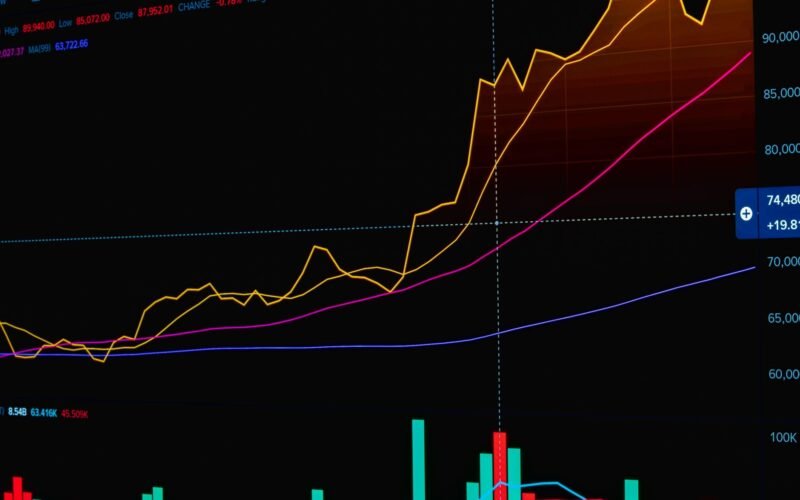
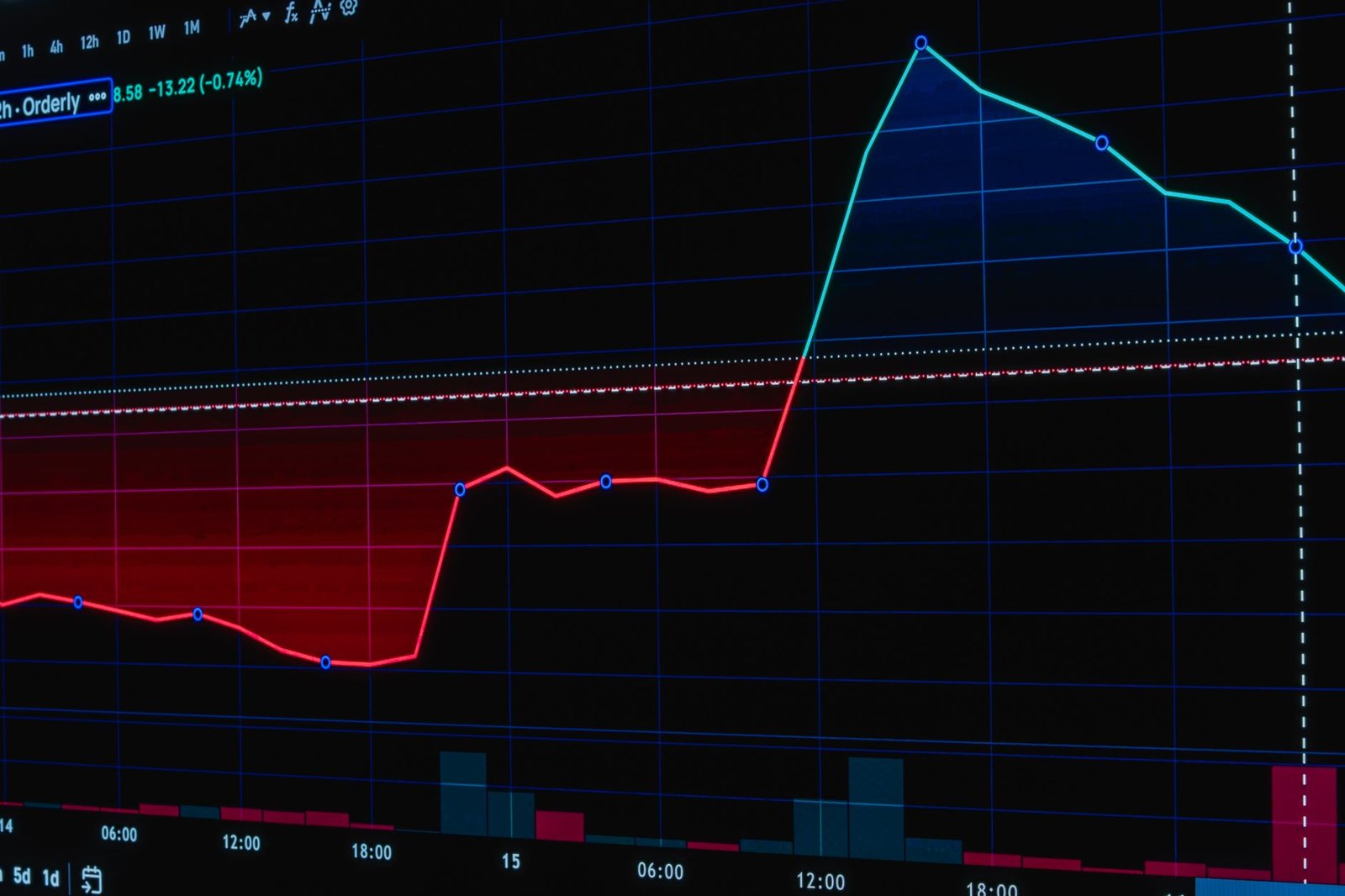
Fear and greed are fundamental human emotions that manifest intensely in the stock market, pushing investors to act against their own best interests. Fear, often triggered by negative news or market downturns, compels investors to sell assets prematurely to avoid further losses, even if the underlying fundamentals remain strong. Conversely, greed, fueled by rising prices and the fear of missing out (FOMO), can lead investors to buy assets at inflated prices or hold onto risky positions for too long, hoping for even greater profits. These two forces create a volatile cycle, influencing trading decisions and impacting overall portfolio performance.
How to Manage Fear and Greed in Stock Trading?
Managing the pervasive emotions of fear and greed requires a systematic and disciplined approach. It’s about developing an emotional resilience that allows you to stick to your investment plan even when market sentiment is swinging wildly. This involves a combination of psychological preparedness, strategic planning, and continuous self-assessment. By understanding the triggers and impact of these emotions, traders can implement practical techniques to maintain objectivity and make more rational, data-driven decisions rather than impulsive, emotionally charged ones.
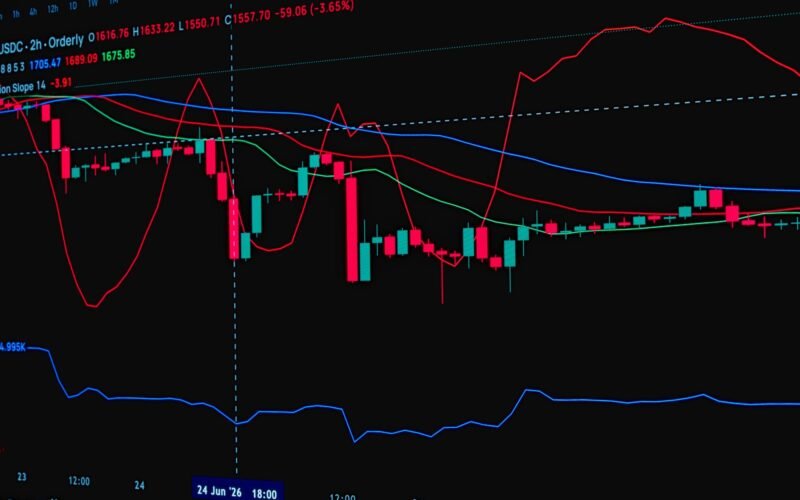
A key component of managing these emotions is developing a robust trading strategy. This strategy should be based on thorough research and analysis, not on market noise or speculative tips. Whether you employ technical analysis using tools like Moving Averages or RSI, or fundamental analysis focusing on company financials, having a predefined set of entry and exit criteria can act as a powerful psychological anchor. Tools like a TradingView indicator can help automate some of these signals, reducing the temptation for manual, emotional overrides.
The Psychology of FOMO (Fear of Missing Out)
FOMO is a powerful subset of greed that grips investors when they see others making significant profits. This can lead to chasing hot stocks without proper due diligence, entering positions at elevated prices, and ultimately buying at the top. The constant barrage of success stories on social media amplifies FOMO, making it a significant challenge for retail investors in India.
Understanding Market Cycles and Sentiment
Stock markets move in cycles, characterized by periods of optimism (greed) and pessimism (fear). Recognizing where the market might be in its cycle can provide context for current price movements. Sentiment indicators, often derived from news, social media, or survey data, can offer clues about the prevailing mood, but they should be used cautiously and never as the sole basis for trading decisions.
The Role of a Trading Plan
A well-defined trading plan is your best defence against emotional decision-making. It outlines your investment goals, risk tolerance, asset allocation strategy, and specific rules for buying and selling. Sticking to this plan, especially during volatile periods, ensures that your actions are aligned with your long-term objectives, not short-term emotional reactions.
How to Create and Stick to Your Trading Plan
- Define Your Financial Goals: Clearly articulate what you aim to achieve with your investments (e.g., retirement corpus, down payment for a house).
- Assess Your Risk Tolerance: Honestly evaluate how much loss you can psychologically and financially withstand.
- Choose Your Investment Strategy: Decide on your approach – value investing, growth investing, dividend investing, etc.
- Determine Asset Allocation: Decide the proportion of your capital to invest in different asset classes (equities, debt, gold).
- Set Entry and Exit Criteria: Establish specific conditions (e.g., price levels, technical indicators) for entering and exiting trades.
- Implement Risk Management Rules: Define stop-loss levels and position sizing to limit potential losses on any single trade.
- Regularly Review and Rebalance: Periodically review your portfolio’s performance and rebalance it to maintain your desired asset allocation.

The Fear & Greed Index: A Tool for Market Sentiment
While not available directly for Indian markets in a widely recognized format like its US counterpart, the concept of a Fear & Greed Index is invaluable. This hypothetical index aims to gauge market sentiment by analyzing various indicators, such as stock price momentum, stock price strength, breadth, put/call ratios, junk bond demand, and safe-haven demand. Typically, an extreme reading on either end (extreme fear or extreme greed) suggests the market might be due for a reversal. For Indian investors, understanding this concept helps in interpreting market behaviour, even if they have to create their own simplified version or follow global indices with caution.
Interpreting Extreme Fear
When market sentiment leans heavily towards extreme fear, it often signals that selling pressure may be overdone. This is the psychological state where panic selling occurs, potentially creating buying opportunities for disciplined investors who can look beyond the immediate negative sentiment and identify fundamentally sound assets at discounted prices.
Interpreting Extreme Greed
Conversely, extreme greed suggests that market exuberance might be reaching unsustainable levels. Euphoric markets driven by greed can be prone to sharp corrections. Investors exhibiting extreme greed may be buying assets with inflated valuations, increasing their risk of significant losses when the sentiment inevitably shifts.
Applying the Concept to Indian Markets
While a direct Fear & Greed Index for NSE/BSE is less common, Indian traders can observe broad market sentiment through: the Nifty/Sensex movement, Put-Call Ratios (PCR) on derivatives, Advance-Decline ratios, and the general tone of financial news and analyst commentary. Extreme readings in these can be early warning signs, prompting a review of one’s positions.
Strategies to Build Emotional Resilience
Building emotional resilience is an ongoing process that requires consistent effort and self-awareness. It’s about training your mind to detach from the immediate emotional responses and focus on long-term goals and well-reasoned strategies. This resilience is what separates consistently profitable traders from those who are often whipsawed by market volatility.
1. Focus on Process, Not Just Outcomes
Celebrate adherence to your trading plan and strategy, regardless of whether a particular trade was profitable or not. A well-executed trade, even if it results in a small loss due to unforeseen circumstances, is a success. Conversely, a profitable trade that resulted from a gamble or breaking your rules is a failure in the long run.
2. Educate Yourself Continuously
The more you understand about market dynamics, economics, and the companies you invest in, the less susceptible you will be to irrational fears or greedy impulses. Knowledge builds confidence and reduces reliance on speculative hunches. Resources from SEBI and NSE provide valuable educational material.
3. Practice Patience
Investing is a marathon, not a sprint. Patience allows you to wait for the right opportunities, ride out short-term volatility, and benefit from the power of compounding. Impatience often leads to premature buying or selling.
4. Diversify Your Portfolio
Diversification across different asset classes and within asset classes helps mitigate risk. When one part of your portfolio is underperforming, others may be performing well, providing a psychological buffer against extreme fear or greed focused on a single asset.
5. Keep a Trading Journal
Documenting every trade—the rationale, entry/exit points, emotional state, and outcome—is crucial. Reviewing this journal helps identify recurring emotional patterns and mistakes, allowing for targeted improvement.

Frequently Asked Questions
What is the main emotional conflict in stock markets?
The primary emotional conflict stems from the interplay of fear and greed, which compels investors to make irrational decisions—selling during panics (fear) and buying exuberantly (greed), often at the wrong times.
How does fear impact investment decisions?
Fear triggers panic selling, causing investors to exit positions at losses, often missing out on subsequent recoveries. It amplifies the perception of risk and can lead to overly conservative or risk-averse behaviour.
How does greed impact investment decisions?
Greed fuels FOMO (Fear of Missing Out), leading investors to chase rising stocks, buy at inflated prices, or hold onto speculative assets too long, increasing the risk of substantial losses when market sentiment shifts.
Can a Fear & Greed Index be used in India?
While a single, official index for India is uncommon, the concept can be applied by observing market sentiment through indicators like the Put-Call Ratio, Advance-Decline data, and overall market news flow.
What is the best way to control emotions while trading?
The best way is to have a strict trading plan, practice discipline, focus on process over outcome, continuously educate oneself, and maintain patience, using tools and strategies to remain objective.
How important is a trading journal for emotional control?
A trading journal is vital as it helps identify patterns in emotional trading and decision-making mistakes, enabling focused self-improvement and greater discipline over time.
Key Takeaways
- Fear and greed are powerful, often irrational, drivers of stock market behaviour.
- Understanding market cycles and sentiment is crucial, but should not dictate decisions alone.
- A well-defined trading plan with clear entry/exit rules is the best defence against emotional trading.
- Focusing on the trading process and disciplined execution is more important than short-term outcomes.
- Continuous education, patience, and diversification build emotional resilience.
- Keeping a trading journal helps in recognizing and correcting emotional trading patterns.
- Adopting a long-term perspective helps to mitigate the impact of short-term market volatility.
Disclaimer: Investing in the stock market involves risks. Please consult with a SEBI-registered financial advisor before making any investment decisions.





 Finovatives