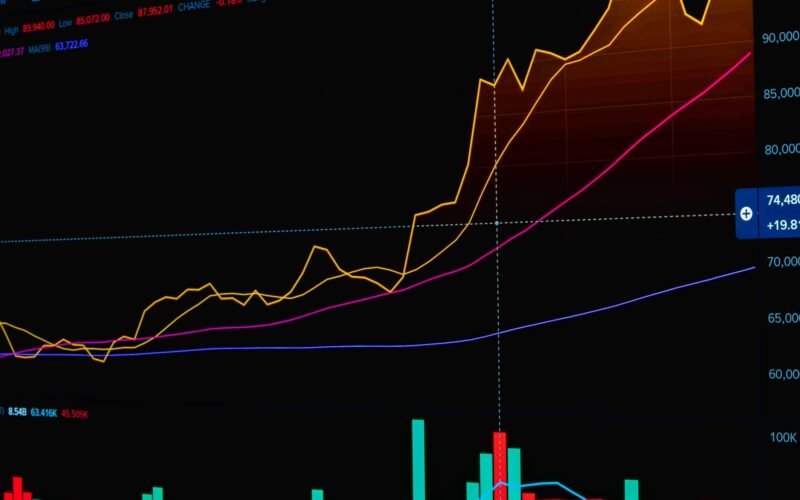



TL;DR: Indian stock market cycles on BSE and NSE are predictable patterns of expansion and contraction, typically divided into four phases: accumulation, markup, distribution, and markdown; identifying these phases allows traders to make informed decisions and align their strategies for potential gains.
Key Stats at a Glance:
- Nifty 50 has historically delivered an average annual return (CAGR) of over 12% across different market cycles.
- BSE Sensex completed its first century in 2007, highlighting long-term market growth despite cyclical downturns.
- The average duration of a bull market cycle in India can range from 3 to 7 years, while bear markets typically last 6 months to 2 years.
- Over 7,000+ unique investors participated in the Indian stock market as of FY23, indicating growing retail interest across market phases.
What are Market Cycles in the Indian Stock Market?
Market cycles in the Indian stock market refer to the recurring, yet not perfectly predictable, patterns of price movements characterized by periods of rising prices (bull markets) and falling prices (bear markets), driven by shifts in investor sentiment, economic conditions, and corporate performance on exchanges like the BSE and NSE.
Understanding the Four Phases of a Market Cycle
Every market cycle, whether on the BSE or NSE, can be broadly understood through four distinct phases, each with its unique characteristics and implications for traders and investors. Recognizing these phases is key to adapting your trading strategy.

1. Accumulation Phase
This is the bottoming out phase. After a significant decline, smart money, or institutional investors, begin to cautiously buy assets at perceived low prices. Demand starts to outweigh supply, but prices may remain stagnant or move sideways as selling pressure gradually diminishes. This phase often occurs when public sentiment is at its most negative.
2. Markup Phase (Bull Market)
As accumulation continues and positive news begins to emerge, sentiment shifts. This phase is characterized by rising prices, increasing trading volumes, and growing investor confidence. This is the primary growth period where most investors aim to participate, driven by optimism and the momentum of rising prices. Trend traders typically thrive here.
3. Distribution Phase
This is the topping out phase. As prices reach new highs and euphoria sets in among retail investors, smart money begins to sell their holdings, distributing them at elevated prices. Trading volumes may remain high, but the upward momentum slows, and prices start to move sideways or show signs of topping out. This is where caution is paramount.
4. Markdown Phase (Bear Market)
Following distribution, selling pressure increases significantly, leading to a decline in prices. This phase is characterized by fear, negative sentiment, and declining trading volumes as investors exit their positions. This is the period of decline, often accompanied by economic slowdowns or negative corporate earnings, where defensive strategies are often employed.
How to Identify Market Cycles on BSE and NSE?
Identifying market cycles requires a combination of technical and fundamental analysis, focusing on price action, volume, economic indicators, and investor sentiment. While perfect prediction is impossible, several tools and indicators can help traders and investors gauge the current phase of the cycle on exchanges like the BSE and NSE.
Using Technical Indicators
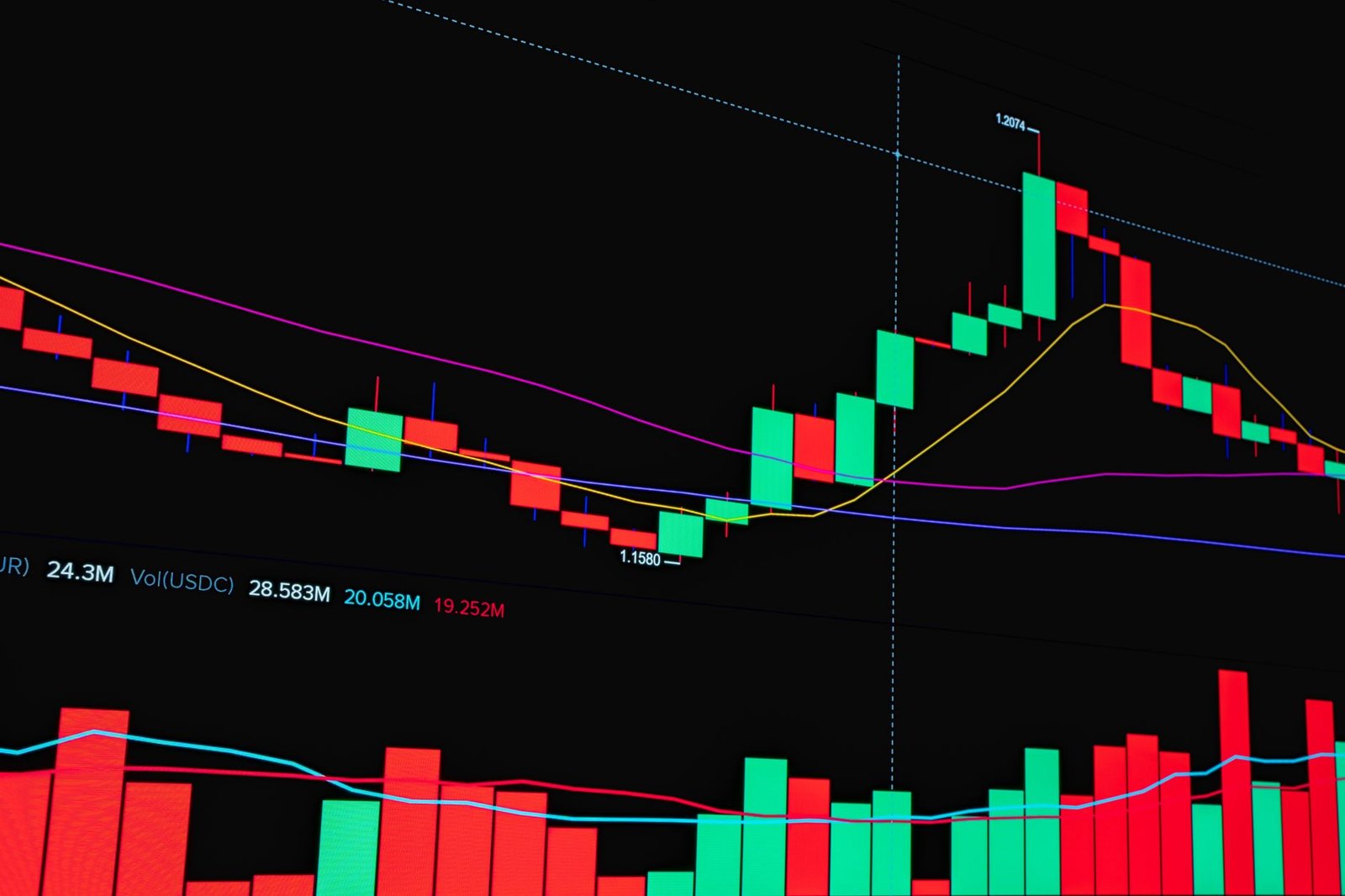
Technical analysts use tools like moving averages (e.g., 50-day, 200-day), Relative Strength Index (RSI), MACD, and Bollinger Bands to identify trends and potential turning points. For instance, a sustained price movement above the 200-day moving average often signals a markup phase, while crossing below it can indicate a markdown phase. Observing divergences between price and indicators can also signal potential distribution or accumulation.
Monitoring Economic and Fundamental Data
The Reserve Bank of India (RBI) policies, government budgets, inflation rates, GDP growth, and corporate earnings reports provide fundamental insights into the economy’s health, which directly impacts market cycles. A hawkish RBI stance might precede a slowdown, while positive GDP growth often fuels a markup phase.
Gauging Investor Sentiment
Investor sentiment can be gauged through various means, including news flow, social media trends, and sentiment indices like the India VIX (Volatility Index). Extreme optimism often coincides with distribution, while extreme pessimism can signal accumulation. A rising VIX generally indicates fear and uncertainty, common in markdown phases.
Strategies for Trading Different Market Cycles
Adapting your trading strategy to the prevailing market cycle is essential for profitability and risk management on the BSE and NSE. What works in a bull market might fail miserably in a bear market.
Strategies for Accumulation & Distribution Phases
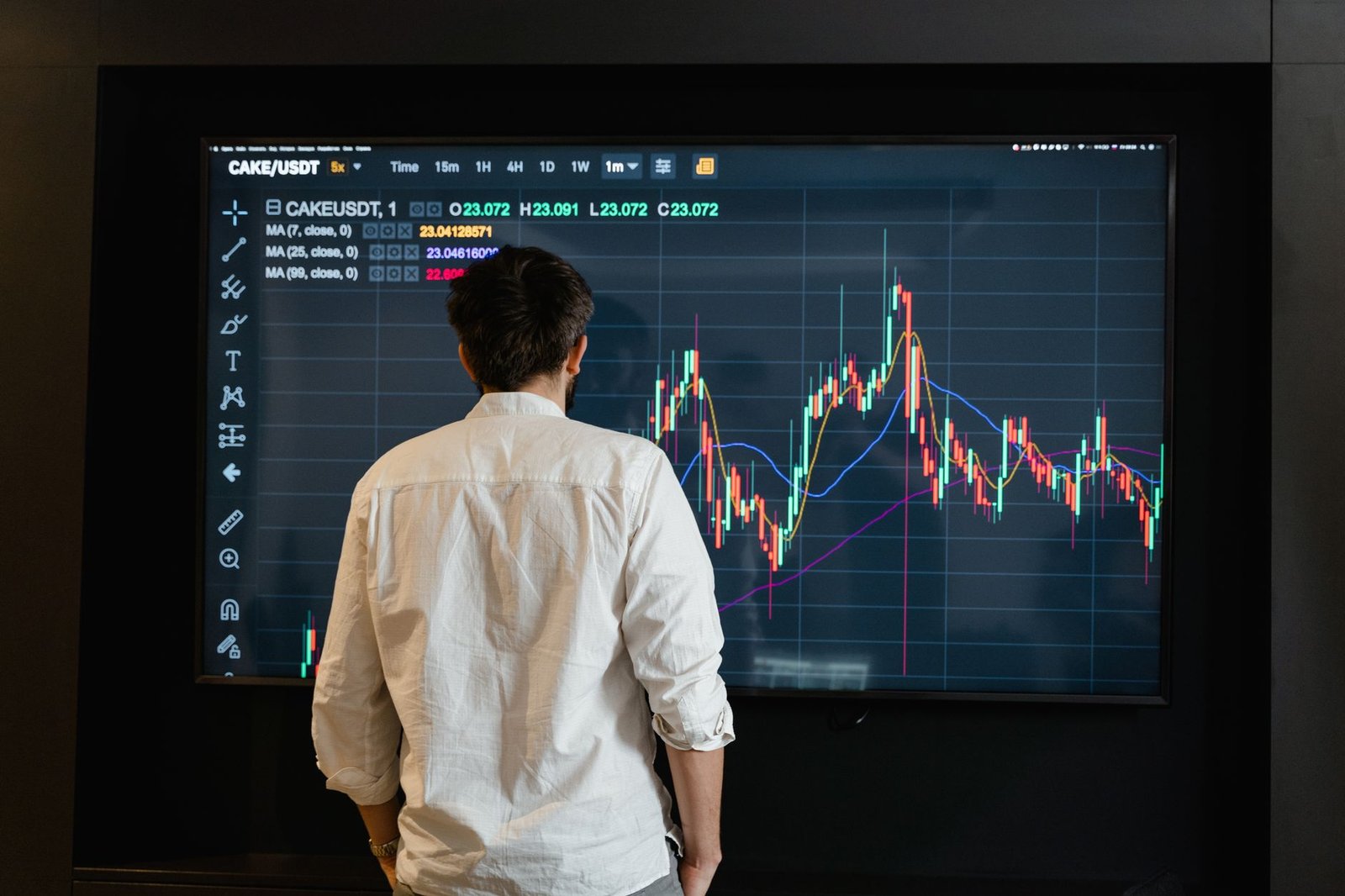
During accumulation, patient investors might look for value stocks at discounted prices, expecting a future upturn. Short-term traders might focus on range-bound trading strategies within the sideways movement. In the distribution phase, traders might look for shorting opportunities as prices start to falter or reduce their long exposure to lock in profits.
Strategies for Markup (Bull) Phases
This is the phase for trend-following. Buy-and-hold strategies, momentum trading, and investing in growth stocks are typically effective. Using trailing stop-losses helps protect profits as the uptrend progresses. Many traders find our advanced TradingView indicator, the Trend Traders Tool, particularly useful during these sustained upward movements.
Strategies for Markdown (Bear) Phases
In a bear market, capital preservation is key. Strategies include short-selling, investing in defensive stocks (like FMCG or pharmaceuticals), or moving to safer assets like bonds. Option strategies like buying put options can also provide downside protection or profit. For those seeking to understand short-term moves, analysing price action on smaller timeframes is crucial.
How to Trade Market Cycles Effectively
- Understand the Current Phase: Use technical indicators (moving averages, RSI) and fundamental data (economic news, earnings) to determine where you are in the current market cycle.
- Align Your Strategy: Choose a trading strategy that suits the identified phase. Trend-following for markup, value investing or cautious accumulation for accumulation, defensive plays or shorting for markdown, and profit-taking or short-selling for distribution.
- Risk Management is Key: Implement strict stop-losses regardless of the market phase. In bull markets, use trailing stops; in bear markets, protect capital. Always manage your position size appropriately.
- Stay Informed: Continuously monitor economic news, RBI announcements, government policies, and global market trends that can influence the direction and duration of market cycles.
- Adaptability is Crucial: Market cycles are not static. Be prepared to adjust your strategy as the market transitions from one phase to another. Avoid emotional decision-making.
- Focus on Long-Term Trends: While short-term trading is possible in all phases, understanding the broader cycle helps in making more robust long-term investment decisions, as evidenced by the historical performance of the Nifty 50 and BSE Sensex.
The Role of Investor Psychology
Investor psychology plays a significant role in driving market cycles. Greed often fuels the markup phase, pushing prices higher than fundamentals might justify, while fear dominates the markdown phase, causing assets to be oversold. Recognizing these emotional extremes can help traders avoid common pitfalls. For example, buying during widespread panic (accumulation) or selling during euphoric rallies (distribution) often leads to better outcomes than succumbing to herd mentality.
Frequently Asked Questions
How long do market cycles typically last in India?
Market cycle durations vary. Bull markets on the NSE and BSE can last from 3 to 7 years, while bear markets are often shorter, ranging from 6 months to 2 years. However, these are averages, and individual cycles can deviate significantly.
Can you predict the exact end of a market cycle?
No, predicting the exact top or bottom of a market cycle is nearly impossible. Traders and investors aim to identify the phase and anticipate potential turns using a combination of technical and fundamental analysis, rather than precise prediction.
Which phase is best for long-term investors?
Long-term investors often find the accumulation phase most attractive for buying quality assets at lower prices, anticipating future growth. However, disciplined investing through SIPs (Systematic Investment Plans) during any phase can average out costs over time.
Is technical analysis enough to trade market cycles?
Technical analysis is a powerful tool for identifying potential cycle phases and trends, but it’s most effective when combined with fundamental analysis and an understanding of investor psychology. Relying solely on one aspect can be risky.
What is the current market cycle phase in India?
Determining the current phase requires up-to-the-minute analysis of market data, economic indicators, and global events. Finovatives.com and its tools can assist traders in analysing these factors to form their own conclusions.
How does SEBI regulate market cycles?
SEBI doesn’t directly regulate the natural ebb and flow of market cycles, which are driven by supply, demand, and sentiment. However, SEBI enforces regulations to ensure market integrity, transparency, and fair practices, which indirectly contribute to market stability.
Key Takeaways:
- Market cycles on BSE and NSE consist of four phases: accumulation, markup, distribution, and markdown.
- Identifying these phases helps traders adapt their strategies for better risk-management and potential profit.
- Technical indicators, economic data, and investor sentiment are crucial for gauging the current market cycle phase.
- Trend-following is effective in markup phases, while caution and capital preservation are vital in markdown phases.
- Investor psychology significantly influences market movements, with greed and fear often driving extremes.
- Adaptability and disciplined risk management are paramount for navigating market cycles successfully.
Investing in the stock market involves risks, including the potential loss of principal. Past performance is not indicative of future results.




 Finovatives