

TL;DR: Setting a stop loss order in Indian markets involves defining a predetermined price level at which a losing trade will be automatically closed to limit potential losses, acting as a vital risk management tool.
Key Stats at a Glance:
- Nifty 50 experienced an average volatility of ~15% in 2023.
- Over 90% of retail traders reportedly incur losses in stock market trading.
- NSE turnover in the F&O segment averaged ₹250+ Lakh Crore monthly in 2023.
- BSE SME platform has listed over 500 companies by early 2024.
What is a Stop Loss Order?
A stop loss order is an instruction given to your broker to automatically sell a security when it reaches a specified price, thereby limiting your potential loss on a trade.
In the context of Indian stock exchanges like the NSE and BSE, a stop loss order acts as a safety net. When you buy a stock at ₹100 and set a stop loss at ₹95, your broker will automatically place a sell order if the stock price falls to ₹95 or below. This prevents a small dip from turning into a significant loss, especially in fast-moving markets.
Why Use Stop Loss Orders in Indian Markets?
The primary reason to use stop loss orders is to protect your trading capital from significant downturns and emotional decision-making.
The Indian stock market, while offering immense growth potential, can be highly volatile. Factors like global economic events, domestic policy changes, and corporate news can cause sharp price movements. Without a stop loss, a trader could face substantial losses that could take a long time to recover. Furthermore, when faced with rapidly falling prices, emotions like fear and panic can lead to poor decisions. A stop loss order removes the need for real-time emotional intervention, ensuring disciplined exit from a losing position.
Managing Emotional Trading
Emotions like greed and fear are detrimental to successful trading. A stop loss order enforces discipline by pre-determining your exit point, removing the psychological burden of making a split-second decision during a market downturn. It helps traders stick to their trading plan, regardless of market noise.
Capital Preservation
Your primary goal as a trader or investor should be to preserve your capital. A stop loss is the most fundamental tool for this. By limiting your losses on any single trade to a pre-defined percentage of your capital (e.g., 1-2%), you ensure that a few bad trades don’t wipe out your entire investment. SEBI guidelines also indirectly encourage risk management practices, which stop loss orders facilitate.
Automating Risk Control
Stop loss orders automate the process of risk control. Once set, they remain active until triggered or manually changed. This allows traders to manage multiple positions simultaneously without constant monitoring, which is particularly useful for those who cannot watch the market screens all day. This automation is a key feature offered by advanced platforms like Finovatives, providing TradingView indicators that can help in setting more informed stop-loss levels.
How to Set an Effective Stop Loss
Setting a stop loss isn’t just about picking a random number; it requires a strategic approach based on market analysis and risk tolerance.
The effectiveness of a stop loss order hinges on its placement. If placed too tight, it might get triggered by normal market fluctuations (noise), leading to premature exit from a potentially good trade. If placed too wide, it might not adequately protect your capital from significant price drops. Therefore, careful consideration is needed.
Determine Your Risk Tolerance
Before placing any trade, you must decide how much capital you are willing to risk on that particular trade. A common rule of thumb is to risk no more than 1-2% of your total trading capital on a single trade. For example, if you have ₹1,00,000 in your trading account, you might decide to risk no more than ₹1,000 – ₹2,000 per trade. This dictates the maximum allowable loss, and hence influences your stop loss placement.
Analyze the Stock’s Volatility and Support/Resistance Levels
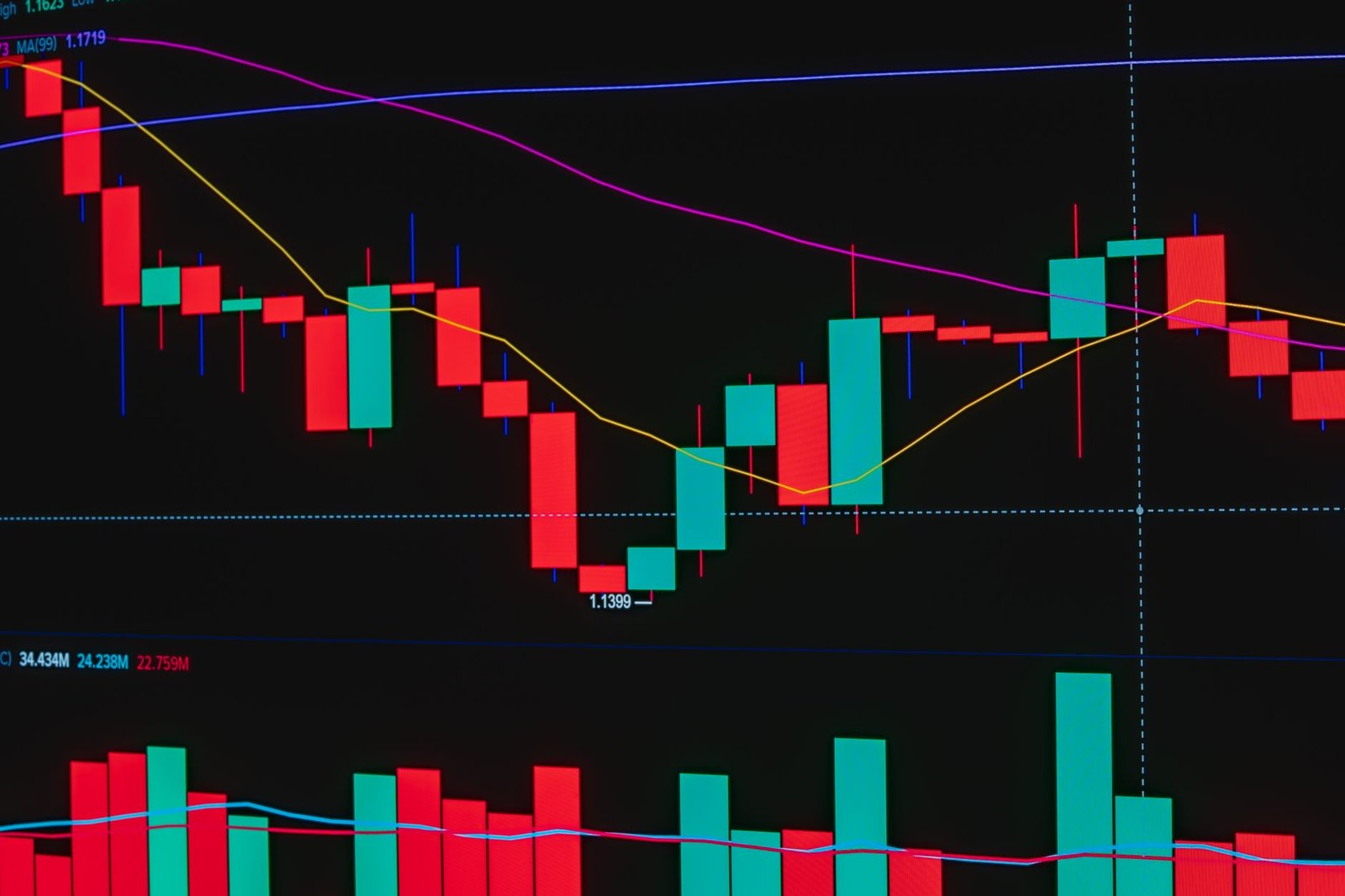
A deeper analysis involves looking at the stock’s historical price action. Support levels (prices where buying interest historically overcomes selling pressure) are often good candidates for placing a stop loss. For instance, if a stock is trading at ₹150 and has strong support at ₹140, you might place your stop loss slightly below ₹140, say at ₹138, to give it some breathing room but still ensure protection.
Conversely, resistance levels (prices where selling interest historically overcomes buying pressure) can inform entry points and potential profit targets.
Consider Different Stop Loss Strategies
There are several types of stop loss strategies traders employ:
- Fixed Percentage Stop Loss: Setting a stop loss at a fixed percentage below your entry price (e.g., 5% or 10%).
- Support/Resistance Based Stop Loss: Placing the stop loss just below a significant support level.
- Volatility-Based Stop Loss (ATR): Using the Average True Range (ATR) indicator to set a stop loss that adjusts dynamically to the stock’s current volatility. A common approach is to place the stop loss 1.5x or 2x the ATR below the entry price.
- Moving Average Stop Loss: Using a key moving average (like the 50-day or 200-day MA) as a dynamic stop loss level. The stop loss is placed below the chosen moving average.
Avoid Common Mistakes
Common pitfalls include placing stop losses too close to the entry price, moving the stop loss further away when the trade goes against you (which is a cardinal sin in trading), and not using stop losses at all. Always place your stop loss at the time of entering the trade.
How to Set a Stop Loss Order on Popular Indian Trading Platforms:
- Log in to your trading account: Access your account on your broker’s website or mobile app.
- Select the stock: Choose the stock you want to trade and click on the ‘Buy’ or ‘Sell’ option.
- Enter order details: Specify the quantity and the market price (for market orders) or your desired entry price (for limit orders).
- Choose ‘Stop Loss’ order type: Select ‘Stop Loss (SL)’ or ‘Stop Loss Limit (SL-L)’ from the order type dropdown.
- Set the Trigger Price: This is the price that, when hit, activates your sell order. For a stop loss, this will be your predetermined exit level (e.g., ₹95 if you bought at ₹100 and want to exit at ₹95).
- Set the Limit Price (for SL-L orders): If you chose ‘Stop Loss Limit’, you also need to set a limit price. This is the minimum price at which you are willing to sell. For example, trigger price ₹95, limit price ₹94.50 means if the stock hits ₹95, a sell order is placed at a limit of ₹94.50. This offers more control but risks the order not getting filled if the price drops sharply past your limit. For a standard stop-loss (SL-M, often just called SL), it becomes a market order once triggered.
- Review and Confirm: Double-check all details, including the trigger price and quantity, before submitting the order.

Trailing Stop Losses: An Advanced Technique
A trailing stop loss is a dynamic stop loss that moves in your favour as the price of the security increases, but stays put or moves against you if the price decreases.
This is particularly useful when you are in a profitable trade and want to lock in some gains while still allowing the trade to run. Unlike a fixed stop loss, a trailing stop loss adjusts automatically, ensuring that you don’t give back all your profits if the market reverses. For instance, if you buy a stock at ₹200 and set a trailing stop loss of 10% (or ₹20), your initial stop loss is ₹180. If the stock price rises to ₹220, the trailing stop loss automatically moves up to ₹200 (₹220 – 10%). If the price then falls to ₹210, your stop loss remains at ₹200, protecting your unrealized gains. If the price continued to rise to ₹250, the stop loss would adjust to ₹225. This strategy helps maximise profits in trending markets.
Benefits of Trailing Stops
The main benefit is locking in profits. As the stock price moves favourably, the trailing stop loss ensures that a portion of the gains are secured. It also allows a profitable trade to continue running as long as the trend persists, potentially leading to much larger profits than a fixed stop loss would allow. Many sophisticated trading tools, like those found on Finovatives, offer advanced charting features and indicators that can assist in setting and managing trailing stop losses more effectively.
When to Use Trailing Stops
Trailing stop losses are best suited for trending markets, where prices move consistently in one direction for an extended period. They are less effective in choppy or range-bound markets where prices oscillate frequently, as they can lead to premature exits.
Frequently Asked Questions
What is the difference between a Stop Loss Market (SL-M) and Stop Loss Limit (SL-L) order?
An SL-M order becomes a market order once the trigger price is hit, executing at the best available price. An SL-L order becomes a limit order once the trigger price is hit, executing only at the specified limit price or better. SL-M offers certainty of execution but not price; SL-L offers certainty of price but not execution.
Can a stop loss order be placed below the market price for short selling?
Yes, when short selling, a stop loss order is placed *above* the market price. It acts as a ‘buy to cover’ order that gets triggered if the stock price rises, limiting your loss.
Should I always use a stop loss?
For most short-term traders, using a stop loss is highly recommended as a fundamental risk management tool. Long-term investors with a very high conviction and a long time horizon might choose not to use them, but they must be prepared for potential significant drawdowns.
How far below the entry price should I set my stop loss?
This depends on the stock’s volatility, your risk tolerance, and the trading strategy. A common range is 5-10% for swing trades, but it can vary. Analyzing support/resistance levels or using ATR are more scientific methods than arbitrary percentages.
What happens if the market gaps up or down past my stop loss price?
If the market ‘gaps’ past your stop loss price, your order will be executed at the first available price once the market opens or resumes trading. For SL-M orders, this means you could get a worse price than your trigger price. For SL-L orders, if the gap is beyond your limit price, your order may not be filled.
Key Takeaways
- Stop loss orders are essential for capital preservation and disciplined trading in the Indian stock market.
- They protect traders from significant losses by automatically exiting a trade at a predetermined price level.
- Effective stop loss placement involves analyzing market volatility, support/resistance levels, and your risk tolerance.
- Common strategies include fixed percentage, support/resistance based, and volatility-based stops.
- Trailing stop losses are useful for locking in profits in trending markets.
- Always set your stop loss when entering a trade and avoid moving it further away if the trade goes against you.
- Understand the difference between SL-M and SL-L orders to choose the one that best suits your needs.
Trading and investing in the stock market involve significant risk of loss and is not suitable for all investors. The information provided is for educational purposes only and should not be considered financial advice.




 Finovatives