

TL;DR: Market indices like the Nifty 50, Sensex, and Bank Nifty are vital indicators that track the performance of a group of stocks, representing broader market trends and sector-specific movements in India, helping investors gauge market sentiment and identify trading opportunities.
Key Stats at a Glance:
- Nifty 50 comprises 50 large-cap Indian companies listed on the NSE.
- Sensex comprises 30 large-cap Indian companies listed on the BSE.
- Bank Nifty comprises 12 most liquid and large Indian banking stocks listed on the NSE.
- The Nifty 50 Index has historically delivered an average annual return (CAGR) of around 12-14% over the long term (past 10-15 years).
- As of December 2023, the NSE had over 4,000 listed companies across various segments.
What are Market Indices?
Market indices are statistical measures that track the performance of a specific segment of the stock market, such as a particular sector or the entire market. They act as benchmarks, providing a snapshot of market sentiment, economic health, and the collective performance of constituent companies.
Think of them as a barometer for the stock market. When an index goes up, it generally means the market, or the specific sector it represents, is doing well. Conversely, when it goes down, it suggests a general decline. For Indian investors, the most popular indices are the Nifty 50 and the Sensex, representing the broader equity market, and specialized indices like the Bank Nifty for the banking sector.
Why are Indices Important for Traders?
Indices are indispensable tools for traders and investors. They help in understanding market trends, making investment decisions, benchmarking portfolio performance, and developing trading strategies. For instance, a trader might use a TradingView indicator that is based on the Nifty 50 to identify potential entry and exit points. The performance of an index can also influence investor confidence and capital flows into the market.
Understanding the Nifty 50
The Nifty 50 is the benchmark equity market index of the National Stock Exchange of India (NSE), representing the weighted average of 50 of the largest Indian companies listed on the exchange. It is managed by India Index Services and Products Ltd. (IISL), a joint venture between NSE and CRISIL.
How is the Nifty 50 Constructed?
The Nifty 50 is a free-float market capitalization-weighted index. This means that companies with higher market values (market capitalization) and those more readily available to public investors (free float) have a greater influence on the index’s movement. The selection criteria for companies include liquidity, free-float market capitalization, and sector representation, ensuring it reflects a broad spectrum of the Indian economy.
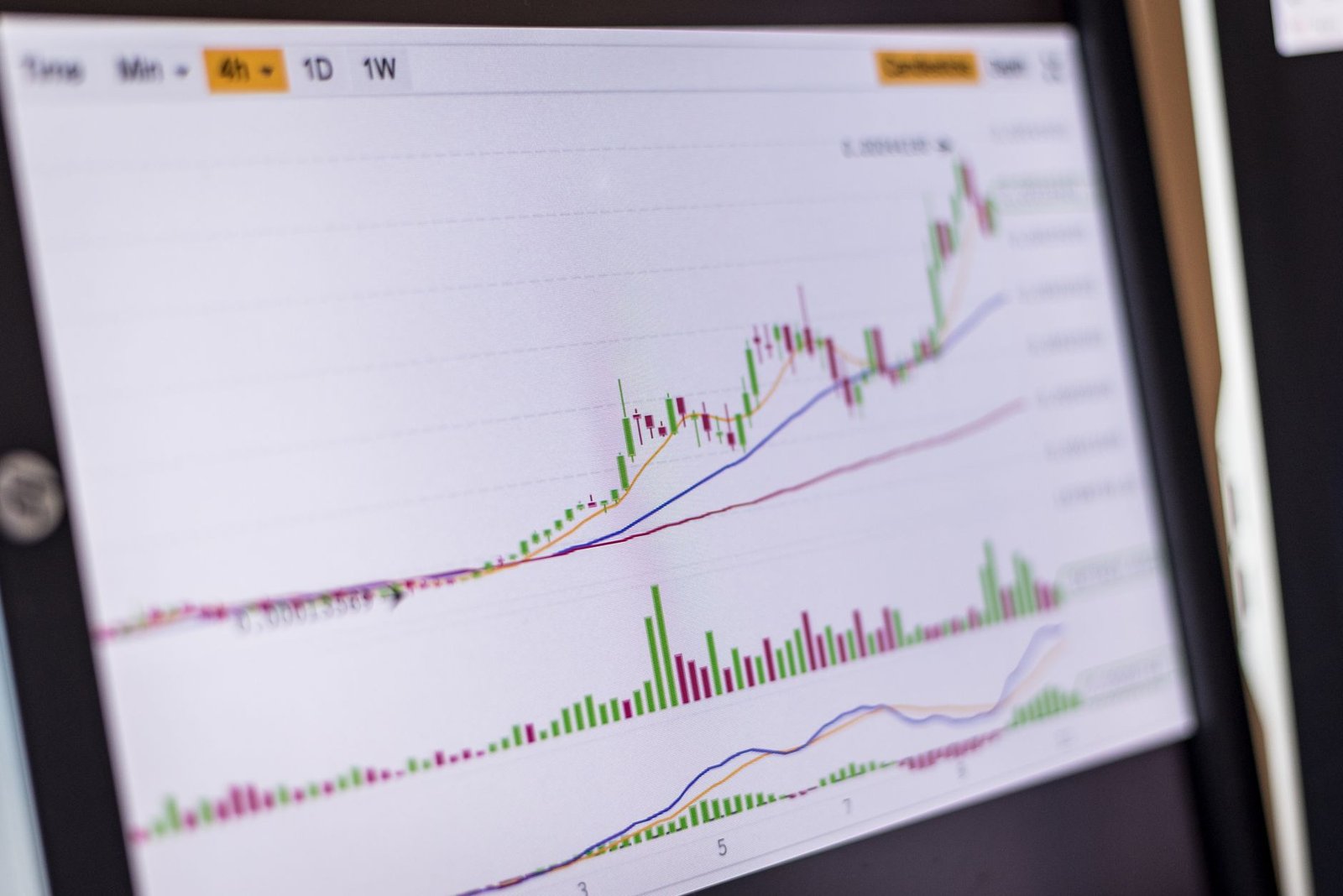
The index is reviewed semi-annually to ensure its constituents remain representative of the market. Companies are added or removed based on predefined criteria, ensuring the Nifty 50 continues to be a relevant and dynamic indicator of the Indian equity market’s performance.
Nifty 50 Performance and Trading
The Nifty 50 is the most widely followed index in India, and its movements are closely watched by investors, analysts, and policymakers. Derivatives like futures and options are heavily traded on the Nifty 50, making it a crucial index for active traders. Many investors also use index funds or Exchange Traded Funds (ETFs) that track the Nifty 50 to gain diversified exposure to the Indian stock market.
Deciphering the Sensex
The Sensex (BSE Sensitive Index) is the benchmark index of the Bombay Stock Exchange (BSE), India’s oldest stock exchange. It comprises 30 well-established, financially sound companies across diverse sectors, representing a significant portion of the total market capitalization of the BSE.
Sensex vs. Nifty 50: Key Differences
While both Sensex and Nifty 50 are broad market indices, they differ in their exchange of listing (BSE for Sensex, NSE for Nifty 50) and the number of constituent stocks (30 for Sensex, 50 for Nifty 50). The calculation methodology is also slightly different; Sensex is a price-weighted index (though adjustments are made for free float), while Nifty 50 is market-cap weighted. Historically, both indices have shown similar long-term performance trends, but their day-to-day movements can diverge slightly due to their different constituents and weighting schemes.
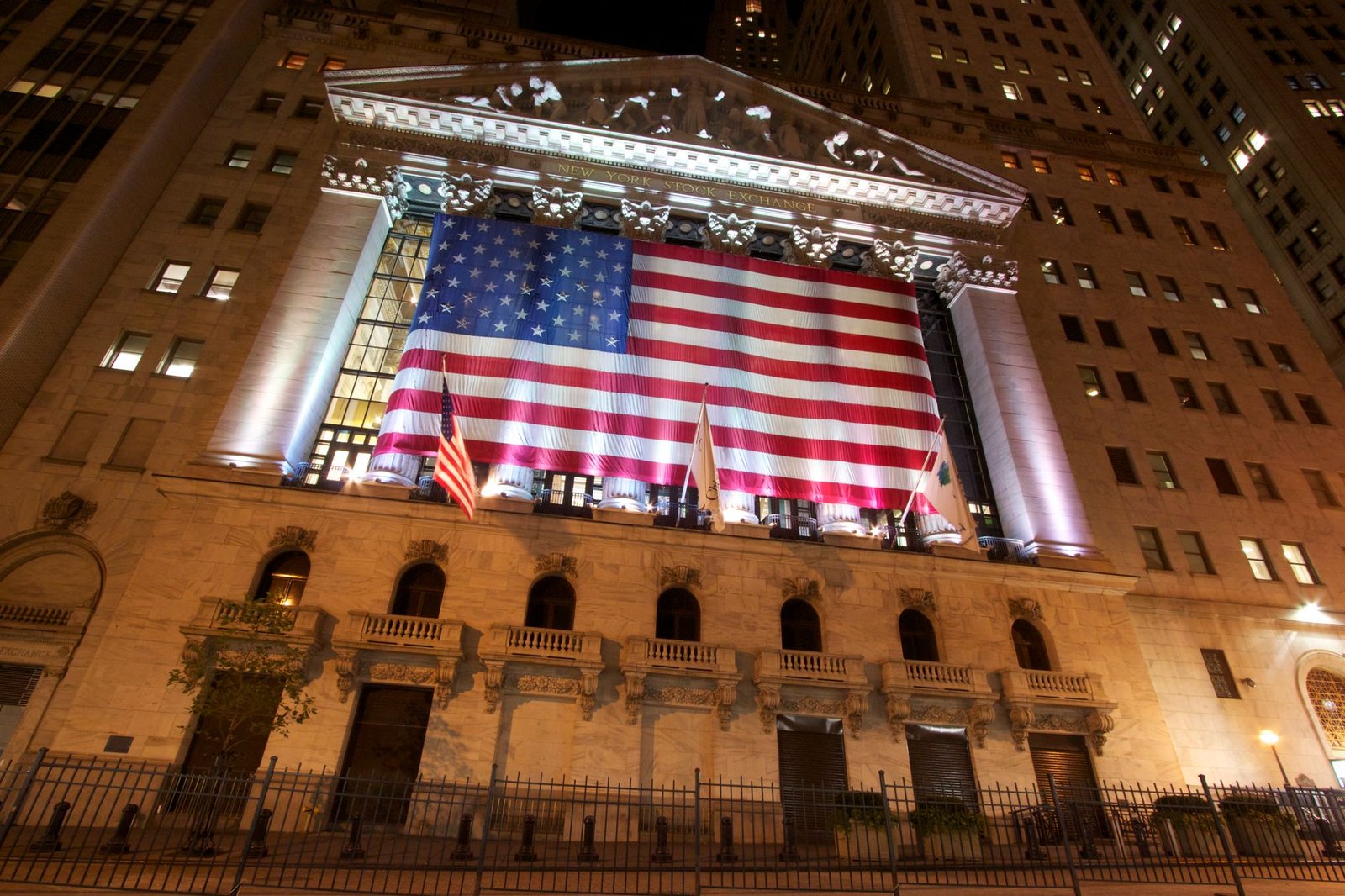
The BSE also maintains several other indices, but the Sensex remains its most prominent and widely recognized benchmark, reflecting the performance of India’s leading companies.
Trading the Sensex
Like the Nifty 50, the Sensex is also a popular underlying for derivatives trading, including futures and options. Investors can also gain exposure to the Sensex through index funds and ETFs. Its historical data provides valuable insights into the long-term growth trajectory of the Indian economy and its leading corporations.
Exploring the Bank Nifty
The Bank Nifty is a sectoral index of the National Stock Exchange (NSE) that represents the performance of the banking sector. It comprises 12 of the most liquid and large Indian banking stocks listed on the NSE, providing a focused view on the health and direction of India’s financial institutions.
Why is Bank Nifty Significant?
The banking sector is a cornerstone of any economy, and the Bank Nifty’s performance is often seen as a leading indicator of economic health. Its movements can be influenced by interest rate policies of the Reserve Bank of India (RBI), regulatory changes, and the overall credit growth in the economy. For traders, the Bank Nifty offers significant opportunities due to its volatility and liquidity, especially in its derivatives segment.
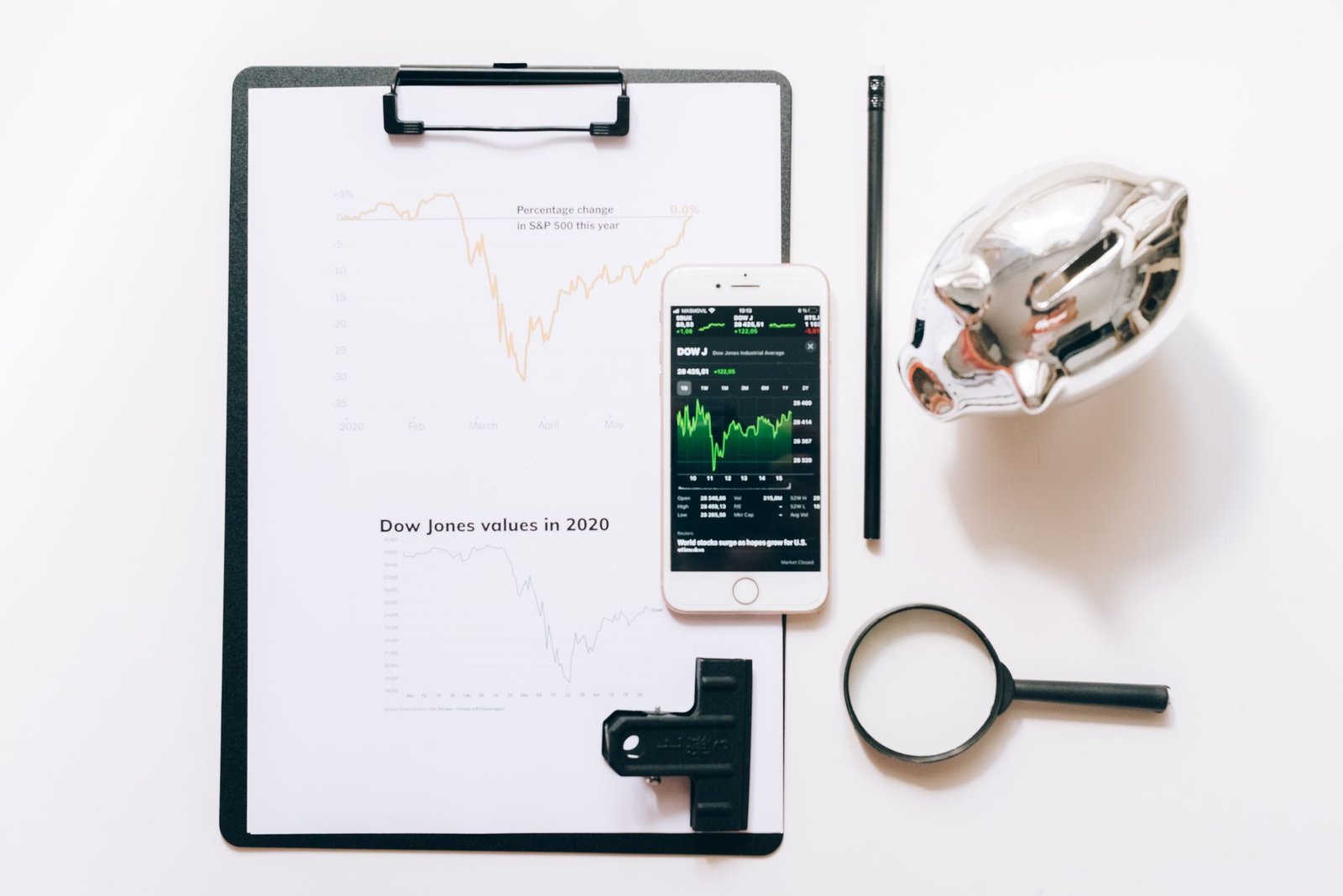
High trading volumes in Bank Nifty futures and options make it a favorite among short-term traders looking to capitalize on price swings. Understanding the factors affecting banks, such as Net Interest Margins (NIMs), Non-Performing Assets (NPAs), and regulatory frameworks, is crucial for successful Bank Nifty trading.
Trading Strategies for Bank Nifty
Given its volatility, specific trading strategies are often employed for the Bank Nifty. These might include swing trading, positional trading, or even day trading, often enhanced by specialized tools like the Trend Traders Tool. Traders closely monitor banking sector news, RBI announcements, and macroeconomic indicators that could impact bank profitability and stock prices.
How to Use Market Indices in Your Trading
Market indices are not just for passive observation; they are powerful tools that can be integrated into your active trading strategies. By understanding how indices work, you can make more informed decisions, manage risk better, and potentially enhance your returns.
- Gauge Market Sentiment: Use the Nifty 50 or Sensex movements to understand the overall bullish or bearish sentiment in the market. A rising index suggests positive sentiment, while a falling one indicates caution.
- Sectoral Analysis: If you are interested in a specific sector like banking, the Bank Nifty provides a focused view. Compare its performance against broader indices to identify sector-specific trends.
- Benchmarking: Compare the performance of your own portfolio or individual stock picks against relevant indices. This helps you assess whether your investments are outperforming or underperforming the market.
- Identify Trading Opportunities: Look for divergences between individual stocks and the index, or use index futures/options for directional bets. Tools that analyze index trends can be particularly helpful here.
- Risk Management: Understand that significant movements in major indices can impact your entire portfolio. Use index levels as a reference for setting stop-losses or making portfolio adjustments.
- Economic Indicator: Track index performance over time as an indicator of economic growth and investor confidence in India.
Frequently Asked Questions
What is the primary difference between Nifty 50 and Sensex?
The Nifty 50 is the benchmark index of the NSE with 50 stocks, while the Sensex is the benchmark index of the BSE with 30 stocks. Both represent large-cap Indian companies but are listed on different exchanges and have slightly different weighting methodologies.
How do I invest in market indices?
You can invest in market indices through index funds, Exchange Traded Funds (ETFs) that track the index, or by trading index derivatives like futures and options. Some platforms also offer index-based investment products.
Is Bank Nifty more volatile than Nifty 50?
Yes, the Bank Nifty is generally considered more volatile than the Nifty 50 due to the inherent nature of the banking sector, which is sensitive to interest rate changes, regulatory policies, and economic cycles.
Can retail investors trade index futures and options?
Yes, retail investors can trade index futures and options, but these instruments carry significant risk and require a good understanding of market dynamics and risk management. It is advisable to start with a small capital and seek expert advice.
What factors influence the Nifty 50 the most?
The Nifty 50 is most influenced by the performance of its top constituents, macroeconomic factors like inflation and interest rates, global market trends, corporate earnings, and government policies. Its free-float market capitalization weighting means larger companies have a greater impact.
How often are index constituents reviewed?
Major indices like the Nifty 50 and Sensex are typically reviewed semi-annually by their respective index providers to ensure they accurately reflect the current market and sector representation.
Key Takeaways:
- Nifty 50 and Sensex are broad market indices, while Bank Nifty is a sectoral index for banking.
- Indices serve as crucial benchmarks for market performance and investor sentiment.
- Nifty 50 is free-float market-cap weighted, while Sensex is primarily price-weighted (with adjustments).
- Bank Nifty’s volatility makes it attractive for derivatives traders, but it requires careful analysis.
- Understanding indices helps in benchmarking portfolios, identifying trends, and managing risk.
- Investment in indices can be done via index funds, ETFs, or derivatives.
- Always consider your risk tolerance and seek professional advice before trading.
Investing in the stock market involves inherent risks. Please consult with a qualified financial advisor before making any investment decisions.



 Finovatives