

TL;DR: The Indian stock market, primarily operated by the National Stock Exchange (NSE) and Bombay Stock Exchange (BSE), allows individuals to buy and sell shares of publicly listed companies, facilitating capital raising for businesses and wealth creation for investors under SEBI’s regulation.
Key Stats at a Glance:
- Nifty 50’s approximate 10-year Compound Annual Growth Rate (CAGR): ~12-14% (varies by period)
- BSE has over 5,000 listed companies
- NSE has over 2,000 listed companies
- SEBI was established in 1992
- India’s market capitalisation: over ₹300 lakh crore as of early 2024
What is the Indian Stock Market?
The Indian stock market is a complex yet vital ecosystem where shares of publicly traded companies are bought and sold, serving as a barometer of economic health and a platform for wealth creation.
At its core, the Indian stock market is a marketplace facilitating the buying and selling of financial securities, primarily stocks (equities), representing ownership in companies. It enables companies to raise capital by issuing shares to the public and allows investors to participate in the growth and profits of these companies. The market is broadly divided into two main exchanges: the National Stock Exchange of India (NSE) and the BSE Ltd. (formerly Bombay Stock Exchange). Both exchanges operate under the strict regulatory framework of the Securities and Exchange Board of India (SEBI), ensuring fair trade practices and investor protection.
How Do the NSE and BSE Work?
The NSE and BSE are the primary platforms where stock trading occurs in India, providing the infrastructure for listing companies and executing buy/sell orders efficiently and transparently.
The National Stock Exchange (NSE), established in 1992, was the first demutualised, screen-based electronic exchange in India. It introduced modern trading technology, making the market more accessible and transparent. Key indices like the Nifty 50 (representing the top 50 large-cap companies) and the Nifty Bank are widely tracked benchmarks. The BSE, founded much earlier in 1875, is Asia’s oldest stock exchange and lists a significantly larger number of companies, though its market capitalisation is generally lower than NSE’s for the most actively traded stocks. Both exchanges provide platforms for companies to list their shares, undergo rigorous due diligence, and then allow investors to trade these shares through registered stockbrokers.
The Role of SEBI
The Securities and Exchange Board of India (SEBI) is the apex regulatory body for the securities market in India. Established under the SEBI Act, 1992, its primary objective is to protect the interests of investors in securities and to promote the development of, and to regulate the securities market.
Stock Indices: Nifty 50 and Sensex
Stock indices like the Nifty 50 (NSE) and the Sensex (BSE) act as benchmarks, reflecting the overall performance and sentiment of the Indian stock market. The Nifty 50 comprises the 50 largest and most liquid Indian companies listed on the NSE, while the Sensex includes 30 prominent stocks listed on the BSE. Movements in these indices are closely watched by investors and analysts to gauge market trends.
Understanding Stock Trading and Investment
Stock trading involves buying and selling shares with the aim of profiting from price fluctuations, while investing focuses on long-term wealth accumulation by holding shares of fundamentally strong companies.
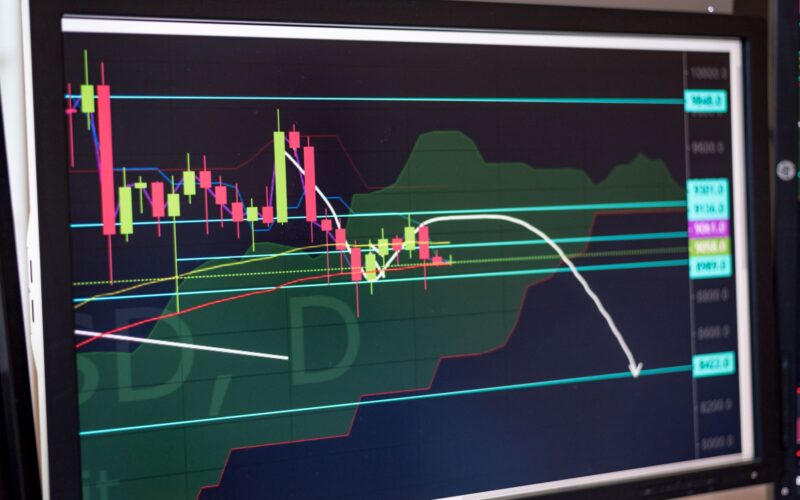
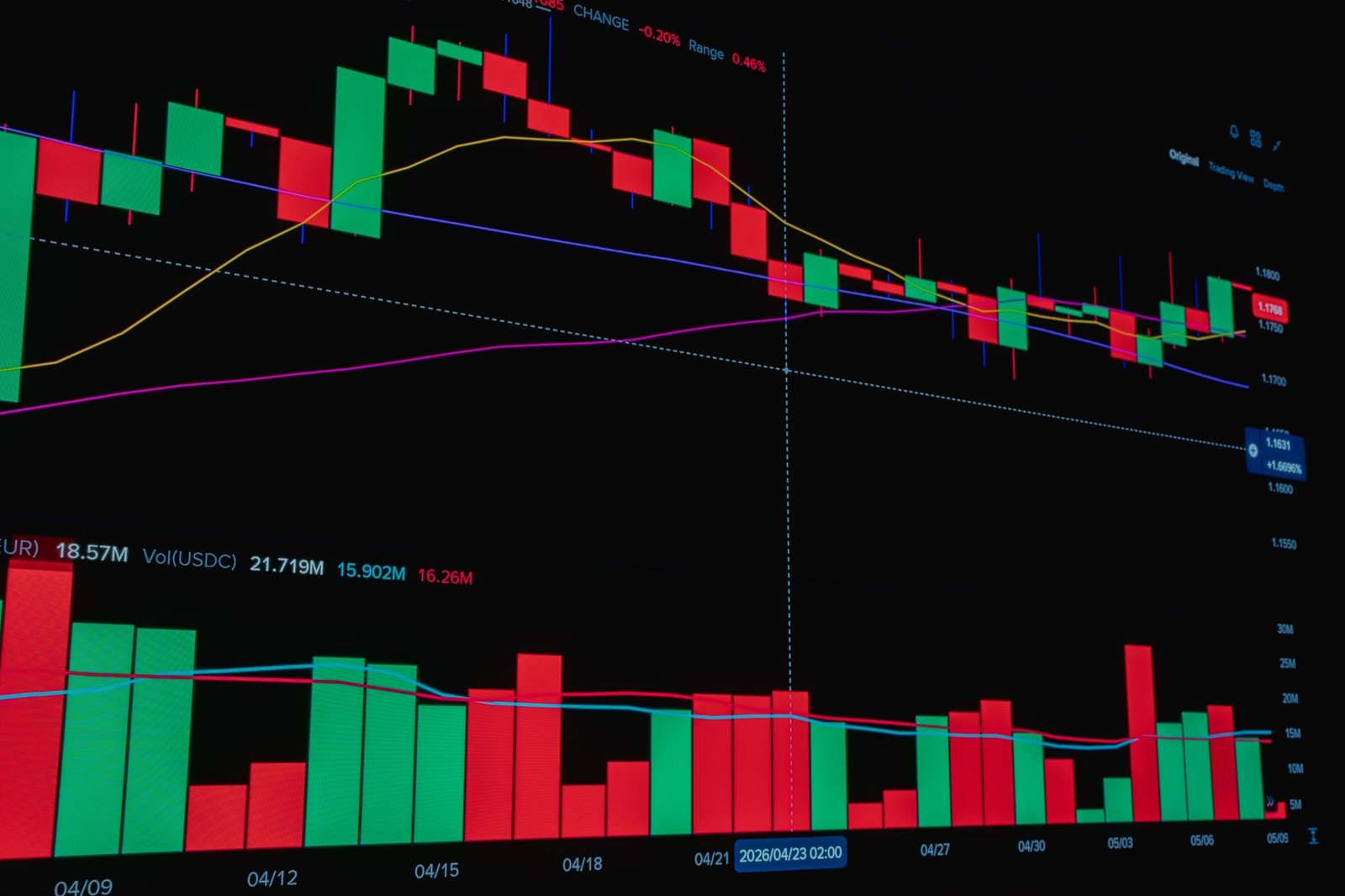
For beginners, it’s essential to distinguish between trading and investing. Trading typically involves shorter time horizons, aiming to capitalize on intraday or short-term price movements. Traders often use technical analysis tools and indicators, such as those available through a powerful TradingView indicator, to make quick decisions. Investing, on the other hand, is a long-term strategy where investors buy shares of companies they believe will grow in value over years, often focusing on fundamental analysis, company management, and industry prospects. Both require a Demat and trading account.

Opening a Demat and Trading Account
To participate in the stock market, you need both a Demat account to hold your shares electronically and a trading account to place buy and sell orders through a stockbroker. This process is now largely digitised, making it accessible even via mobile apps.
Types of Orders
Understanding order types like market orders, limit orders, stop-loss orders, and Good-Till-Cancelled (GTC) orders is crucial for managing risk and executing trades effectively.
- Market Order: Executes immediately at the best available current price.
- Limit Order: Executes only at your specified price or better.
- Stop-Loss Order: Triggers a market or limit order when a certain price level is reached, helping to limit potential losses.
Fundamental vs. Technical Analysis
Fundamental analysis evaluates a company’s intrinsic value by examining its financial health, management, and industry position, while technical analysis studies price charts and patterns to predict future price movements.
How to Choose a Stockbroker
Selecting the right stockbroker is a critical step. Consider factors like brokerage charges, platform usability (especially mobile accessibility), research support, and customer service. Many brokers offer competitive pricing plans and even a free trial period.
How to Start Investing in the Indian Stock Market
Getting started requires a systematic approach, from understanding your financial goals to executing your first trade.
- Define Your Financial Goals: Determine what you want to achieve with your investments – short-term gains, long-term wealth, retirement planning, etc.
- Understand Your Risk Tolerance: Assess how much risk you are comfortable taking. This will influence the types of stocks and investment strategies you choose.
- Open a Demat and Trading Account: Choose a SEBI-registered stockbroker and complete the KYC process to open your accounts.
- Fund Your Trading Account: Transfer money from your bank account to your trading account.
- Research Potential Investments: Use fundamental and technical analysis, read financial news, and understand the companies you are considering. Consider using tools like the Trend Traders Tool for deeper insights.
- Place Your First Order: Decide whether to buy or sell, choose your order type (market, limit, stop-loss), and enter the quantity and price.
- Monitor Your Investments: Regularly review your portfolio’s performance and make adjustments as needed based on market conditions and your goals.
- Continue Learning: The market is dynamic. Stay updated with market news, economic events, and refine your investment strategies over time.
Key Market Participants and Their Roles
The Indian stock market involves various participants, each playing a distinct role in its functioning, from institutional investors to individual retail traders.
The ecosystem comprises several key players. Retail Investors are individual investors who trade in smaller volumes. Institutional Investors include mutual funds, insurance companies, pension funds, and foreign portfolio investors (FPIs), who trade in large volumes and significantly influence market movements. Companies themselves are participants as they list their shares to raise capital. Stock Exchanges (NSE & BSE) provide the trading platform. Stockbrokers act as intermediaries between investors and the exchanges. Regulators (SEBI) oversee the entire market to ensure fairness and transparency. Clearing Corporations ensure the settlement of trades.
The Role of Mutual Funds
Mutual funds, regulated by AMFI (Association of Mutual Funds in India) and SEBI, pool money from many investors to invest in a diversified portfolio of stocks, bonds, or other securities, offering a convenient way for retail investors to diversify.
Foreign Portfolio Investors (FPIs)
FPIs are significant players, investing in the Indian securities market. Their investment decisions often reflect global economic trends and domestic market sentiment, making their activity a key indicator for many.
Market Makers and Liquidity Providers
These entities ensure that there are always buyers and sellers available for a particular stock, thus maintaining market liquidity and facilitating smooth trading operations.

Navigating Market Volatility and Risks
Understanding and managing the inherent risks and volatility in the stock market is crucial for protecting capital and achieving sustainable investment returns.
The stock market is inherently volatile, meaning prices can fluctuate significantly in short periods due to various factors like economic news, political events, company-specific developments, or global market sentiment. For beginners, this volatility can be daunting. However, managing risk is key. Diversification across different stocks, sectors, and asset classes can help mitigate losses. Using stop-loss orders is a vital tool for traders to cap potential downside. Long-term investors often ride out short-term volatility by focusing on the fundamental strength of their chosen companies. It’s also important to invest only what you can afford to lose and avoid making investment decisions based on herd mentality or speculative tips.
Understanding Market Cycles
Markets move in cycles – bull markets (rising prices) and bear markets (falling prices). Recognizing these cycles can help investors make more informed decisions about when to buy, sell, or hold.
The Importance of Due Diligence
Thorough research and due diligence before investing in any stock or security is paramount. Never invest based on tips or hearsay; understand the underlying business and its risks.
Frequently Asked Questions
What is the main difference between NSE and BSE?
The NSE is a newer, technology-driven exchange focusing on large-cap stocks and derivatives, while the BSE is older, listing more companies but generally having lower trading volumes for many stocks compared to NSE’s main indices.
How can a beginner start investing with a small amount?
Beginners can start with small amounts through mutual fund SIPs (Systematic Investment Plans) or by investing in fractional shares if offered by their broker. Focusing on large-cap, stable companies is also advisable.
Is it safe to invest in the Indian stock market?
The market is regulated by SEBI, offering a degree of safety. However, all investments carry risk. Safe investing involves thorough research, diversification, and investing for the long term.
What is the best time to buy stocks?
There’s no single ‘best’ time. Many investors use the ‘buy the dip’ strategy during market corrections or invest systematically through SIPs to average costs over time, regardless of market timing.
How much capital is needed to start trading?
You can start trading with very little capital, sometimes as low as ₹500-₹1000, depending on the stock price and your broker’s requirements. However, substantial capital is usually needed for meaningful profits and to manage risk effectively.
What are the biggest risks in the stock market?
Key risks include market volatility, company-specific risks (poor performance, fraud), economic downturns, interest rate hikes, inflation, and regulatory changes. Lack of diversification also increases risk.
Key Takeaways:
- The Indian stock market operates through NSE and BSE, regulated by SEBI.
- A Demat and trading account are necessary for all investors.
- Understand the difference between trading and investing for your goals.
- Fundamental and technical analysis are key tools for research.
- Diversification and risk management are crucial for protecting capital.
- Mutual funds offer a diversified entry point for beginners.
- Continuous learning and staying informed are vital for long-term success.
Investing in the stock market involves risks, including the potential loss of principal. Past performance is not indicative of future results. Please consult with a SEBI-registered financial advisor before making any investment decisions.




 Finovatives