


TL;DR: Patience is the cornerstone of successful investing, enabling traders to resist impulsive decisions driven by market volatility and emotional biases, thereby fostering consistent long-term wealth accumulation.
Key Stats at a Glance:
- Nifty 50 has delivered an average annual return of approximately 12% over the last decade.
- Over 70% of retail investor accounts in India have been opened in the last 5 years.
- The average holding period for stocks by successful long-term investors often exceeds 5 years.
- SEBI mandates a minimum T+1 settlement cycle for most stock trades on Indian exchanges.
- India’s mutual fund AUM crossed ₹50 lakh crore in early 2024.
What is Investor Patience?
Investor patience refers to the ability of a trader or investor to maintain a calm, rational, and disciplined approach towards their investment portfolio, particularly during periods of market uncertainty or significant price fluctuations.
The Emotional Rollercoaster of Trading
The Indian stock market, with its inherent volatility, often triggers strong emotions like fear and greed in investors. Witnessing sharp price swings can lead to impulsive decisions, such as selling during a downturn (fear) or buying at the peak of a rally (greed). These emotional reactions are the antithesis of patient investing. A patient investor understands that market downturns are often temporary and can present opportunities, while excessive exuberance can signal a need for caution.
Why Patience is Your Biggest Asset
In the world of investing, time and discipline often trump rapid decision-making. Patient investors are more likely to benefit from the power of compounding, allowing their investments to grow significantly over extended periods. Impatient trading, characterised by frequent buying and selling, often incurs higher transaction costs and taxes, eroding potential returns. Furthermore, patience allows investors to ride out market cycles, adhering to their long-term financial goals rather than being swayed by short-term noise. Many successful traders attribute their longevity and success to their ability to simply wait for the right opportunities and let their investments mature.

How Does Patience Impact Investment Returns?
Patience directly influences investment returns by enabling adherence to a well-researched strategy and allowing the benefits of compounding to materialise, while avoiding costly emotional errors.
The Power of Compounding
Albert Einstein famously called compound interest the eighth wonder of the world. For investors, patience is the fuel that allows compounding to work its magic. When you reinvest earnings, those earnings then start generating their own earnings, creating an exponential growth curve over time. An impatient investor might withdraw profits too early, missing out on this powerful snowball effect. For instance, an investment that grows at 12% annually will more than double in just six years due to compounding. Patient investors allow this process to continue uninterrupted, leading to substantial wealth creation over decades.
Avoiding Costly Mistakes
Impatience often leads to what behavioural finance experts call ‘herding behaviour’ or ‘fear of missing out’ (FOMO). This can result in buying high and selling low, a sure-fire recipe for poor returns. For example, an investor who panics and sells their holdings during a market correction might realise losses that could have been recouped if they had held on. Conversely, chasing ‘hot tips’ without due diligence, driven by impatience to make quick profits, can lead to significant capital loss. A patient approach involves sticking to an asset allocation plan and avoiding knee-jerk reactions to market fluctuations, thereby safeguarding capital.
Long-Term vs. Short-Term Focus
The stock market can be viewed through different lenses: a casino for quick gains or a vehicle for long-term wealth creation. Patient investors adopt the latter perspective. They understand that market timing is notoriously difficult, even for professionals. Instead, they focus on ‘time in the market’ rather than ‘timing the market’. This means staying invested through various market cycles, understanding that growth is rarely linear. The Nifty 50, for example, has experienced numerous corrections but has historically trended upwards over the long term. A patient investor capitalises on this long-term upward trajectory.

How to Cultivate Investor Patience
Building patience is a deliberate process that involves developing self-awareness, setting realistic expectations, and implementing strategic approaches to manage emotional responses to market movements.
- Define Clear Financial Goals: Understand precisely why you are investing. Having specific, measurable, achievable, relevant, and time-bound (SMART) goals provides a strong motivation to stay the course.
- Develop a Robust Investment Strategy: Create a well-researched investment plan based on your risk tolerance and goals. This could involve diversification across asset classes or focusing on fundamentally strong companies, as recommended by financial advisors.
- Automate Investments: Utilise Systematic Investment Plans (SIPs) for mutual funds or set up regular buy orders for stocks. Automation removes the temptation to time the market and instils discipline. Many Finovatives tools can help automate some aspects of analysis.
- Limit Market Monitoring: Constantly checking stock prices can induce anxiety and impulsive behaviour. Reduce the frequency of checking your portfolio to once a week or even less, focusing on long-term trends rather than daily noise.
- Educate Yourself Continuously: Understanding market dynamics, economic cycles, and the underlying businesses you invest in builds confidence. Knowledge reduces the fear of the unknown and strengthens your resolve to stick to your plan.
- Practice Mindfulness and Emotional Regulation: Techniques like deep breathing or short breaks can help manage immediate emotional reactions during volatile periods. Recognise your emotional triggers and develop coping mechanisms.
- Seek Professional Advice: A SEBI-registered investment advisor can provide objective guidance and help you stay disciplined, especially during challenging market conditions.
What Are Common Patience Killers in Trading?
Several psychological and external factors can erode an investor’s patience, leading to detrimental trading decisions.
Fear of Missing Out (FOMO)
FOMO is a powerful emotion that compels investors to jump into investments they haven’t properly researched, simply because they see others making quick profits. This often leads to buying assets at inflated prices and selling them when the hype dies down, resulting in losses.
Market Volatility and News Overload
Sudden market drops or sensationalised news headlines can trigger panic. Investors who aren’t mentally prepared for volatility may feel compelled to act immediately, often cutting losses prematurely or selling sound investments based on fear rather than analysis.
Short-Term Performance Pressure
The desire for quick returns can make investors overly critical of their portfolio’s short-term performance. Comparing their progress to unrealistic benchmarks or other investors can lead to impatience and a tendency to chase fads or highly speculative assets.
How Can Technical Analysis Help Build Patience?
Technical analysis, when used correctly, can be a valuable tool for patient investors by providing objective entry and exit signals, reducing reliance on gut feelings and emotional biases.
Identifying Trends and Support/Resistance Levels
Technical indicators like moving averages, trendlines, and support/resistance levels help identify established trends and potential turning points. A patient investor uses these tools to confirm existing trends or wait for clear signals before entering or exiting a position, rather than acting on impulse. For example, waiting for a stock price to break above a strong resistance level with increased volume can be a more disciplined entry strategy than buying based on rumour.
Using Stop-Loss Orders Wisely
While stop-loss orders are risk management tools, using them impulsively can signal impatience. A patient investor sets stop-losses based on technical analysis (e.g., below a key support level) and avoids moving them incrementally lower as the price falls, which is a sign of hoping for a reversal rather than accepting a pre-defined risk.
Confirmation Before Action
Technical analysis often involves looking for multiple confirmations before making a trade. This process inherently encourages patience, as the investor must wait for several indicators or patterns to align. This ‘wait and watch’ approach prevents hasty decisions driven by short-term market noise. Many advanced TradingView indicators available on platforms like Finovatives are designed to provide such confirmations.
How to Use TradingView Indicators for Patient Investing
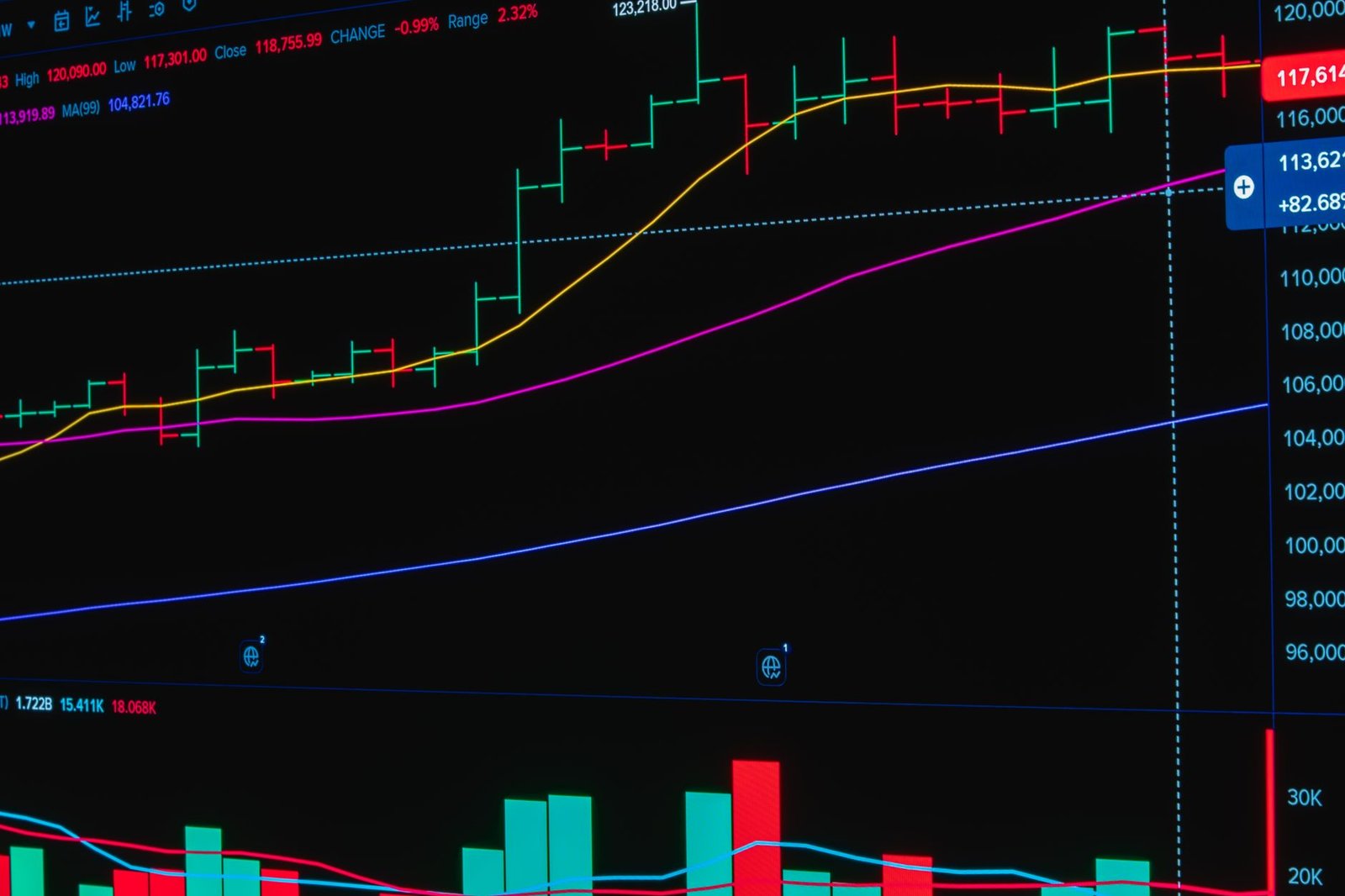
Leveraging tools like TradingView indicators can systematically support a patient investment approach by providing data-driven insights and reinforcing disciplined decision-making.
- Select Indicators Aligned with Your Strategy: Choose indicators that complement your investment philosophy, whether it’s trend-following (e.g., Moving Average Convergence Divergence – MACD) or mean-reversion (e.g., Relative Strength Index – RSI).
- Understand Indicator Signals: Thoroughly learn how each indicator works, its common signals (e.g., crossovers, divergences), and its limitations. Avoid using indicators without understanding them.
- Look for Confluence: Don’t rely on a single indicator. Wait for multiple indicators to provide similar signals before considering an action. This confluence increases the probability of a successful trade and enforces patience.
- Incorporate Volume Analysis: High volume accompanying a price move often validates the trend. Patient investors use volume as a confirmation tool, waiting for significant volume to support a breakout or breakdown.
- Utilise Chart Patterns: Recognise common chart patterns (e.g., head and shoulders, triangles) that suggest potential trend continuations or reversals. Patience is required to wait for these patterns to fully form.
- Backtest Your Approach: Use historical data to test how your chosen indicators and strategy have performed. This provides confidence in your system and reduces emotional decision-making during live trading.
- Set Alerts: Configure price or indicator alerts on TradingView to notify you when specific conditions are met. This allows you to step away from constant monitoring while still being informed of significant developments.
Frequently Asked Questions
Is patience more important than strategy?
While a solid strategy is crucial, patience is the vehicle that allows the strategy to be executed effectively. Without patience, even the best strategy can be abandoned prematurely due to emotional reactions to market noise.
How can I stop checking my stock portfolio constantly?
Reduce the frequency of checks. Automate investments, set specific times for review (e.g., weekly), and focus on educational content rather than live price feeds. Remind yourself of your long-term goals.
Can patience lead to missing out on opportunities?
While excessive patience can lead to missed opportunities, a balanced approach, guided by a clear strategy and objective signals, ensures you act on high-probability setups rather than chasing every fleeting market move.
What role does discipline play in investor patience?
Discipline is the active application of patience. It’s the commitment to stick to your investment plan and rules, even when faced with emotional urges to deviate, especially during volatile market conditions.
How long should I ideally hold an investment to see the benefits of patience?
For most long-term wealth creation goals, holding investments for at least 5-10 years is often recommended. This allows sufficient time for compounding and for the investment thesis to play out, weathering short-term market cycles.
Key Takeaways
- Patience is a cultivated skill essential for navigating market volatility and emotional biases.
- It allows the power of compounding to significantly enhance long-term returns.
- Impatience often leads to costly mistakes like buying high and selling low.
- A clear investment strategy, automation, and continuous education bolster patience.
- Technical analysis tools can provide objective signals, supporting a patient approach.
- Regularly reviewing and understanding your emotional triggers is vital for maintaining discipline.
- Focusing on ‘time in the market’ over ‘timing the market’ is a hallmark of patient investing.
Investing involves market risks. Please read all related documents carefully before investing.






 Finovatives