

TL;DR: Nifty 50 and Sensex are bellwether Indian stock market indices representing the performance of India’s largest and most liquid companies, crucial for gauging market sentiment and making investment decisions.
Key Stats at a Glance:
- Nifty 50 comprises 50 stocks, representing ~65% of Indian stock market capitalization.
- Sensex comprises 30 stocks, representing ~12.5% of Indian stock market capitalization.
- Bank Nifty comprises 12 banking stocks, representing ~60% of the banking sector’s weight.
- The Indian stock market has seen exponential growth, with Nifty 50 delivering an average annualised return of approximately 12.4% over the last decade (as of early 2024).
- Over 7,000 companies are listed across NSE and BSE combined.
What are Market Indices?
Market indices are statistical measures that track the performance of a specific segment of the stock market, such as the largest companies or a particular industry sector.
The Purpose of Indices
Indices serve as vital benchmarks, providing a snapshot of the market’s overall health and direction. They help investors compare the performance of their portfolios and understand broader economic trends. For traders, they offer insights into market sentiment and potential trading opportunities. The National Stock Exchange (NSE) and Bombay Stock Exchange (BSE) are the primary exchanges where these indices are tracked.

Why Are Indices Important for Traders?
Indices allow traders to gauge the market’s pulse quickly. A rising index suggests general optimism and potential for gains, while a falling index indicates pessimism. They are also used as underlying assets for financial products like index funds, ETFs, and futures/options, enabling diversified investment strategies and hedging.
Understanding the Nifty 50
The Nifty 50 is the benchmark index of the National Stock Exchange (NSE), comprising the top 50 largest and most liquid Indian companies listed on the exchange. It represents a broad range of sectors and serves as a key indicator of the Indian equity market’s performance.
How is the Nifty 50 Calculated?
The Nifty 50 is a free-float market capitalization-weighted index. This means that companies with larger market capitalizations (and a higher number of shares available for public trading) have a greater influence on the index’s movement. The base value of the Nifty 50 was set at 1000 on November 3, 1995.
Sectoral Representation in Nifty 50
The Nifty 50 provides diversified exposure across various sectors of the Indian economy. The largest constituents typically include banking, IT, oil & gas, and financial services. This broad representation makes it a reliable gauge of the overall Indian economy’s performance.
Decoding the Sensex
The Sensex (BSE Sensitive Index) is the benchmark index of the Bombay Stock Exchange (BSE), comprising 30 well-established and financially sound companies across diverse sectors. It is one of the oldest stock market indices in India.
Sensex vs. Nifty 50: Key Differences
While both are major Indian indices, the primary difference lies in the number of constituent stocks (30 for Sensex vs. 50 for Nifty 50) and the exchange they represent (BSE for Sensex vs. NSE for Nifty 50). Both are market-cap weighted, but their specific constituents and sector weightages differ, leading to slight variations in their performance tracking. The Sensex has a longer history, launched in 1986.
What Does Sensex Movement Signify?
A rise in the Sensex generally indicates that the top 30 companies on the BSE are performing well, reflecting positive investor sentiment and economic growth. Conversely, a decline suggests a downturn in these bellwether stocks and potentially the broader market. It’s often viewed as a proxy for the health of large-cap Indian equities.
The Significance of Bank Nifty
The Bank Nifty index represents the banking sector of the Indian stock market, comprising the 12 most liquid and large-cap banking stocks listed on the NSE. It is a crucial indicator for the performance and health of India’s financial services sector.
Why Focus on Bank Nifty?
Given that banks play a pivotal role in economic growth, the Bank Nifty’s movement provides insights into the financial sector’s stability and growth prospects. It is highly tracked by traders and investors interested in the banking and financial services domain, as well as those looking to trade derivatives based on this sector.
Trading Bank Nifty
Bank Nifty is a very active index for derivatives trading, particularly futures and options (F&O). Its volatility and liquidity make it attractive for short-term traders. Understanding the factors influencing bank stocks, such as interest rates, regulatory changes by the RBI, and asset quality, is crucial for trading this index effectively. Advanced tools like a custom TradingView indicator can help analyse its price action.
How to Use Indices in Trading Strategies
Market indices can be integrated into various trading strategies to enhance decision-making and portfolio management.
- Benchmark Performance: Compare your investment portfolio’s returns against a relevant index (like Nifty 50 or Sensex) to assess your performance.
- Sectoral Analysis: Use sector-specific indices (like Bank Nifty) to identify strong or weak sectors and allocate capital accordingly.
- Trend Identification: Monitor the direction of major indices to understand the broader market trend (bullish, bearish, or sideways).
- Trading Products: Invest in index funds or ETFs for diversified exposure, or trade index futures and options for leveraging market movements.
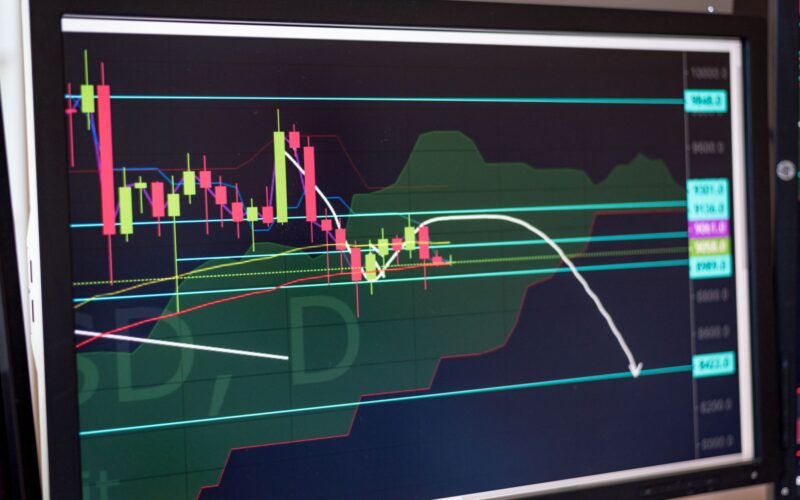
- Technical Analysis: Apply technical indicators and chart patterns to index charts to predict future price movements. Tools like the Trend Traders Tool can be invaluable here.
- Risk Management: Use index futures or options to hedge your portfolio against market downturns.
- Economic Indicators: Correlate index movements with macroeconomic data releases (like GDP, inflation, interest rates) to understand market drivers.
Frequently Asked Questions
What is the primary difference between Nifty 50 and Sensex?
The Nifty 50 comprises 50 stocks from the NSE, while the Sensex consists of 30 stocks from the BSE. Both are market-cap weighted but represent different baskets of top Indian companies.
Can an individual investor directly invest in Nifty 50 or Sensex?
No, you cannot directly invest in the indices themselves. However, you can invest in financial products like index funds, Exchange Traded Funds (ETFs), or index futures and options that track these indices.
How often are the constituents of Nifty 50 and Sensex reviewed?
The constituents of both Nifty 50 and Sensex are reviewed periodically, typically semi-annually, by their respective index committees (at NSE Indices and the BSE). This ensures the indices remain representative of the market.
What factors influence the movement of Bank Nifty?
Bank Nifty’s movement is influenced by factors such as Reserve Bank of India (RBI) monetary policy, interest rate changes, banking sector reforms, asset quality of banks (NPAs), credit growth, and overall economic sentiment.
Are market indices suitable for beginners?
Yes, understanding market indices is fundamental for beginners. Investing in index funds or ETFs offers a simple, diversified way to start investing in the stock market with lower risk compared to picking individual stocks.
What is the role of the NSE and BSE regarding these indices?
The NSE maintains and publishes the Nifty 50 index, while the BSE maintains and publishes the Sensex index. They are responsible for calculating, disseminating, and managing these key market benchmarks.
Key Takeaways
- Nifty 50 and Sensex are the primary benchmarks for the Indian stock market, reflecting the performance of large-cap companies on NSE and BSE, respectively.
- Bank Nifty specifically tracks the performance of the Indian banking sector, a critical component of the economy.
- Indices are calculated using market capitalization, meaning larger companies have a greater impact on their movement.
- They serve as crucial tools for performance benchmarking, investment strategies, and gauging overall market sentiment.
- Traders and investors can gain exposure to indices through index funds, ETFs, futures, and options.
- Regular review of index constituents by NSE and BSE ensures they remain relevant and representative of the market.
Investing in the stock market involves risks. Please consult with a qualified financial advisor before making any investment decisions.


 Finovatives