


TL;DR: Protecting your portfolio during market crashes involves diversification, hedging, maintaining cash reserves, and avoiding emotional decisions, focusing on long-term resilience rather than short-term panic.
Key Stats at a Glance:
- Nifty 50 has experienced several major drawdowns, including ~30% in 2008 and ~38% in 2020.
- Over 70% of Indian retail investors trade on mobile devices.
- Gold prices historically tend to rise during periods of high market uncertainty.
- SEBI mandates risk disclosure for all investment products.
- Diversification across asset classes can reduce overall portfolio volatility by up to 20%.
What is a Market Crash?
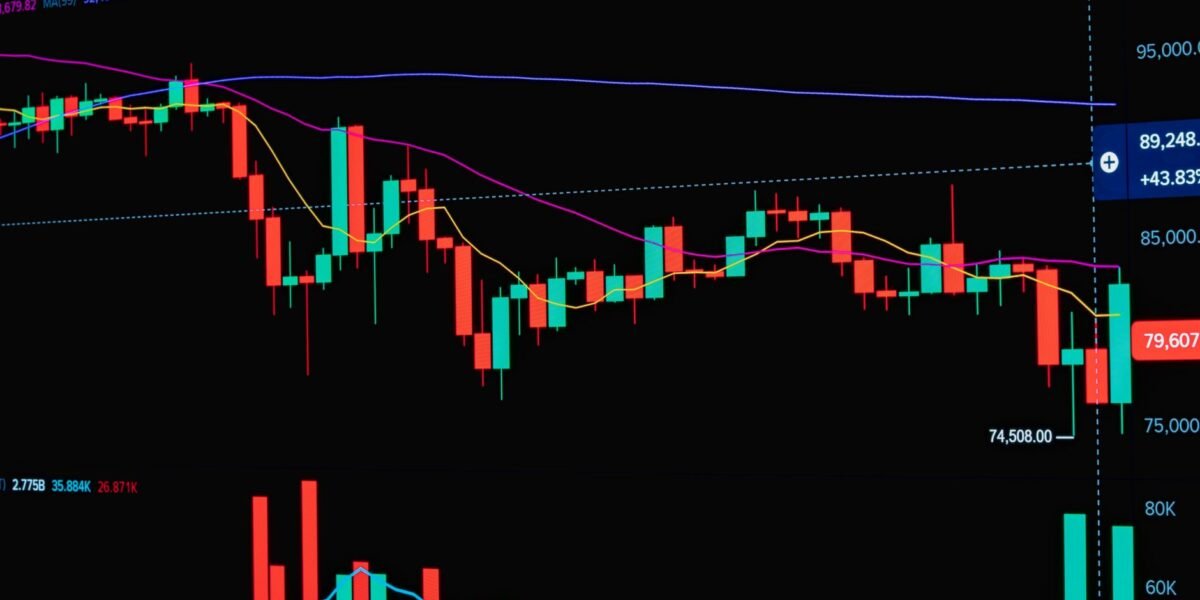
A market crash is a sudden and dramatic decline in stock prices across a significant portion of the market, often driven by widespread panic selling and negative economic news.
Understanding the Mechanics of a Crash
Market crashes are typically triggered by a confluence of factors. These can include economic recessions, geopolitical crises, unexpected global events (like pandemics), or the bursting of asset bubbles. Fear and panic are potent accelerants, as investors rush to sell, driving prices down further. High-frequency trading algorithms can also exacerbate downward spirals by executing rapid sell orders. The sheer speed and scale of selling can overwhelm normal market mechanisms, leading to sharp, precipitous drops in indices like the Nifty 50 and the BSE Sensex. For instance, the COVID-19 pandemic in early 2020 saw global markets, including India’s, experience unprecedented volatility in a matter of weeks.
The Psychology of Panic
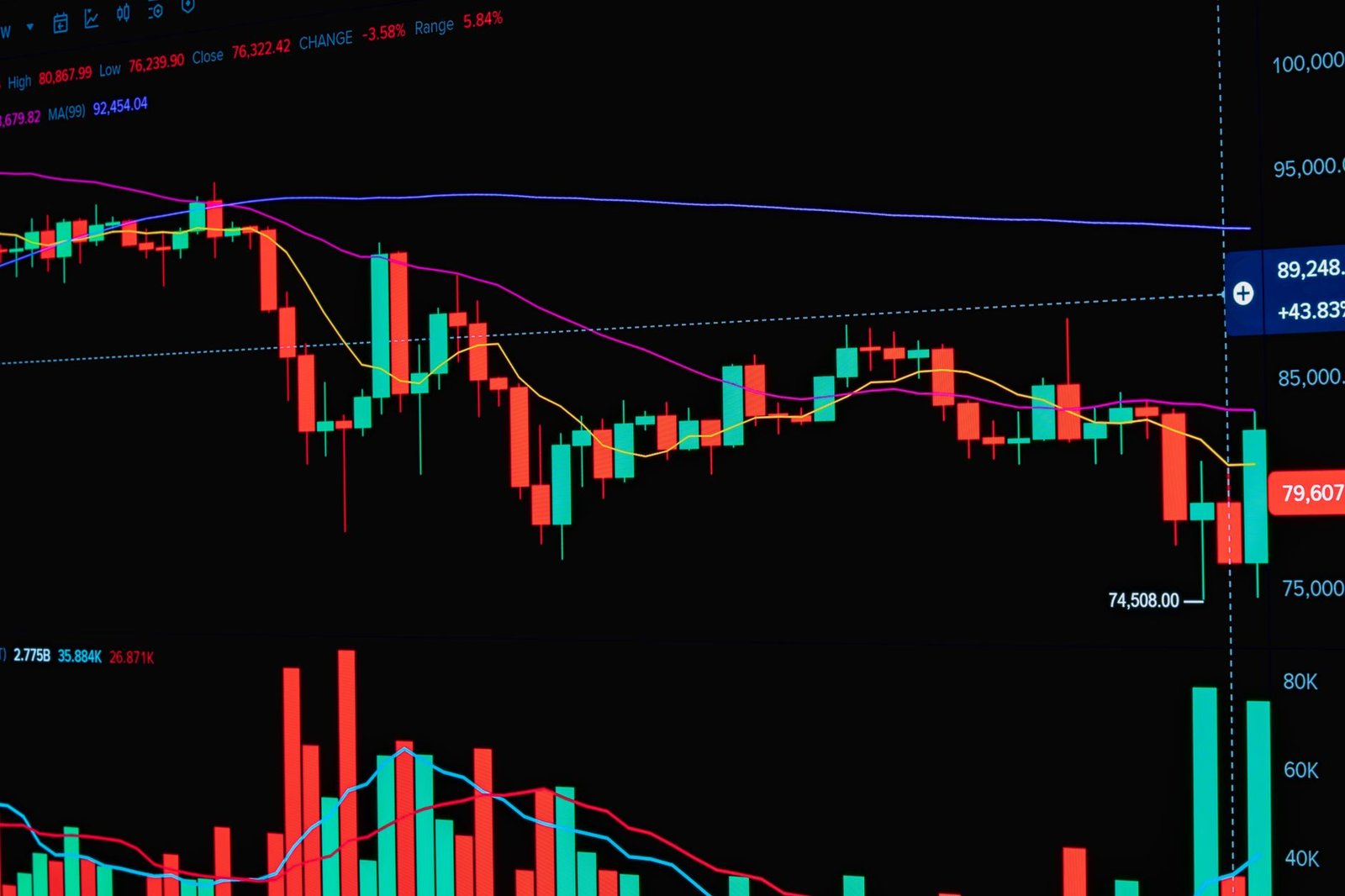
During a market crash, fear often overrides rational decision-making. Investors might recall past losses or fear losing their entire savings, leading to impulsive selling at the worst possible moments. This ‘herd mentality’ can cause individuals to sell simply because everyone else is selling, regardless of the underlying value of their investments. Understanding this psychological aspect is crucial for staying disciplined and avoiding decisions that could permanently damage your financial future. It’s important to remember that market downturns, while painful, are a normal part of the investment cycle.
Why is Portfolio Protection Crucial During Downturns?
Protecting your portfolio during downturns is crucial to preserve capital, avoid significant long-term losses, and maintain the ability to capitalize on eventual market recoveries.
Preserving Capital: The Primary Goal
The most immediate objective during a market crash is capital preservation. This means shielding your hard-earned money from substantial, potentially irreversible losses. While a 10-20% drop might be recoverable over time, a 50% or more crash can significantly set back your financial goals, especially if you are nearing retirement or have urgent liquidity needs. Strategies focused on preservation aim to minimize the downside, ensuring that a larger portion of your capital remains intact to benefit from the eventual rebound.
Avoiding Permanent Loss
Not all losses are temporary. If a company fundamentally falters during a crisis, its stock price may never recover. Similarly, if an investor is forced to sell at the bottom due to liquidity issues, they lock in their losses permanently. Portfolio protection strategies aim to mitigate the risk of such permanent capital erosion by building buffers and diversifying risk.
Positioning for Recovery
By protecting your capital, you ensure you have the resources to reinvest when market conditions improve. Often, the best investment opportunities arise during or immediately after a crisis, when assets are undervalued. A well-protected portfolio allows you to participate in this recovery, potentially generating significant returns as markets rebound.

How to Protect Your Portfolio During a Market Crash
Protecting your portfolio during a market crash requires a multi-faceted approach combining diversification, risk management techniques, and emotional discipline.
- Diversify Across Asset Classes: Don’t put all your eggs in one basket. Invest in a mix of equities, debt, gold, and even real estate. During a crash, different asset classes often behave differently, with some potentially holding their value or even appreciating while others fall. For example, gold often acts as a safe haven during times of economic uncertainty.
- Maintain Adequate Cash Reserves: Keep a portion of your portfolio in liquid assets like savings accounts, short-term fixed deposits, or liquid mutual funds. This ’emergency fund’ not only covers unexpected expenses but also provides capital to invest at lower prices during a downturn without being forced to sell other assets at a loss. Aim for 3-6 months of living expenses.
- Rebalance Your Portfolio Periodically: Regularly review and adjust your asset allocation. If equities have grown significantly, trim some profits and reallocate to other asset classes. Conversely, during a downturn, if equities have fallen drastically, you might rebalance by buying more at lower prices, bringing your portfolio back to its target allocation. This systematic approach helps manage risk and capture value.
- Understand and Utilize Hedging Strategies: For more experienced investors, hedging can provide downside protection. This could involve using options (like buying put options on index ETFs) or investing in inverse ETFs. While these strategies carry their own risks and costs, they can act as insurance against severe market drops. Consider consulting a financial advisor to understand if these are suitable for you.
- Focus on Quality Investments: Invest in fundamentally strong companies with robust balance sheets, consistent earnings, and strong management. These businesses are generally more resilient during economic downturns and more likely to recover and thrive post-crisis. Look for companies with a proven track record of navigating difficult economic cycles.
- Avoid Emotional Investing: This is perhaps the most critical step. Resist the urge to panic sell when markets are plummeting. Stick to your long-term investment plan. Emotional decisions often lead to buying high and selling low, which is detrimental to wealth creation. Remember that market downturns are temporary.
The Power of Diversification
Diversification is a cornerstone of risk management. By spreading investments across various asset classes (equities, bonds, real estate, commodities like gold), sectors, and geographies, you reduce the impact of any single investment performing poorly. When one asset class is struggling, another might be performing well, cushioning the overall blow to your portfolio. SEBI regulations also encourage diversification through various investment products.

The Role of Debt Instruments
Debt instruments, such as government bonds, corporate bonds, and fixed deposits, generally offer lower returns than equities but come with significantly lower risk. During market crashes, these assets often provide stability. While equity markets may be in freefall, the value of debt instruments tends to remain relatively stable or even increase as investors seek safer havens. Including a prudent allocation to debt in your portfolio can significantly reduce overall volatility.
Hedging with Options and Futures
For investors comfortable with more complex strategies, derivatives like options and futures can serve as insurance. Buying put options on an index or a specific stock can provide a payoff if the price falls below a certain level, effectively capping your potential losses. Futures can be used to short the market. However, these instruments are complex, require a deep understanding of their mechanics, and can incur significant costs. They are best employed by knowledgeable investors or with guidance from a financial advisor.
When Should You Consider Adjusting Your Strategy?
Adjusting your strategy during a market crash depends heavily on your individual financial goals, risk tolerance, and time horizon.
Assessing Your Risk Tolerance
Before making any changes, honestly assess your capacity to withstand financial and emotional stress. If a 20% drop causes sleepless nights, your risk tolerance is likely lower than you thought. In such cases, a more conservative asset allocation might be appropriate even before a crash occurs. Conversely, if you have a high risk tolerance and a long investment horizon, a crash might be an opportunity to accumulate assets at lower prices.
The Importance of a Long-Term Plan
Market crashes are often short-lived in the grand scheme of long-term investing. The Nifty 50, for instance, has historically shown resilience and recovered from all major downturns. Sticking to a well-thought-out, long-term investment plan is paramount. Constantly tweaking your strategy based on short-term market noise can lead to suboptimal outcomes. Your plan should dictate when and how you adjust, not market sentiment.
Opportunity Amidst the Chaos
While preserving capital is key, market crashes also present significant opportunities. Undervalued fundamentally strong companies can be acquired at bargain prices. For investors with available cash and a long-term outlook, a crash can be a chance to significantly enhance future returns. However, this requires careful analysis and the ability to distinguish between temporary setbacks and genuine business failure. Tools like Finovatives’ Trend Traders Tool can help identify potential trends even in volatile markets.
Frequently Asked Questions
What is the first step to protect my investments during a crash?
The first step is to remain calm and avoid emotional decision-making. Review your existing portfolio and understand your asset allocation before considering any changes.
Should I sell all my stocks when the market crashes?
Generally, no. Selling all stocks during a crash often means locking in losses. Unless your fundamental investment thesis has changed, it’s usually better to hold onto quality investments for the long term.
How much cash should I keep in my portfolio?
A common recommendation is to maintain an emergency fund covering 3-6 months of living expenses. Additionally, having some liquid funds within your investment portfolio can provide opportunities to buy assets at discounted prices during a downturn.
Is gold a good hedge against market crashes?
Historically, gold has often acted as a safe-haven asset, with its price tending to rise during periods of economic uncertainty and market turmoil. However, its performance is not guaranteed, and it should be part of a diversified strategy.
Can I use leverage to protect my portfolio?
Leverage (borrowed funds) generally increases risk and is not a strategy for protecting a portfolio during a crash. In fact, it can magnify losses significantly. Protection strategies focus on reducing risk, not increasing it.

How do I know if a company is fundamentally strong?
Look for consistent revenue and profit growth, strong balance sheets (low debt), healthy cash flow, competitive advantages, and competent management. Analyzing financial statements and industry trends is key.
Key Takeaways
- Market crashes are characterized by rapid, widespread declines, often fueled by panic.
- Capital preservation is the primary goal during a downturn.
- Diversification across asset classes is essential for mitigating risk.
- Maintaining adequate cash reserves provides liquidity and investment opportunities.
- Focus on fundamentally strong companies for long-term resilience.
- Avoid emotional selling; stick to your long-term investment plan.
- Market crashes can present opportunities to buy quality assets at lower prices.
Investing in the securities market is subject to market risks. Read all the related documents carefully before investing. Past performance is not indicative of future results.






 Finovatives