

TL;DR: Effective intraday trading strategies for the Indian stock market involve quick decision-making based on technical analysis, focusing on short-term price movements to capture profits within a single trading session. Key approaches include scalping, momentum trading, and using pivot points to identify potential entry and exit levels.
Key Stats at a Glance:
- Nifty 50 average daily trading volume: Over 20 crore shares.
- NSE turnover in FY23: Exceeded ₹200 lakh crore.
- Average intraday volatility in Bank Nifty: Can exceed 3-5% on high-impact news days.
- Number of active listed stocks on NSE: 3,000+.
What are the most effective intraday trading strategies for the Indian stock market?
The most effective intraday trading strategies leverage technical indicators and price action to identify short-term trading opportunities in the Indian stock market, aiming for quick profits before the market closes. These strategies require discipline, speed, and a thorough understanding of market dynamics.
Scalping: The Art of Small, Frequent Wins
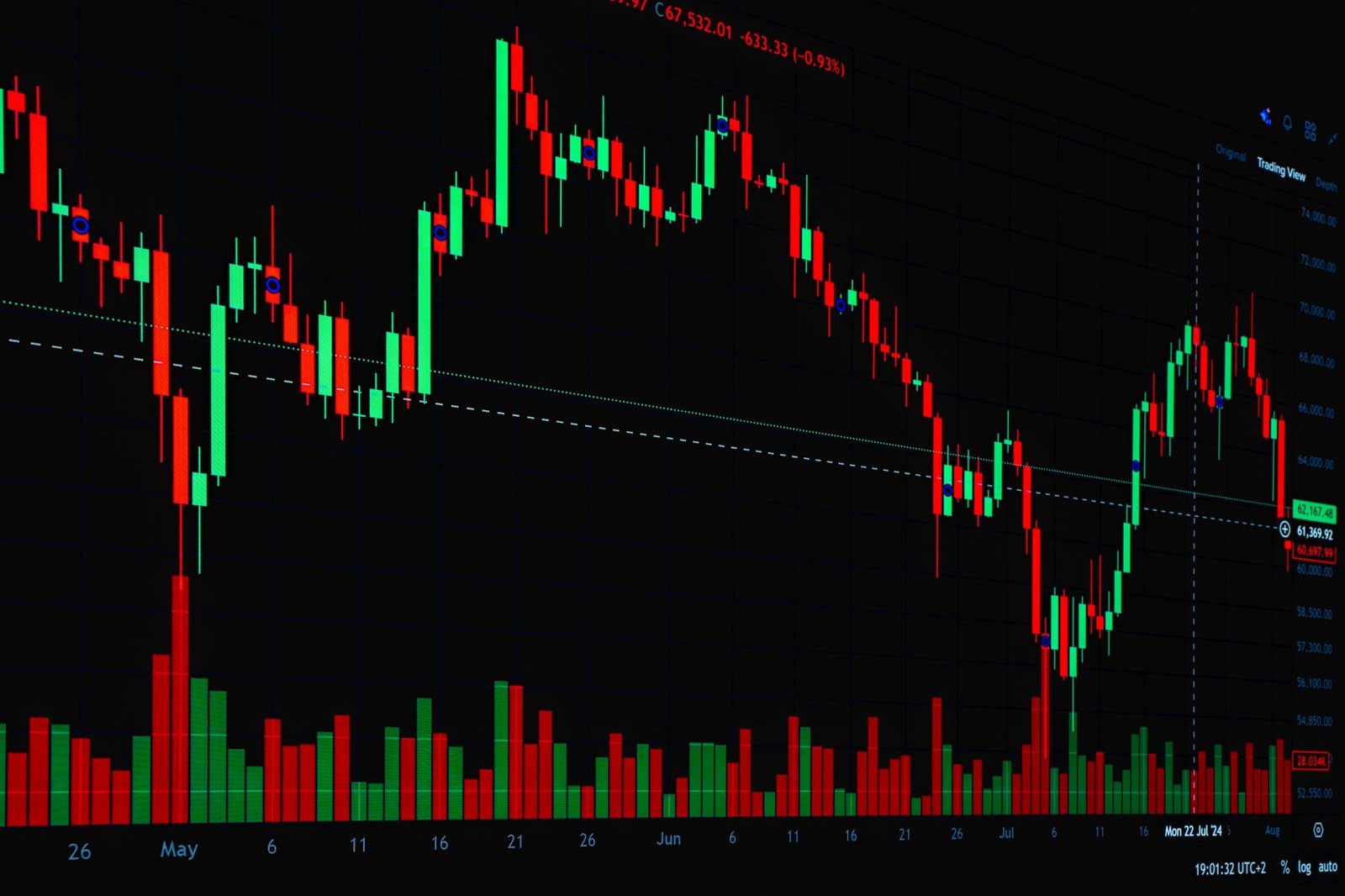
Scalping is a high-frequency trading strategy where traders aim to make numerous small profits by entering and exiting trades within seconds or minutes. The goal is to capture small price movements, often by trading highly liquid stocks or index futures like Nifty and Bank Nifty. Success in scalping hinges on tight stop-losses and efficient execution, often utilising fast TradingView indicators to spot fleeting opportunities.
Momentum Trading: Riding the Wave
Momentum trading focuses on identifying stocks or indices that are showing a strong price trend, either upwards or downwards, and entering trades in the direction of that momentum. Traders typically use indicators like the Moving Average Convergence Divergence (MACD) or Relative Strength Index (RSI) to confirm the strength and sustainability of the trend. The idea is to enter as the momentum builds and exit when signs of reversal appear.
Breakout Trading: Capitalising on Price Surges
Breakout trading involves identifying when a stock’s price moves beyond a defined support or resistance level, anticipating a continuation of that move. Traders often look for consolidation patterns like triangles or flags, and enter a trade when the price decisively breaks out of these patterns, typically with increased volume. Setting a stop-loss just below the breakout level for long trades, or above for short trades, is crucial.
How can I identify high-probability intraday trading setups?
Identifying high-probability intraday trading setups involves a combination of technical analysis tools, market sentiment awareness, and risk management to pinpoint trades with a greater likelihood of success. This includes using indicators, chart patterns, and understanding the broader market context.
Using Pivot Points for Intraday Levels
Pivot points are calculated based on the previous day’s high, low, and closing prices, providing support and resistance levels for the current trading day. Intraday traders use these levels to predict potential turning points, identify entry and exit zones, and set stop-loss orders. For instance, a breakout above a pivot point might signal a bullish move, while falling below it could indicate bearish pressure.
Volume Analysis: The Unsung Hero
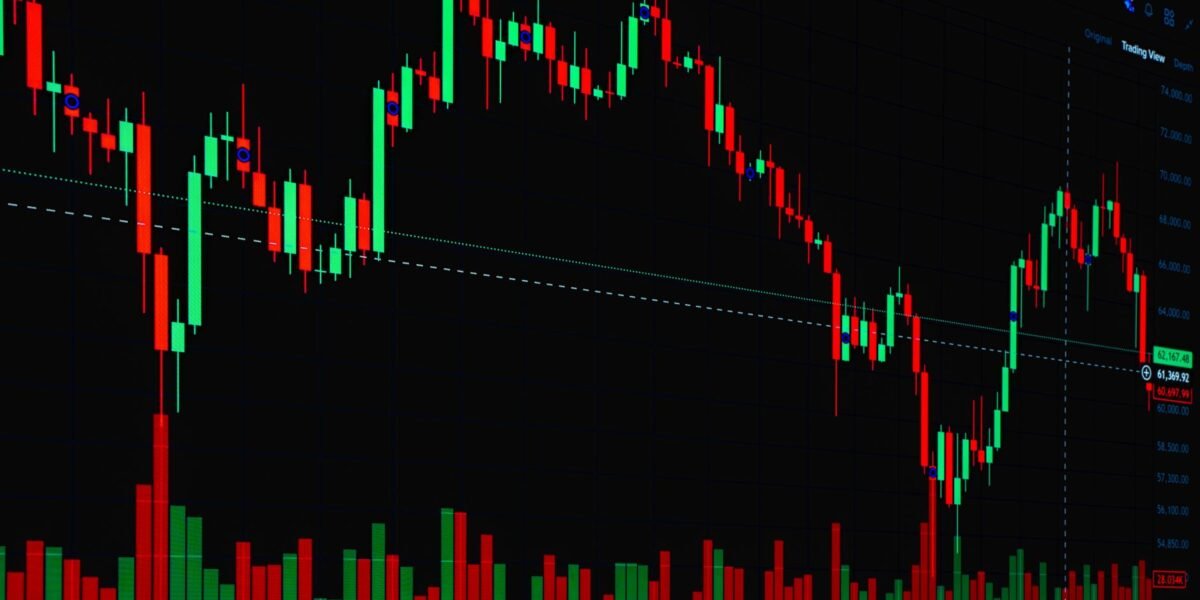
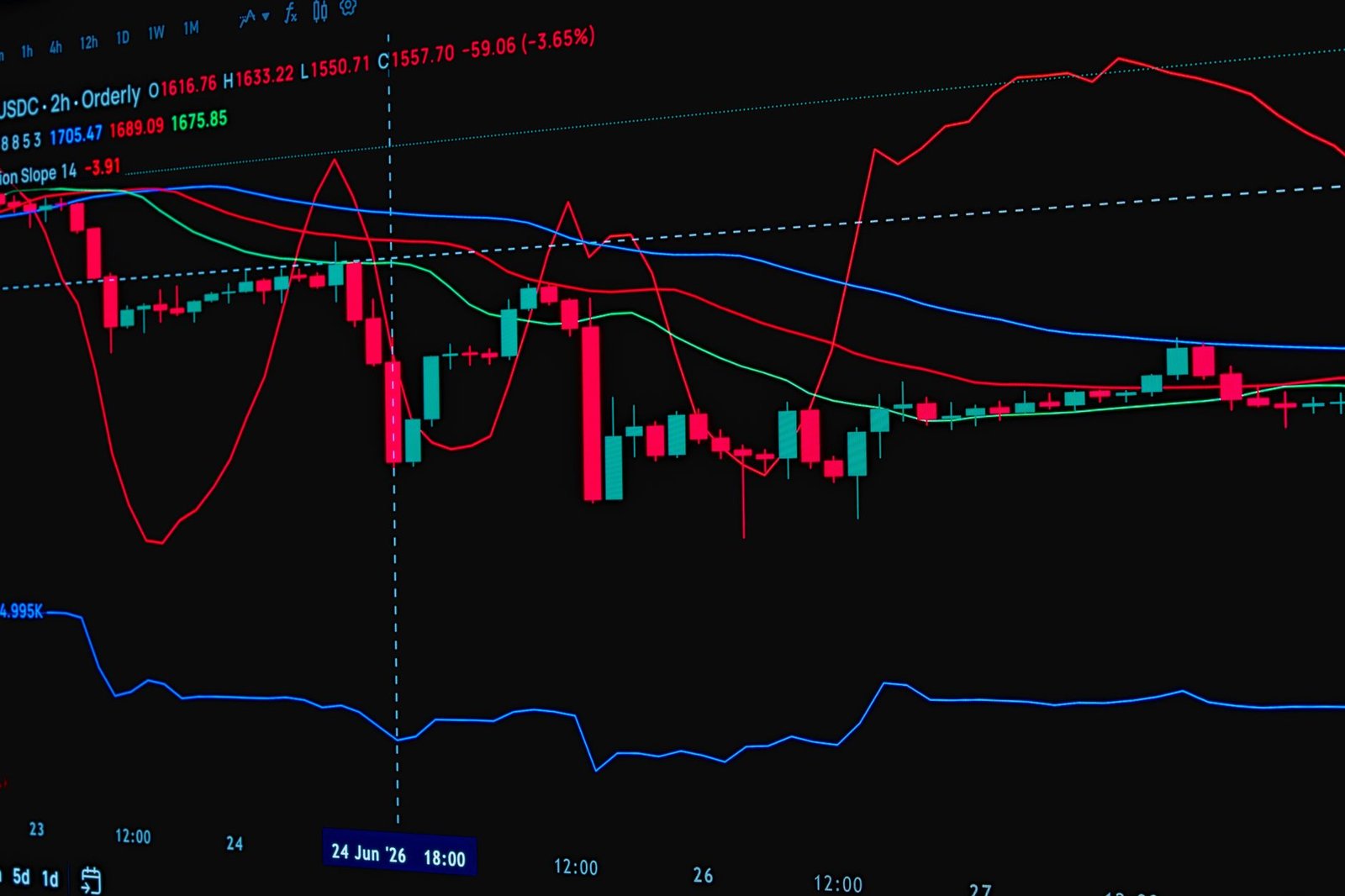
Volume analysis complements other technical indicators by confirming the strength behind price movements. A sharp price increase on high volume suggests strong buying interest and a potentially sustainable uptrend, making it a good candidate for momentum or breakout strategies. Conversely, a price drop on high volume indicates strong selling pressure.
Understanding Support and Resistance
Support levels are price areas where buying interest is strong enough to overcome selling pressure, causing prices to bounce back. Resistance levels are areas where selling pressure overcomes buying interest, causing prices to stall or reverse. Intraday traders often look for trades that take advantage of price reactions at these key levels.
How to implement a successful intraday trading plan?
Implementing a successful intraday trading plan requires a structured approach, encompassing pre-trading preparation, real-time execution, and post-trading analysis to continuously refine strategies and manage risk effectively. This disciplined framework is essential for consistent profitability.
- Define Your Strategy: Choose one or two intraday strategies (e.g., scalping, momentum) that suit your risk tolerance and trading style. Understand the entry and exit criteria for each.
- Select Your Instruments: Focus on a few liquid stocks or index derivatives (like Nifty futures/options or Bank Nifty futures/options) that exhibit predictable intraday movements.
- Set Risk Management Rules: Determine your maximum risk per trade (e.g., 1% of capital) and your overall daily loss limit. Always use stop-loss orders.
- Develop a Trading Schedule: Stick to specific trading hours, typically the opening and closing sessions when volatility is higher. Avoid trading during low-liquidity periods.
- Utilise Technical Tools: Employ chart patterns, indicators (like RSI, MACD, Moving Averages), and pivot points to identify trading opportunities. Consider using a sophisticated TradingView indicator for enhanced analysis.
- Monitor Market News: Stay informed about economic data releases, corporate news, and global events that could impact market volatility and price movements.
- Execute with Discipline: Enter trades strictly according to your plan and exit promptly when your profit targets or stop-loss levels are hit. Avoid emotional decisions.
- Review and Adapt: At the end of each day, review your trades. Analyse what worked, what didn’t, and make necessary adjustments to your strategy or execution.

Frequently Asked Questions
What is the best time for intraday trading in India?
The best times are typically the first 90 minutes after the market opens (9:15 AM to 10:45 AM IST) and the last hour before it closes (2:30 PM to 3:30 PM IST). These periods usually have higher volatility and trading volumes, offering more opportunities.
Which stocks are best for intraday trading?
Stocks with high liquidity and intraday volatility are best. Look for large-cap stocks in Nifty 50 or stocks with significant news or upcoming events. Index futures like Nifty and Bank Nifty are also very popular for intraday trading.
How much capital is needed for intraday trading?
While you can start with a small amount, a capital of ₹25,000 to ₹50,000 is often recommended for meaningful trading after considering margin requirements and allowing for diversification and stop-loss cushioning.
What is a stop-loss in intraday trading?
A stop-loss is an order placed with a broker to buy or sell a security when it reaches a certain price. It’s used to limit an investor’s potential loss on a trade, acting as a crucial risk management tool.
Is scalping a profitable intraday strategy?
Scalping can be very profitable if executed with extreme discipline, speed, and a robust risk management strategy. It requires a trader to make quick decisions and manage many small trades efficiently, often with the aid of specialized tools.
How do I avoid common intraday trading mistakes?
Avoid overtrading, chasing losses, ignoring risk management, trading without a plan, and letting emotions dictate decisions. Stick to your strategy, use stop-losses diligently, and take breaks when needed.
- Mastering intraday trading in the Indian stock market demands a blend of technical acumen, rapid decision-making, and strict discipline.
- Key strategies like scalping, momentum trading, and breakout trading offer distinct approaches to capturing short-term price movements.
- Utilising tools such as pivot points, volume analysis, and identifying support/resistance levels are crucial for pinpointing high-probability setups.
- A well-defined intraday trading plan, complete with risk management rules and a clear trading schedule, is fundamental for consistent success.
- Focusing on liquid stocks or index derivatives and consistently reviewing trade performance are vital for adaptation and improvement.
- Effective risk management, particularly the use of stop-loss orders, is paramount to protecting capital.
Trading in the securities market is subject to market risks. Read all the related documents carefully before investing.






 Finovatives