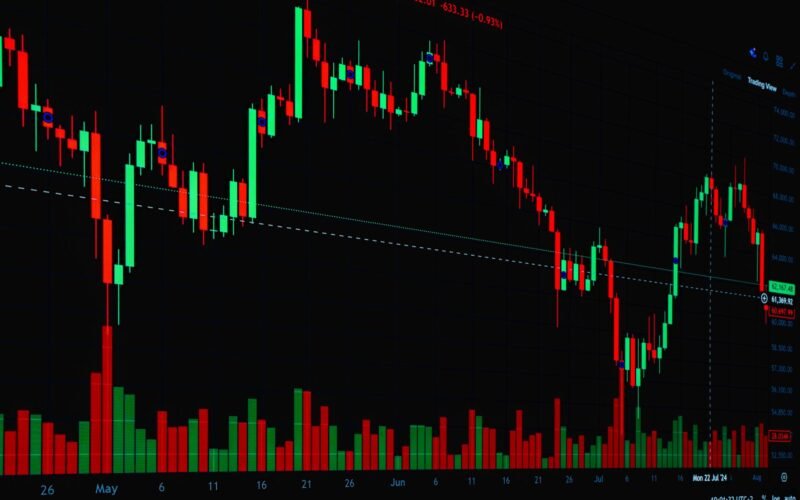



TL;DR: The Indian stock market operates through regulated exchanges like the NSE and BSE, where investors buy and sell shares of companies, driven by supply and demand, overseen by SEBI to ensure fairness and transparency.
Key Stats at a Glance:
- NSE market capitalization: Over ₹300 lakh crore as of early 2024.
- BSE Sensex historical CAGR (approx. 15 years): ~13-14%.
- Number of listed companies on NSE: Over 4,000.
- SEBI’s regulatory framework ensures investor protection and market integrity.
- Average daily turnover on NSE and BSE combined: ₹50,000 crore+ in recent periods.
What is the Indian Stock Market?
The Indian stock market is a financial ecosystem where shares of publicly listed companies are bought and sold, facilitating capital formation for businesses and investment opportunities for individuals.
At its heart, the Indian stock market is a marketplace. Think of it like a giant bazaar, but instead of fruits and vegetables, people trade ownership stakes (shares or stocks) in companies. These trades happen on organized exchanges. In India, the two primary exchanges are the National Stock Exchange (NSE) and the Bombay Stock Exchange (BSE). When you buy a share, you become a part-owner of that company, and its value can go up or down based on the company’s performance, industry trends, and overall economic conditions. The Securities and Exchange Board of India (SEBI) is the regulatory body that oversees these activities to ensure fairness and transparency for all participants.
What are the Key Stock Exchanges in India?
The primary stock exchanges in India are the National Stock Exchange (NSE) and the Bombay Stock Exchange (BSE), which provide the platforms for trading securities.
The NSE, established in 1992, is the world’s largest by trading volume in equity derivatives. It introduced electronic trading to India and is known for its broad market indices like the Nifty 50. The BSE, Asia’s oldest stock exchange, tracing its roots back to 1875, hosts the benchmark S&P BSE Sensex index. Both exchanges list thousands of companies, offering investors a vast array of choices across various sectors. They operate under strict SEBI guidelines, ensuring orderly trading and settlement processes. For traders using advanced tools, understanding how indicators work on these platforms is key.

How do Stock Prices Fluctuate?
Stock prices in India fluctuate primarily due to the forces of supply and demand, influenced by company performance, economic news, and investor sentiment.
When more investors want to buy a particular stock than sell it, the demand outstrips supply, pushing the price up. Conversely, if more investors want to sell than buy, the supply exceeds demand, driving the price down. These fluctuations are influenced by a multitude of factors. Positive news about a company’s earnings, new product launches, or favorable government policies can boost demand and prices. Negative news, such as poor financial results, regulatory issues, or macroeconomic downturns, can trigger selling pressure and price drops. Investor sentiment, which reflects the overall mood of the market, also plays a significant role; optimism can lead to rallies, while pessimism can cause corrections.
Factors Affecting Stock Prices
- Company Performance: Profitability, revenue growth, debt levels, and management quality.
- Industry Trends: Growth or decline within the sector the company operates in.
- Economic Indicators: Inflation, interest rates, GDP growth, and unemployment rates.
- Global Events: Geopolitical tensions, international trade policies, and global economic health.
- Investor Sentiment: Market psychology, news flow, and speculative activity.
How Can Beginners Start Trading in the Indian Stock Market?
Beginners can start trading by opening a Demat and trading account, understanding basic investment principles, and starting with small, well-researched investments.
The journey begins with essential paperwork and a strategic approach. You’ll need to open two crucial accounts: a Demat account to hold your shares electronically and a trading account to execute buy and sell orders. This is typically done through a stockbroker registered with NSE and BSE. Before diving in, educate yourself about different investment types (stocks, mutual funds, ETFs), risk management, and diversification. It’s advisable to start with a small amount of capital that you can afford to lose and focus on well-established companies or index funds. Many platforms offer a free trial period, allowing you to explore their features.
- Educate Yourself: Learn the basics of stock markets, investing, and personal finance.
- Choose a Stockbroker: Select a SEBI-registered broker offering a reliable trading platform.
- Open Demat and Trading Accounts: Complete the KYC process and submit necessary documents.
- Link Bank Account: Connect your bank account to your trading account for seamless fund transfers.
- Fund Your Account: Deposit a small amount of capital you are comfortable investing.
- Research Companies/Investments: Identify potential stocks or mutual funds based on your research and risk tolerance.
- Place Your First Order: Buy or sell shares through your broker’s platform, starting with a small quantity.
- Monitor Your Investments: Regularly review your portfolio performance and stay updated on market news.

What are the Risks Involved in Stock Market Investing?
Stock market investing involves risks, including the potential loss of invested capital due to market volatility, company-specific issues, and economic downturns.
While the stock market offers the potential for significant wealth creation, it is not without its risks. The most fundamental risk is market risk, where the overall market can decline, affecting even fundamentally sound companies. Company-specific risk refers to issues unique to a particular business, such as poor management, product failure, or increased competition, which can cause its stock price to plummet regardless of broader market trends. Liquidity risk is another concern, especially with smaller stocks, where it might be difficult to buy or sell shares quickly without significantly impacting the price. Inflation risk erodes the purchasing power of your returns, and interest rate risk affects bond prices and can influence stock valuations. Understanding and managing these risks through diversification and thorough research is paramount.
Types of Risks
- Market Risk: Broad market downturns affecting all stocks.
- Company-Specific Risk: Issues related to a single company’s operations or management.
- Liquidity Risk: Difficulty in buying or selling a security quickly at a fair price.
- Inflation Risk: Returns not keeping pace with the rising cost of living.
- Interest Rate Risk: Impact of changes in interest rates on asset valuations.
What is the Role of SEBI in the Indian Stock Market?
SEBI (Securities and Exchange Board of India) acts as the primary regulator, safeguarding investor interests and ensuring the orderly functioning and development of the Indian securities market.
Established by the Government of India, SEBI is the watchdog of the stock market. Its primary mandate is to protect investors from fraudulent and unfair trade practices. SEBI sets the rules for how stock exchanges, brokers, merchant bankers, and other market intermediaries operate. It registers and regulates market participants, issues guidelines for public issues (IPOs), and oversees market surveillance to detect manipulation. SEBI also promotes investor education and awareness, aiming to build a more informed investor base. Its continuous efforts to enhance transparency and accountability are vital for maintaining confidence in the Indian stock market.

Frequently Asked Questions
What is a Demat account and why do I need it?
A Demat account electronically holds your shares and other securities, similar to how a bank account holds your money. You need it to buy and sell stocks on Indian exchanges.
What is the Nifty 50 index?
The Nifty 50 is a benchmark index representing the weighted average of 50 of the largest Indian companies listed on the National Stock Exchange (NSE), reflecting the market’s overall trend.
How often can I trade stocks?
You can trade stocks during market hours on any trading day. Indian stock markets are typically open Monday to Friday, excluding public holidays declared by the exchanges.
What is the difference between NSE and BSE?
NSE and BSE are the two main stock exchanges in India. NSE is known for derivatives and electronic trading, while BSE is older and hosts the Sensex index. Both offer extensive listing and trading opportunities.
Can I lose more money than I invest?
In most common trading scenarios like equity delivery, you cannot lose more than your investment. However, in derivatives trading (futures and options), leverage can magnify losses, potentially exceeding your initial margin.
Key Takeaways
- The Indian stock market comprises regulated exchanges like NSE and BSE.
- SEBI is the apex regulator ensuring market integrity and investor protection.
- Stock prices are driven by supply and demand, influenced by numerous economic and company-specific factors.
- Opening a Demat and trading account is the first step for beginners.
- Risk management through diversification and research is crucial for successful investing.
- Continuous learning and staying informed are vital for navigating the market.
Investing in the stock market involves risks. Please read all related documents carefully before investing.





 Finovatives