

TL;DR: Positional trading is a strategy where you hold stocks for weeks to months to capture medium-term trends, blending aspects of swing trading and long-term investing. It requires discipline, a good understanding of technical and fundamental analysis, and robust risk management to maximise profits from significant price movements.
Key Stats at a Glance:
- Nifty 50 average annual returns (historical): ~12-15%
- Typical holding period for positional trades: 3 weeks to 3 months
- Max stop-loss typically set at 5-10% of trade capital
- Over 4,000+ stocks listed on NSE and BSE
- SEBI mandates a minimum 6-month holding for certain tax benefits on long-term capital gains
What is Positional Trading?
Positional trading is a trading strategy that aims to capture price movements over a period of weeks to months. Unlike day traders who exit positions within a single trading day, or long-term investors who hold for years, positional traders seek to profit from medium-term trends in the market. This approach requires traders to have a solid understanding of both technical and fundamental analysis to identify potential trades and manage them effectively.
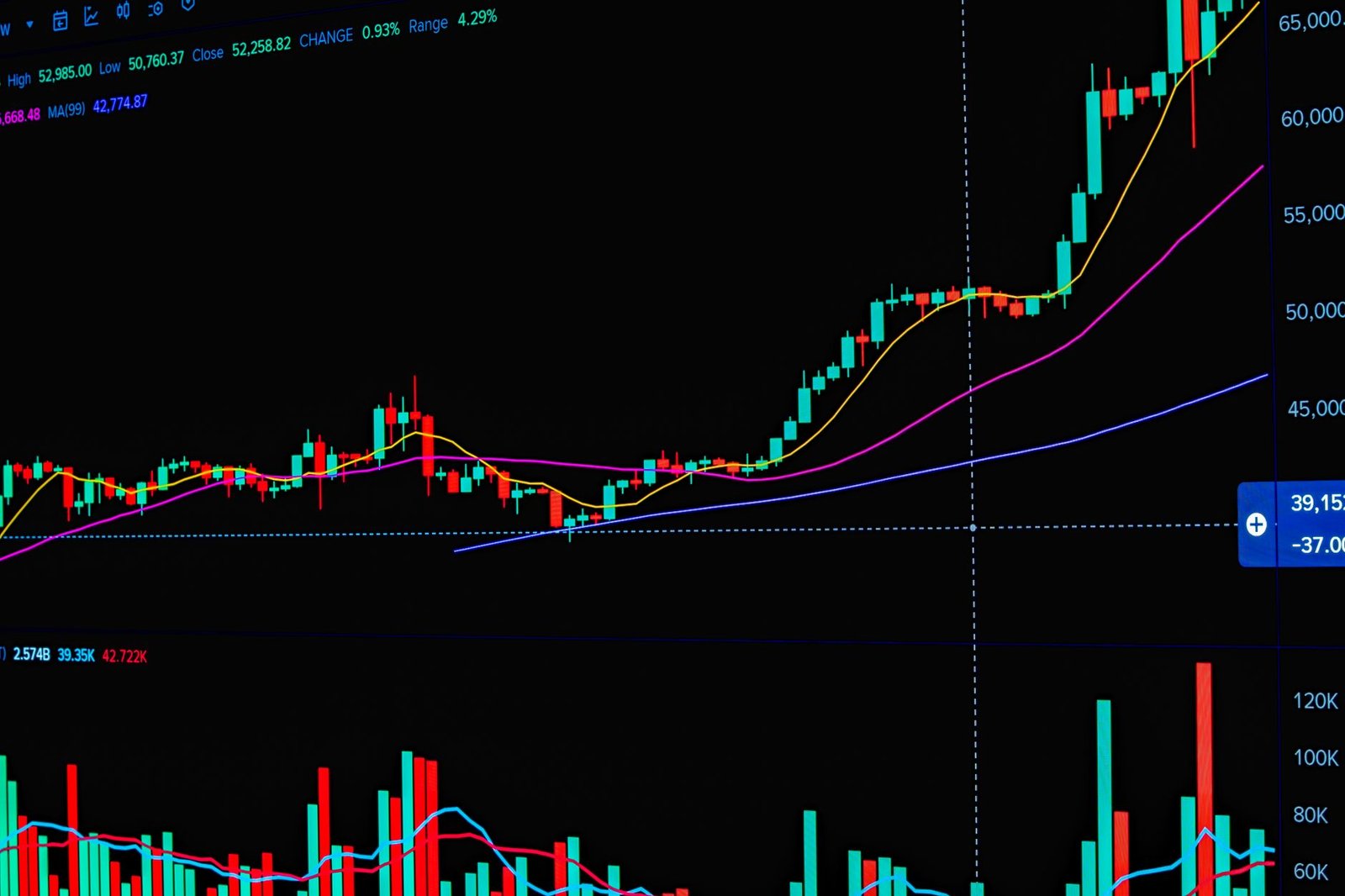
The core idea is to ride a significant price trend without being concerned about short-term volatility or the daily market noise. Positional traders often use a combination of technical indicators, chart patterns, and sometimes fundamental analysis to select stocks and determine entry and exit points. They are less concerned with micro-level price fluctuations and more focused on the bigger picture, allowing for more relaxed management compared to high-frequency trading styles.
How Does Positional Trading Differ from Other Strategies?
Positional trading occupies a unique space between short-term trading and long-term investing. Day trading involves holding positions for minutes to hours, focusing on small, frequent profits. Long-term investing, typically held for years, focuses on wealth creation through compounding and fundamental company growth. Positional trading, with its holding period of weeks to months, aims to capture substantial price swings that occur over a more extended duration than intraday or swing trading, but shorter than buy-and-hold investing.
Positional Trading vs. Swing Trading
Swing trading typically focuses on capturing price swings over a few days to a couple of weeks. Positional trading extends this timeframe, looking for trends that develop over several weeks or even months. While both rely on technical analysis, positional traders might give more weight to longer-term chart patterns and trends, and potentially incorporate fundamental analysis more readily.
Positional Trading vs. Long-Term Investing
Long-term investing is primarily driven by fundamental analysis and the belief in a company’s intrinsic value and growth over many years. Positional trading, while it can incorporate fundamental analysis, is often more technically driven and focuses on capturing momentum or significant trend reversals that may not necessarily align with a company’s long-term prospects. The exit strategy for positional trades is typically based on technical signals or profit targets, rather than a fundamental re-evaluation of the company.
What Are the Key Advantages of Positional Trading?
Positional trading offers several compelling advantages for traders looking to make significant profits without the constant stress of day trading or the very long horizon of traditional investing. It allows for capturing substantial market moves while requiring less active management than shorter-term strategies. The potential for larger profits per trade due to longer holding periods is a significant draw, alongside the benefit of reduced screen time.
Reduced Time Commitment
One of the most attractive aspects of positional trading is that it doesn’t require traders to be glued to their screens all day. Once a trade is set up and entered based on well-defined criteria, it can be monitored periodically. This makes it ideal for individuals who have full-time jobs or other commitments, allowing them to participate in the stock market without it consuming their entire day.
Potential for Larger Profits
By holding positions for weeks or months, positional traders aim to capture significant price movements. A successful positional trade can yield substantial percentage returns on capital deployed, often much larger than what can be achieved through day trading. This is because the strategy is designed to ride major trends, which can develop over extended periods.
Leveraging Market Trends
Positional traders excel at identifying and capitalizing on prevailing market trends. Whether it’s an uptrend in a specific sector or a broader market rally, positional traders position themselves to benefit from these sustained movements. They use technical analysis to spot the start of a trend and then aim to stay in the trade as long as the trend remains intact.

How to Identify Positional Trading Opportunities
Identifying the right stocks and market conditions for positional trading requires a disciplined approach, combining technical chart patterns with an understanding of market sentiment and momentum. The goal is to find assets poised for a sustained move in one direction. This involves scanning the market for stocks exhibiting clear trends, potential breakouts, or significant reversals. Many traders use custom TradingView indicators to help automate this scanning process.
Using Technical Analysis for Entry and Exit
Technical analysis is the cornerstone of positional trading. Traders look for specific chart patterns, such as flags, pennants, or ascending/descending triangles, that suggest a continuation or reversal of a trend. Moving averages (like the 50-day and 200-day MA) are commonly used to identify the prevailing trend direction. Relative Strength Index (RSI) and MACD are popular indicators to gauge momentum and potential overbought/oversold conditions. Entry points are often sought at pullbacks to support levels in an uptrend or bounces to resistance in a downtrend, or on breakout confirmation. Exit strategies are usually triggered by a breach of a key support/resistance level, a trendline break, or a predetermined stop-loss or profit target.
Incorporating Fundamental Analysis
While technicals often dominate, a layer of fundamental analysis can significantly enhance positional trading success. Understanding the underlying business of a company, its financial health, and industry trends can provide conviction for holding a position longer. For instance, a stock showing strong technical buy signals might also have positive news like strong earnings reports, new product launches, or favorable regulatory changes, reinforcing the belief in its upward potential.
Market Sentiment and News Flow
Positional traders also stay attuned to overall market sentiment and significant news events that can drive stock prices. Major economic data releases, geopolitical events, or sector-specific news can create or accelerate trends. A trader might initiate a positional trade based on a strong technical setup, but news that amplifies the trend can provide the confidence to hold the position for a longer duration and aim for larger profits.

How to Implement a Positional Trading Strategy
Implementing a positional trading strategy effectively requires a structured approach, focusing on risk management, trade selection, and disciplined execution. It’s crucial to define your entry and exit rules clearly before entering any trade. Many successful traders utilise specialised tools, like a proprietary Trend Traders Tool, to streamline their analysis and decision-making process.
- Define Your Trading Plan: Clearly outline your objectives, risk tolerance, preferred timeframes, and the types of setups you will trade.
- Stock Selection: Scan the market for stocks exhibiting strong trends, high liquidity, and reasonable volatility. Use technical indicators and chart patterns to identify potential candidates. Consider fundamental factors if desired.
- Entry Point Determination: Wait for a confirmation signal for your entry. This could be a breakout from a pattern, a retest of a moving average, or a specific candlestick formation. Avoid chasing price.
- Set Stop-Loss Orders: This is critical for risk management. Place a stop-loss order immediately after entering a trade to limit potential losses. A common approach is to place it below a recent swing low or support level for long positions.
- Determine Profit Targets: Define realistic profit targets based on previous resistance levels, chart patterns, or risk-reward ratios (e.g., aiming for a 1:2 or 1:3 risk-reward).
- Manage the Trade: Monitor the position periodically. Consider trailing your stop-loss to lock in profits as the trade moves in your favour. Avoid emotional decisions.
- Exit Strategy Execution: Exit the trade when your stop-loss is hit, your profit target is reached, or a clear reversal signal appears on the chart. Stick to your plan.
Risks Associated with Positional Trading
While positional trading offers significant potential rewards, it’s not without its risks. Traders must be aware of these challenges and implement strategies to mitigate them. The primary risks stem from market volatility, the potential for adverse news, and the psychological challenge of holding positions through drawdowns.
Market Volatility and Unexpected Events
The stock market can be highly volatile, and unexpected events – economic downturns, geopolitical crises, or company-specific news – can quickly reverse a trend. A positional trader might be caught off guard by such events, leading to substantial losses if not protected by a stop-loss.
Psychological Challenges
Holding a position for an extended period can be psychologically demanding. Traders may face the temptation to exit prematurely due to fear during minor pullbacks or become overly attached to a winning trade, missing profit-taking opportunities. Discipline and adherence to the trading plan are paramount.
Whipsaws and False Breakouts
Markets can sometimes generate false signals or ‘whipsaws’, where a price moves in a certain direction briefly, triggering entries or stops, only to reverse sharply. Positional traders need robust entry criteria and stop-loss placements to navigate these situations effectively.

Frequently Asked Questions
What is the ideal holding period for a positional trade?
The holding period for positional trades typically ranges from a few weeks to several months. The exact duration depends on the specific market trend, the magnitude of the price move being captured, and the trader’s strategy and exit criteria.
Can positional trading be done with fundamental analysis alone?
While fundamental analysis can provide conviction, positional trading heavily relies on technical analysis to identify entry/exit points and manage risk. A pure fundamental approach would lean more towards long-term investing.
How much capital should be risked per positional trade?
A common guideline is to risk no more than 1-2% of your total trading capital on any single positional trade. This ensures that even a few losing trades do not significantly deplete your account.
What are the best indicators for positional trading?
Popular indicators include moving averages (50-day, 200-day), MACD, RSI, Bollinger Bands, and Volume. Chart patterns like flags, pennants, and trendlines are also crucial tools.
Is positional trading suitable for beginners?
Positional trading can be more manageable for beginners than day trading due to the reduced screen time. However, it still requires discipline, patience, and a solid understanding of market analysis and risk management.
Key Takeaways
- Positional trading aims to capture medium-term trends, holding stocks for weeks to months.
- It offers a balance between the speed of day trading and the long-term perspective of investing.
- Key advantages include reduced time commitment and the potential for larger profits per trade.
- Technical analysis (chart patterns, indicators) is crucial for identifying opportunities and managing risk.
- Fundamental analysis and market sentiment can provide additional conviction for trades.
- A strict risk management plan, including stop-loss orders, is essential to protect capital.
- Discipline and patience are vital to overcome psychological challenges and adhere to the trading plan.
Trading in securities is subject to market risks. Please read all related documents carefully before investing. This content is for educational purposes only and not a recommendation to buy or sell any security.





 Finovatives