

TL;DR: Top intraday trading strategies for the Indian stock market include scalping for small, frequent profits, momentum trading to catch strong trends, and breakout trading to capitalise on price level breaches. Success hinges on risk management, technical analysis, and disciplined execution.
Key Stats at a Glance:
- Nifty 50 average daily volume: Over 15 crore shares (FY23)
- BSE Sensex 30-day volatility: Typically ranges between 1-2%
- Average number of trades executed on NSE daily: Exceeds 5 crore
- Retail investor participation in Indian equity market: Over 40% of trading turnover
- SEBI mandate for intraday exposure limits: Up to 5x leverage for eligible stocks
What are the best intraday trading strategies?
The best intraday trading strategies for the Indian stock market are those that align with a trader’s risk tolerance, capital, and market understanding, with scalping, momentum trading, and breakout trading being highly favoured for their potential to generate quick returns.
Scalping
Scalping involves making numerous trades throughout the day to capture small profits from minor price changes. Scalpers aim to accumulate these small gains into a significant profit by the end of the trading session. This strategy requires intense focus, quick decision-making, and tight stop-losses. It is best suited for highly liquid stocks with tight bid-ask spreads. For instance, a trader might buy a stock at ₹100.50 and aim to sell it at ₹100.75, repeating this process multiple times with different stocks.
Momentum Trading
Momentum trading focuses on identifying stocks that are experiencing strong upward or downward price movements and riding that trend for a short period. Traders identify stocks with high trading volume and significant price changes, entering a position in the direction of the momentum. The exit strategy is typically based on signs of the momentum slowing down or reversing. This strategy relies heavily on technical indicators like the Relative Strength Index (RSI) and Moving Averages to confirm trend strength.
Breakout Trading
Breakout trading capitalises on a stock price moving beyond a defined support or resistance level. Traders identify consolidation patterns (like triangles or ranges) and wait for the price to decisively break out of this pattern. A buy order is placed above a resistance level for an expected upward move, or a sell order below a support level for an expected downward move. Confirmation of the breakout, often with increased volume, is crucial to avoid false signals.
How does technical analysis aid intraday trading?
Technical analysis is fundamental to intraday trading as it uses historical price data and volume to forecast future price movements, enabling traders to identify entry and exit points, manage risk, and gauge market sentiment.
Chart Patterns
Recognising chart patterns like Head and Shoulders, Double Tops/Bottoms, Flags, and Pennants helps intraday traders anticipate potential price reversals or continuations. For example, a bullish flag pattern might signal a short-term pause before an upward trend continues, offering a prime entry opportunity.
Candlestick Formations
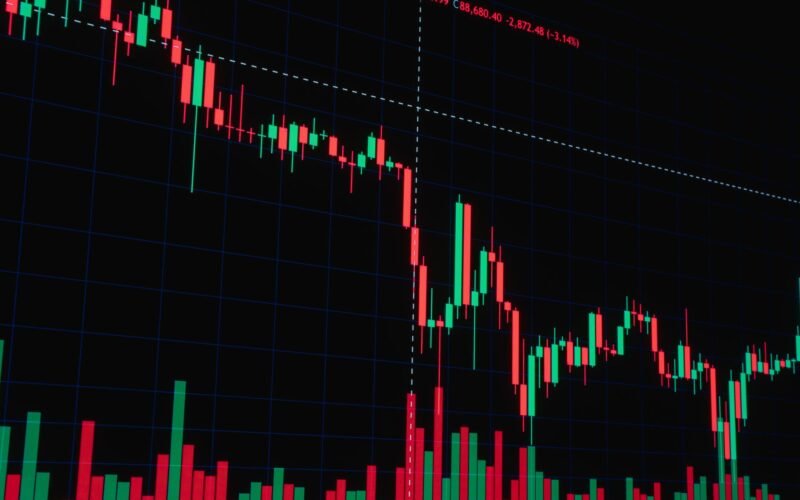
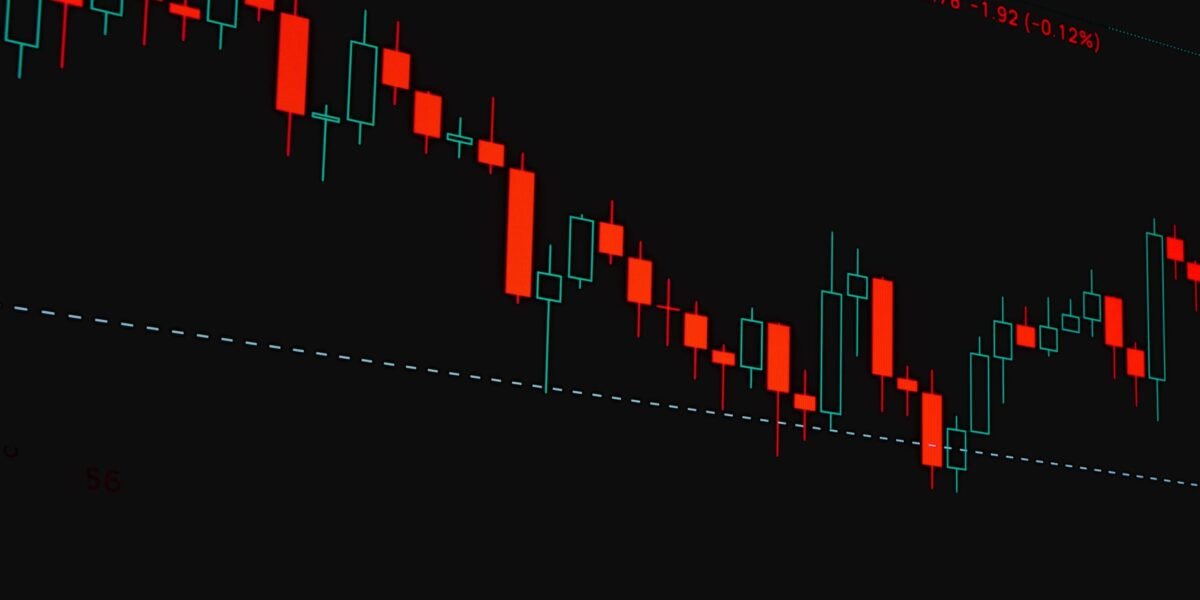
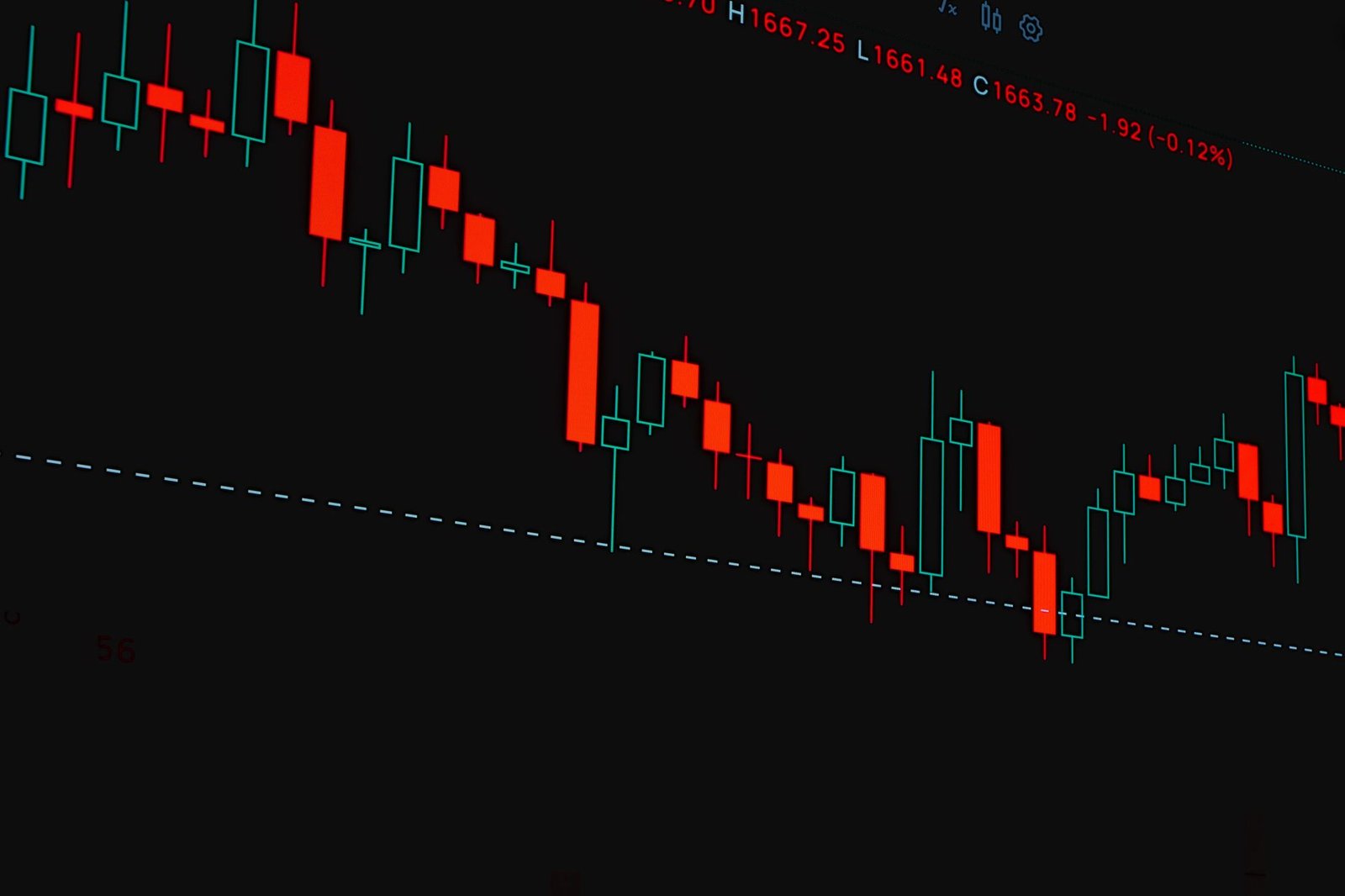
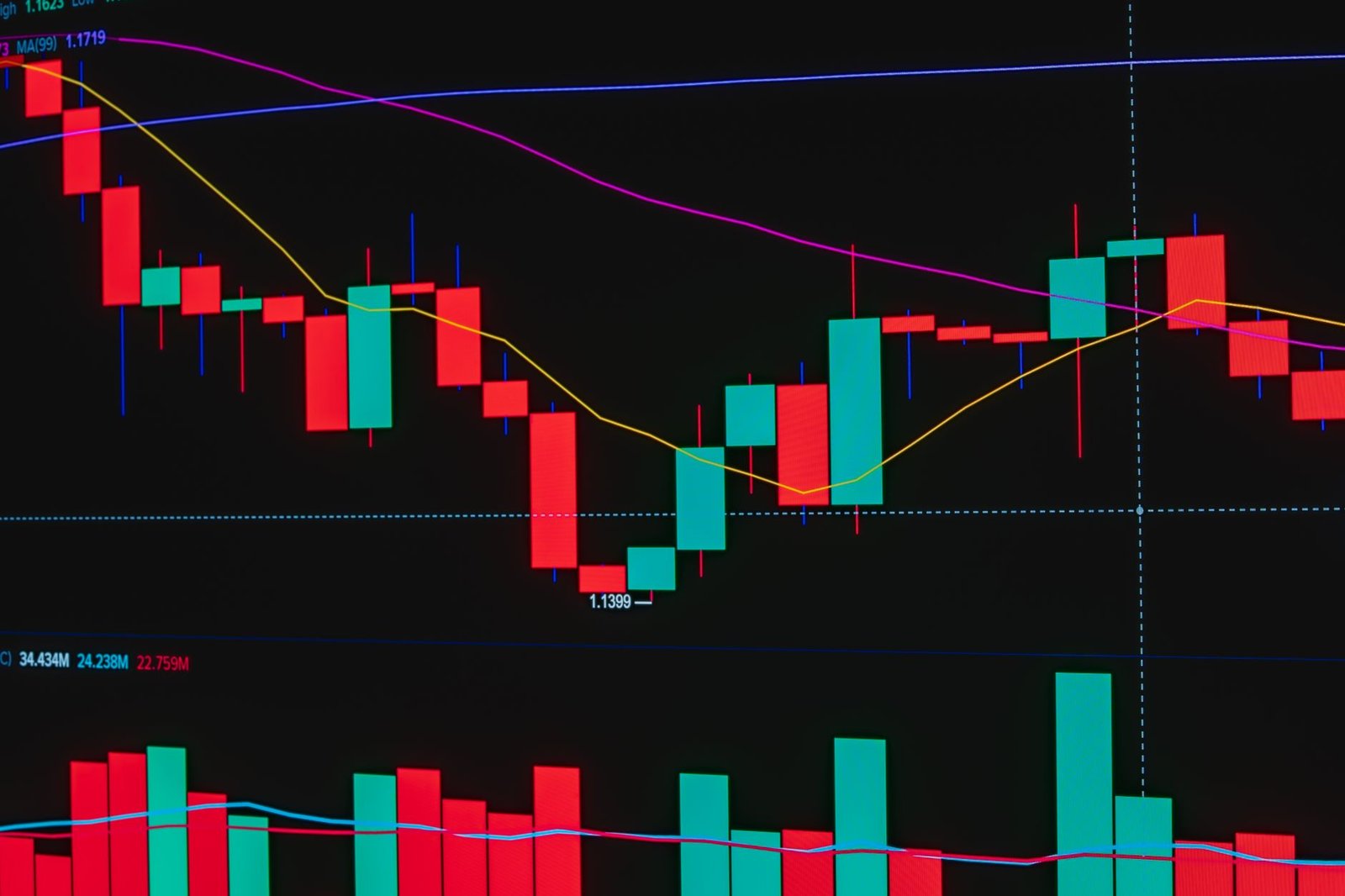
Specific candlestick patterns, such as Doji, Hammer, Engulfing patterns, and Morning/Evening Stars, provide immediate visual cues about market sentiment and potential turning points. A bullish engulfing pattern, where a large green candle completely engulfs the previous red candle, suggests a strong buying interest emerging.
Technical Indicators
Tools like Moving Averages (MA), MACD (Moving Average Convergence Divergence), RSI (Relative Strength Index), and Bollinger Bands help confirm trends, identify overbought/oversold conditions, and signal potential entry or exit points. For example, a crossover of the 50-day MA above the 200-day MA is a common bullish signal, while an RSI above 70 might indicate an overbought condition.
What risk management techniques are essential for intraday traders?
Essential risk management techniques for intraday traders include setting strict stop-loss orders, defining position sizing based on risk tolerance, diversifying across a limited number of trades, and never risking more than a small percentage of capital on any single trade.
Stop-Loss Orders
A stop-loss order is an instruction to a broker to sell a security when it reaches a certain price, limiting potential losses. For intraday trading, setting a tight stop-loss, typically 0.5% to 1% of the trade value, is crucial to protect capital from sudden market swings.
Position Sizing
Determining the appropriate number of shares to trade based on your stop-loss and risk tolerance is vital. A common rule is the ‘1% rule’, where a trader risks no more than 1% of their total trading capital on a single trade. For example, if you have ₹1,00,000 capital and risk 1%, your maximum loss per trade should be ₹1,000.
Profit Targets
While stop-losses limit downside risk, setting realistic profit targets helps lock in gains. A common approach is to aim for a Risk-Reward Ratio (RRR) of at least 1:2 or 1:3, meaning your potential profit is at least twice or thrice your potential loss.
How to implement a successful intraday trading plan?
Implementing a successful intraday trading plan involves defining objectives, selecting appropriate strategies, conducting pre-market analysis, executing trades with discipline, and performing post-trade review.
- Define Trading Goals: Clearly outline your financial objectives, risk tolerance, and the amount of capital you are willing to allocate for intraday trading.
- Choose Your Strategy: Select one or two intraday strategies (e.g., scalping, momentum) that best suit your personality, available time, and market conditions.
- Pre-Market Analysis: Review market news, economic data releases, and prepare a watchlist of potential stocks based on technical criteria and overnight developments. Check the Finovatives.com platform for real-time data.
- Execute Trades with Discipline: Stick to your chosen strategy, enter trades only when all criteria are met, and strictly adhere to your stop-loss and profit-target levels.
- Manage Risk Continuously: Monitor open positions, adjust stop-losses if necessary (e.g., trailing stops), and ensure overall daily risk exposure remains within limits.
- Post-Trade Analysis: At the end of the day, review your trades – what worked, what didn’t, and why. Identify patterns in your trading behaviour to improve future performance.
- Continuous Learning: Stay updated with market trends, refine your strategies, and consider using tools like a TradingView indicator to enhance your analysis.
What are the common pitfalls to avoid in intraday trading?
Common pitfalls in intraday trading include emotional decision-making, over-trading, ignoring risk management, insufficient research, and chasing unrealistic profits, all of which can quickly erode capital.
Emotional Trading
Allowing fear, greed, or revenge to dictate trading decisions is a primary cause of losses. Sticking rigidly to a pre-defined trading plan helps mitigate this.
Over-Trading
Excessive trading, often driven by boredom or a desire to make up for small losses, leads to increased transaction costs and a higher probability of poor decisions. Focus on quality over quantity.
Ignoring Risk Management
Failing to use stop-losses or taking on excessively large positions can lead to catastrophic losses. Risk management is non-negotiable.
Insufficient Research
Trading without understanding the underlying fundamentals or technical setup of a stock, or without a clear strategy, is akin to gambling.

What are the best stocks for intraday trading in India?
The best stocks for intraday trading in India are typically large-cap, highly liquid stocks with significant daily trading volumes and inherent volatility, often found within the Nifty 50 or BSE Sensex indices, such as Reliance Industries, HDFC Bank, ICICI Bank, Infosys, and State Bank of India.
Liquidity and Volume
Stocks with high liquidity ensure that you can enter and exit positions quickly at desired prices without significant slippage. High daily trading volume indicates strong interest and makes it easier to find trading opportunities.
Volatility
Intraday traders thrive on price movement. Stocks that exhibit moderate to high volatility within the trading session offer more opportunities to profit from price swings.
Sectoral Leaders
Stocks that are leaders in their respective sectors often exhibit clear trends and are influenced by broader sectoral news, making them easier to analyse and trade.
Technical Setups
Stocks that frequently form clear technical patterns and provide reliable signals from technical indicators are generally preferred by intraday traders. Observing the Trend Traders Tool can provide valuable insights here.
Frequently Asked Questions
What is the minimum capital required for intraday trading in India?
While SEBI regulations mandate a minimum deposit of ₹30,000 for margin trading, for active intraday trading, a capital of ₹50,000 to ₹1,00,000 is often recommended to effectively manage risk and position sizing.
How many trades can be done in a day for intraday trading?
There is no limit to the number of trades you can execute intraday, but over-trading should be avoided. Focus on executing high-probability trades rather than a high volume of trades.
Can I make a living trading intraday in India?
Yes, it is possible to make a living trading intraday in India, but it requires significant skill, discipline, consistent profitability, and robust risk management. Most aspiring traders face challenges initially.
What is the best time for intraday trading in India?
The best time for intraday trading in India is generally between 9:15 AM and 11:30 AM, and again from 1:30 PM to 3:30 PM, when market volatility is typically higher due to opening/closing activities and international market influences.
Which technical indicators are most useful for intraday trading?
Popular and useful indicators include Moving Averages, RSI, MACD, Bollinger Bands, and Stochastic Oscillator, often used in combination to confirm signals and identify trading opportunities.
What is the difference between intraday trading and swing trading?
Intraday trading involves closing all positions before the market closes on the same day, aiming for quick profits. Swing trading holds positions for a few days to weeks, capturing larger price movements.
Key Takeaways:
- Scalping, momentum, and breakout trading are popular intraday strategies in India.
- Technical analysis, including chart patterns and indicators, is crucial for identifying trading opportunities.
- Strict risk management, including stop-losses and proper position sizing, is paramount for capital preservation.
- A well-defined trading plan and disciplined execution are essential for success.
- Avoid common pitfalls like emotional trading and over-trading.
- Focus on liquid, volatile stocks, often within major indices like Nifty 50.
- Continuous learning and post-trade analysis are vital for improvement.
Trading in the securities market is subject to market risks. Read all the related documents carefully before investing.


 Finovatives